A Hong Kong beach visit in autumn or winter starts with a choice: a walk beside the sea, or a swim. Then check the exact beach, month and time against the lifeguard schedule. A beach staffed in November 2026 may have no service in January 2027. Even when lifeguards are present, a red flag means stay out of the water. This guide covers preparation for November 2026 to March 2027; it is not a live sea-condition or opening notice.
Use this season’s roster, not the presence of a lifeguard tower
LCSD’s winter arrangements announced on 23 October 2026 divide the season into November, December–February and March. All beaches listed below have planned lifeguard hours of 08:00–17:00 daily during the relevant period. Temporary suspensions, closures and instructions at the beach still need a separate check.
| Planned visit | Beaches listed for lifeguard service |
|---|---|
| 1–30 November 2026 | Deep Water Bay, Stanley Main, Repulse Bay, Middle Bay, Big Wave Bay, Clear Water Bay Second, Silverstrand, Silver Mine Bay, Golden, Lido and Casam |
| 1 December 2026–28 February 2027 | Deep Water Bay, Clear Water Bay Second, Silverstrand, Golden, Lido and Casam |
| 1–31 March 2027 | Deep Water Bay, Stanley Main, Repulse Bay, South Bay, Big Wave Bay, Silverstrand, Hap Mun Bay, Clear Water Bay Second, Cheung Chau Tung Wan, Silver Mine Bay, Golden, Kadoorie, Lido, Casam, Anglers’ and Tai Po Lung Mei |
Middle Bay and South Bay are different beaches; Clear Water Bay First is not Clear Water Bay Second. Check the full name rather than searching only for a district. A 07:00 swim or an arrival at 17:00 falls outside the hours above, even at a listed beach. LCSD advises swimming only at beaches and times with lifeguards on duty, and avoiding swimming alone.
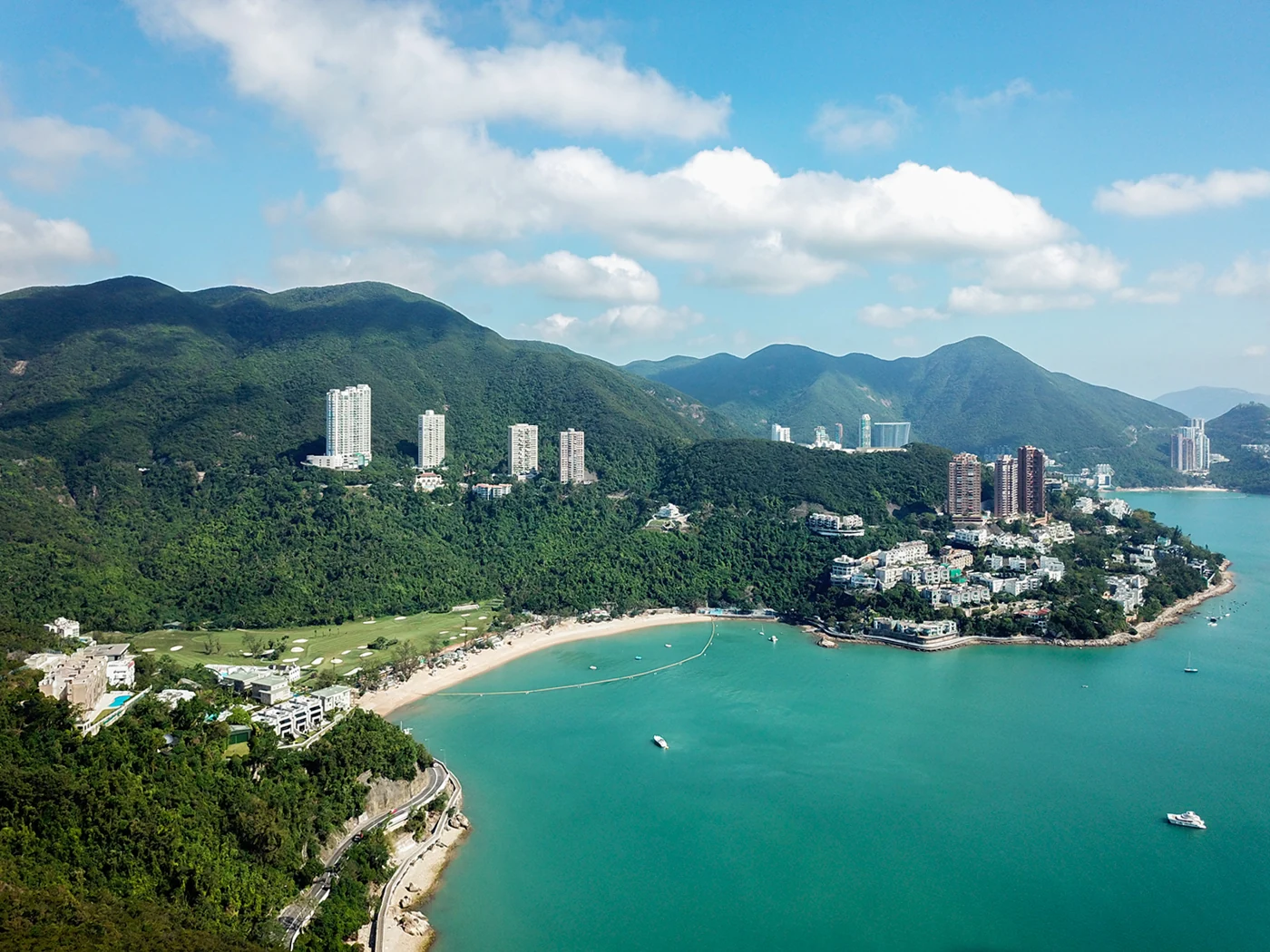
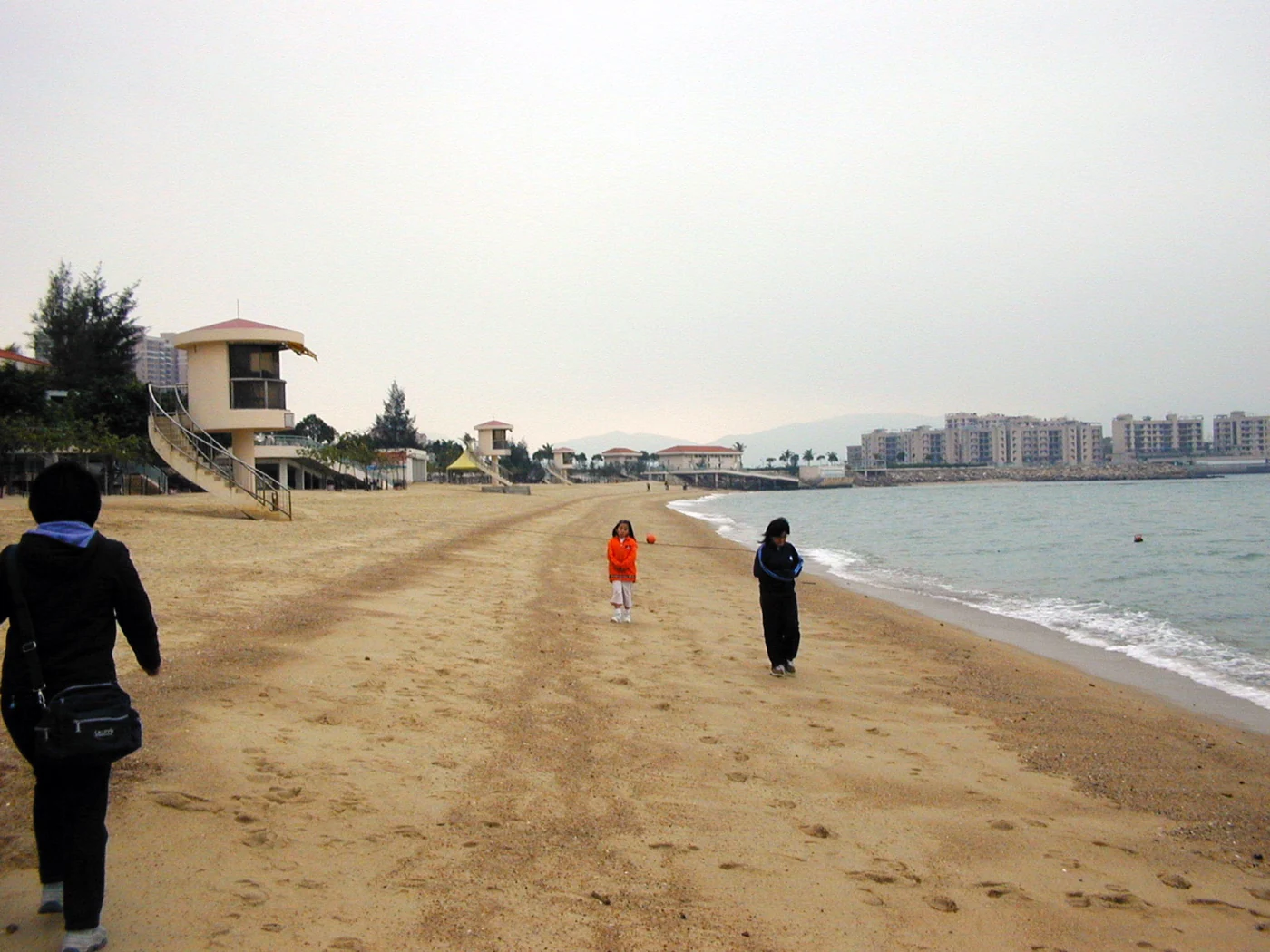
The dated 2026/27 announcement is more specific than a standing monthly-hours table that may remain online. If lists differ, compare their year and publication date and contact the beach. Towers, floats and sunshine in a photograph identify a place; they cannot establish whether a lifeguard is working there today.
Check before leaving, then look at the flags when you arrive
Save the full beach name, your intended arrival time and official information page before setting off. Look for temporary LCSD announcements. At the beach, check entrance notices, flags and staff instructions again. A long trip from town is no reason to skip an unresolved check.
LCSD’s warning-signal guide explains the beach warnings. Do not enter the water when a red flag is raised. The presence of a lifeguard does not turn it into permission for a cautious swim. Other people already in the sea, apparently calm water, or a plan to wade only a short distance are not substitutes for the warning.
For a family outing, agree in advance that an unresolved check means staying out. Adults still need to supervise children; lifeguards do not take over that responsibility. If a swimming area is temporarily closed, follow barriers and notices and leave the affected area.
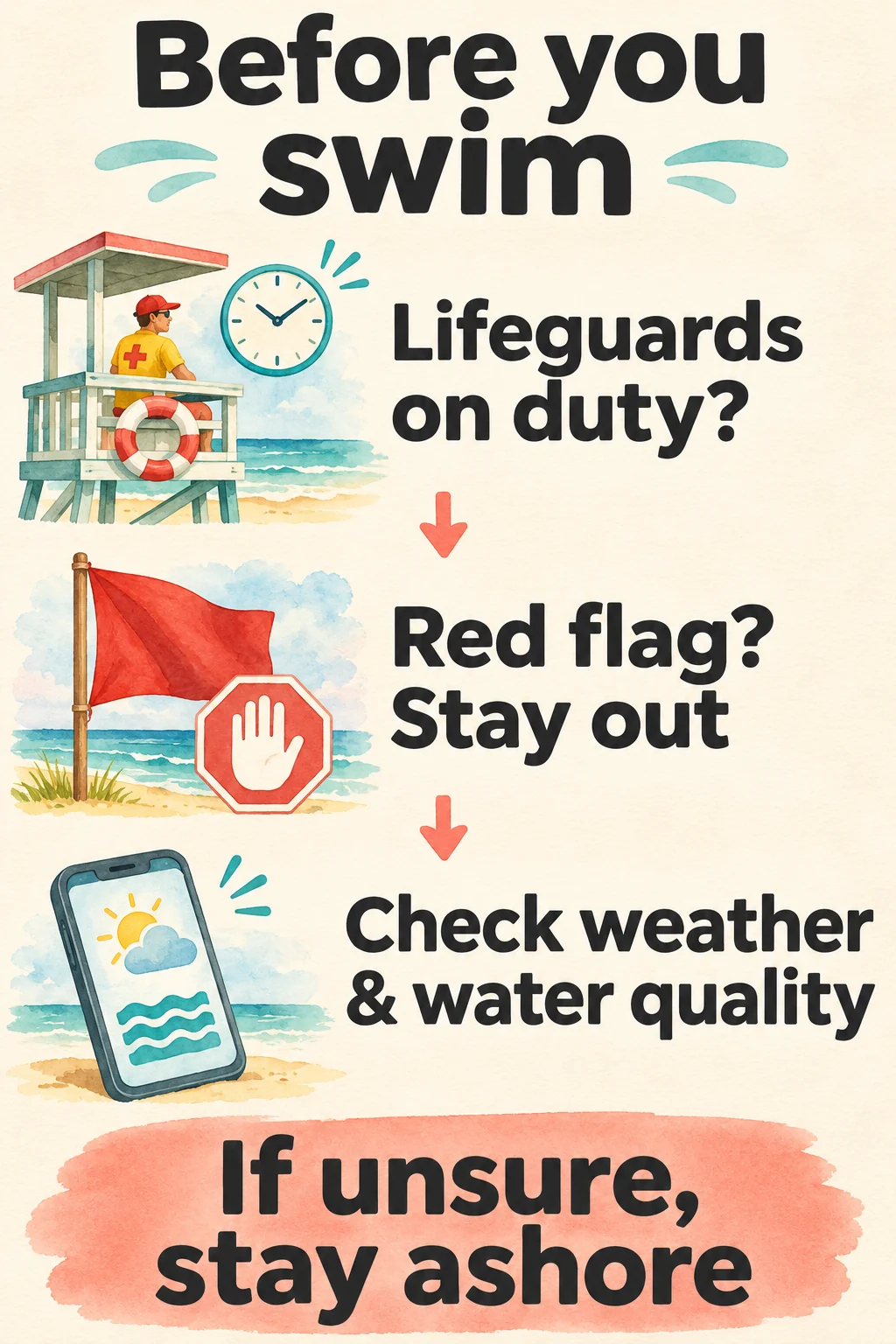
Read the water-quality grade and today’s forecast separately
The Environmental Protection Department’s beach-water FAQ distinguishes recent measured conditions, reflected in beach grades, from a forecast of short-term changes using environmental and hydrometeorological information. They answer different questions and may not agree. Do not select only the more reassuring number.
The system normally publishes the day’s forecast by 09:00. Check its date: yesterday’s screenshot, or a number in an old travel guide, is not today’s result. At forecast index 4, Very Poor, EPD advises considering avoiding swimming at the beach; LCSD generally raises a red flag and issues an announcement accordingly. A red flag at the beach must still be obeyed.
Heavy rain can wash pollution from land into the sea. The end of the rain does not automatically establish that water quality has recovered. Nor does the forecast cover every wave, current or sudden pollution incident. Read the official water-quality service, weather warnings and on-site instructions together instead of assigning a beach a permanent “safe” score.
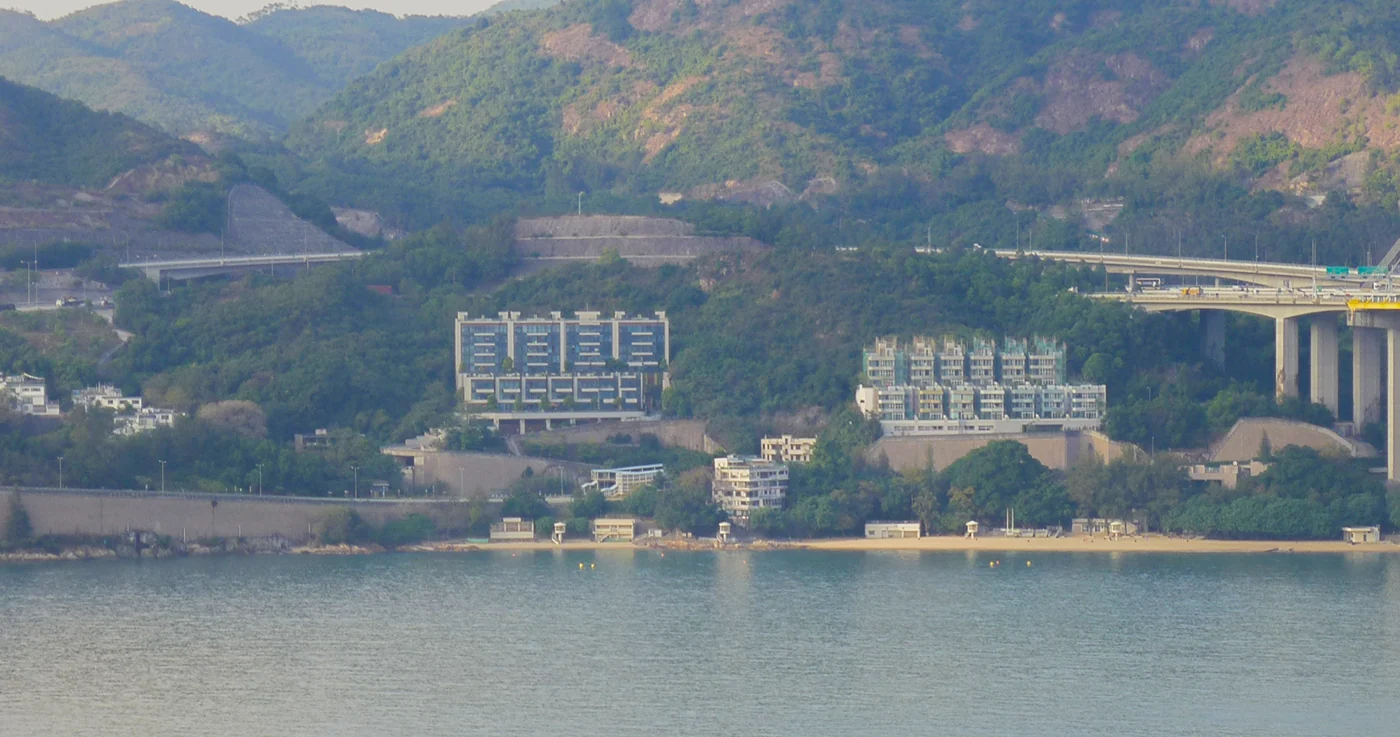
Swimming boundaries do not override weather warnings
LCSD’s safety advice says to swim within the red boom line, keep away from shark-prevention nets, avoid swimming alone and stay out at dawn, dusk and night. The net is not a swimming target or a structure to cling to.
Thunderstorm arrangements at public beaches are different from an ordinary overcast afternoon. Follow announcements, warnings and instructions promptly. Do not move onto rocks, the edge of a seawall or closer to breaking waves for a photograph.
In adverse weather, the alternative is to leave the coast and choose a safe indoor place. Deciding not to swim does not make sitting on a beach in strong winds and rough seas appropriate. For wider itinerary changes, see our Hong Kong and Macau typhoon and rainstorm guide.
In calm conditions, plan a shore-only visit deliberately
If the weather is settled and the site is normally open, but lifeguard service has not begun or has ended, make the visit a walk and rest on dry ground, well away from the water’s edge. Do not let it turn into an improvised wade or swim. Change plans if there are closure notices or other danger warnings.
Repulse Bay in November and Repulse Bay in January, for example, have different planned lifeguard arrangements. Decide whether this outing really needs a swim before choosing the location and arrival time, rather than carrying a summer swimming plan into winter. This is a planning suggestion, not an assessment of a particular stretch of water.

HK01’s 2024 report recorded the addition of winter lifeguard service at Lido and Casam. It is a useful reminder not to repeat an old blanket claim that every beach loses its lifeguards in winter. The roster here follows the specific 2026/27 announcement; the report’s older pontoon-maintenance and facility details are not evidence of present conditions.
Pack for the whole afternoon, not only for a swim
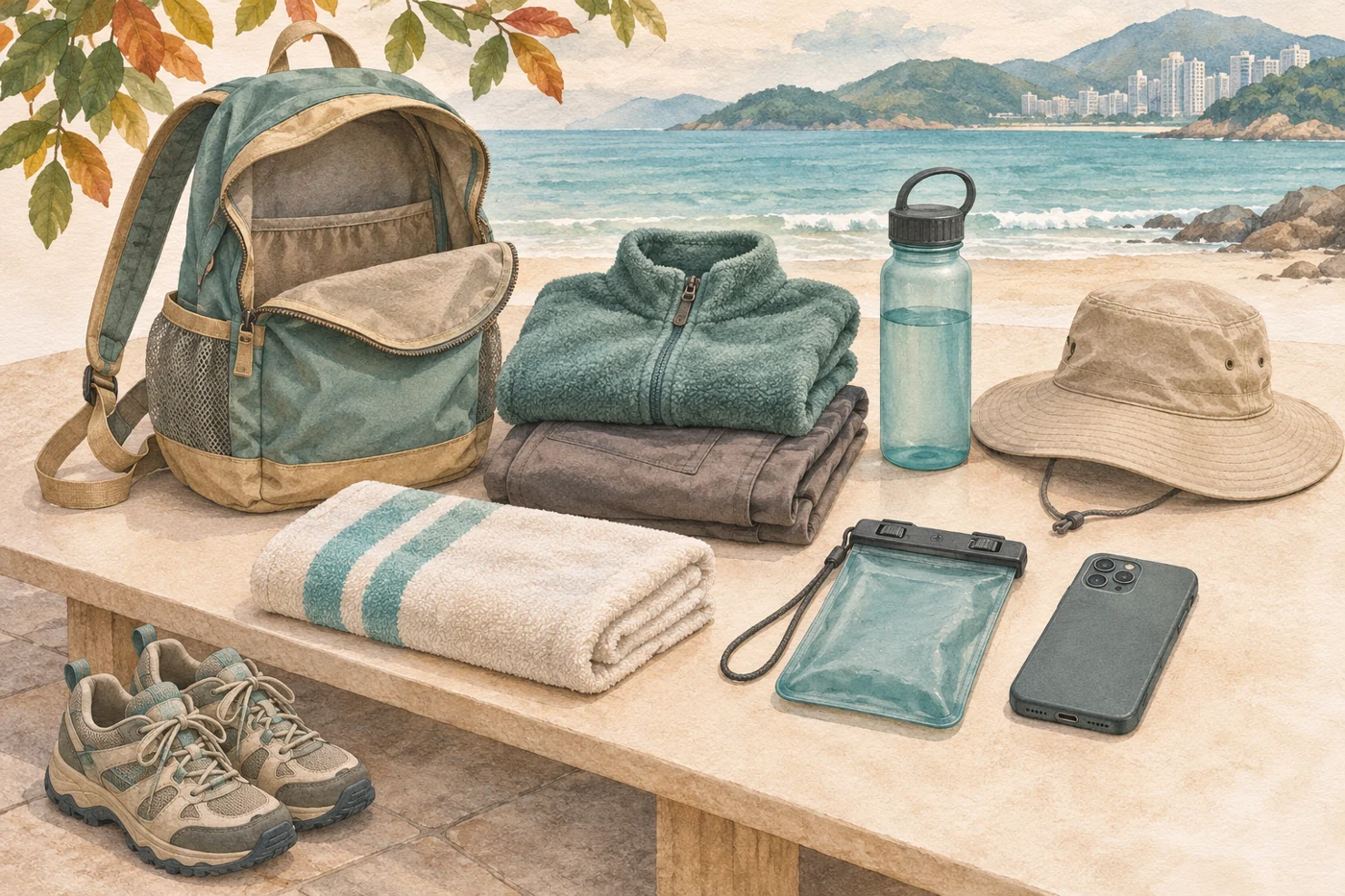
Bring dry layers appropriate to the weather, a towel, drinking water, sun protection and suitable walking shoes. Protect your phone and essential contact details from water and keep enough battery for the return journey and calls. Dry clothes need to be accessible, rather than all left in a car far from the beach. Consider your own swimming ability and health, and seek medical advice beforehand when needed.
Check your return bus, ferry or other transport before leaving. Allow time to leave the water, change and walk to the stop or pier; do not keep swimming until just before lifeguard service ends or the last departure. Children and companions who are not swimming also need time for food and rest. An open beach does not mean that every facility is available at every hour. Use LCSD’s beach directory to identify the location and contact details, then confirm any equipment or facilities you specifically need.
Your pre-journey checklist
- Check the exact beach, month and planned 08:00–17:00 lifeguard hours; do not confuse similarly named beaches.
- Read today’s announcements, red flags, closure notices and weather information. A red flag means no entry to the water.
- Read the measured water-quality grade and daily forecast separately, with their dates, rather than using old screenshots.
- Swim only while lifeguards are on duty, within the designated area, and never alone.
- Choose dry-ground activities in settled weather when not swimming; leave the coast for a safe indoor alternative in adverse weather.
Sources & further reading
This article draws on the media coverage and public information below. Event and transport arrangements can change; check the latest details before travelling.
- Hong Kong Government: beach lifeguard arrangements, November 2026–March 2027info.gov.hk (Opens in a new tab)
- LCSD: warning signals at beacheslcsd.gov.hk (Opens in a new tab)
- EPD: water-quality grades and forecasts explainedcd.epic.epd.gov.hk (Opens in a new tab)
- EPD: beach water-quality data servicecd.epic.epd.gov.hk (Opens in a new tab)
- LCSD: swimming boundaries and safety advicelcsd.gov.hk (Opens in a new tab)
- LCSD: public beaches under thunderstorm warningslcsd.gov.hk (Opens in a new tab)
- LCSD: Southern District beach directory and contactslcsd.gov.hk (Opens in a new tab)
- HK01: winter lifeguards at Lido and Casam (2024 background report)hk01.com (Opens in a new tab)
Make it your journey
Decide whether today’s outing includes swimming before arranging the beach stop and return journey. A transfer covers the road journey; beach access, lifeguard service and conditions still need checking before departure and on arrival.