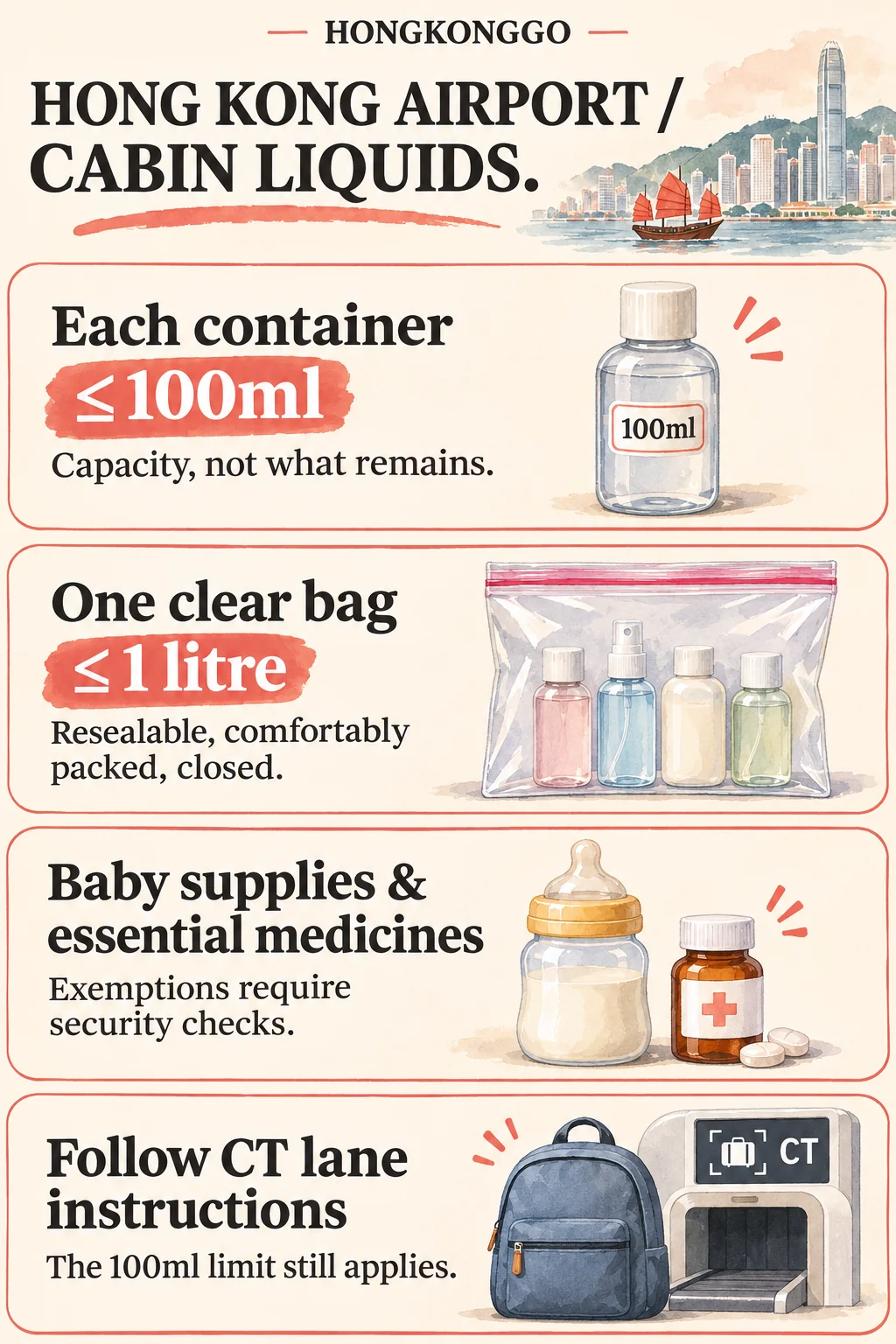
For a departure from Hong Kong airport, ordinary cabin liquids still belong in containers no larger than 100ml, inside one transparent resealable bag of no more than one litre per passenger. A nearly empty large bottle remains a large container. Instructions allowing liquids to stay inside your bag at a CT screening lane do not remove the volume restrictions. Sort everything before handing over your checked suitcase.
Check more than your drinks
Toothpaste, cream, sunscreen, hair gel, aerosols, sauces and high-liquid-content food can fall within liquids, aerosols and gels, usually abbreviated to LAGs. Civil Aviation Department FAQ 73 also includes liquid–solid mixtures and items with a similar consistency at room temperature. Calling something food, or buying it frozen, does not establish that it can travel as an ordinary solid in your cabin bag.
HK01 reported travelers encountering screening problems with desserts. Those experiences concerned departure from Japan and do not establish Hong Kong's rules. The useful shopping question is whether the product's consistency and container are suitable for your flight. For a Hong Kong departure, check CAD, the airport and your operating airline rather than relying on the shop's description of an item as a souvenir or cosmetic.
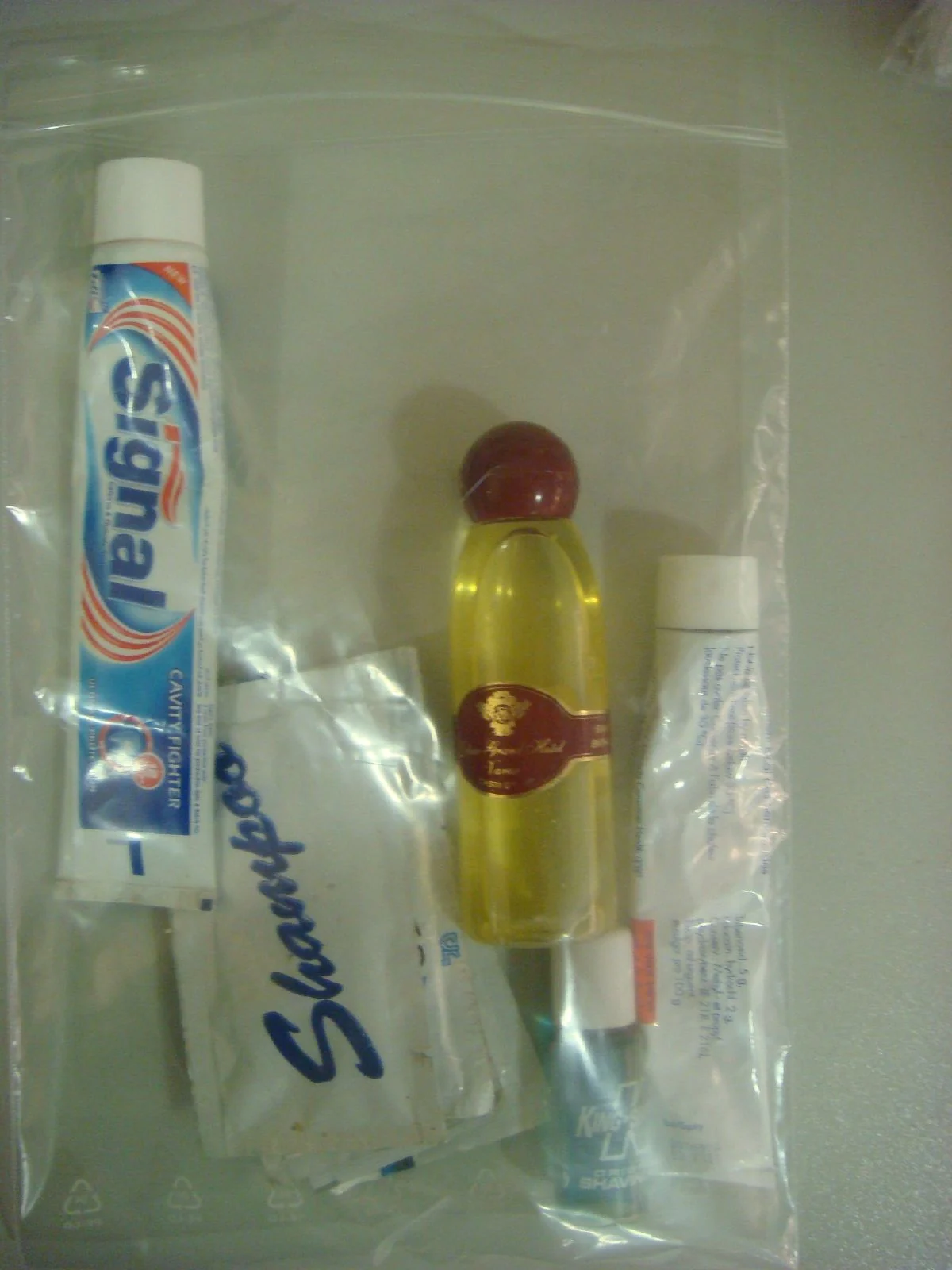
The 100ml limit concerns the container; one litre concerns the bag
The CAD packing guidance expressly rejects ordinary liquids in containers larger than 100ml even when partly filled. A 200ml shampoo bottle holding only 50ml is still too large. Emptying half of it does not solve the problem. Transfer the small amount you need into a suitable container no larger than 100ml, or place an item permitted in checked baggage into your suitcase before check-in.
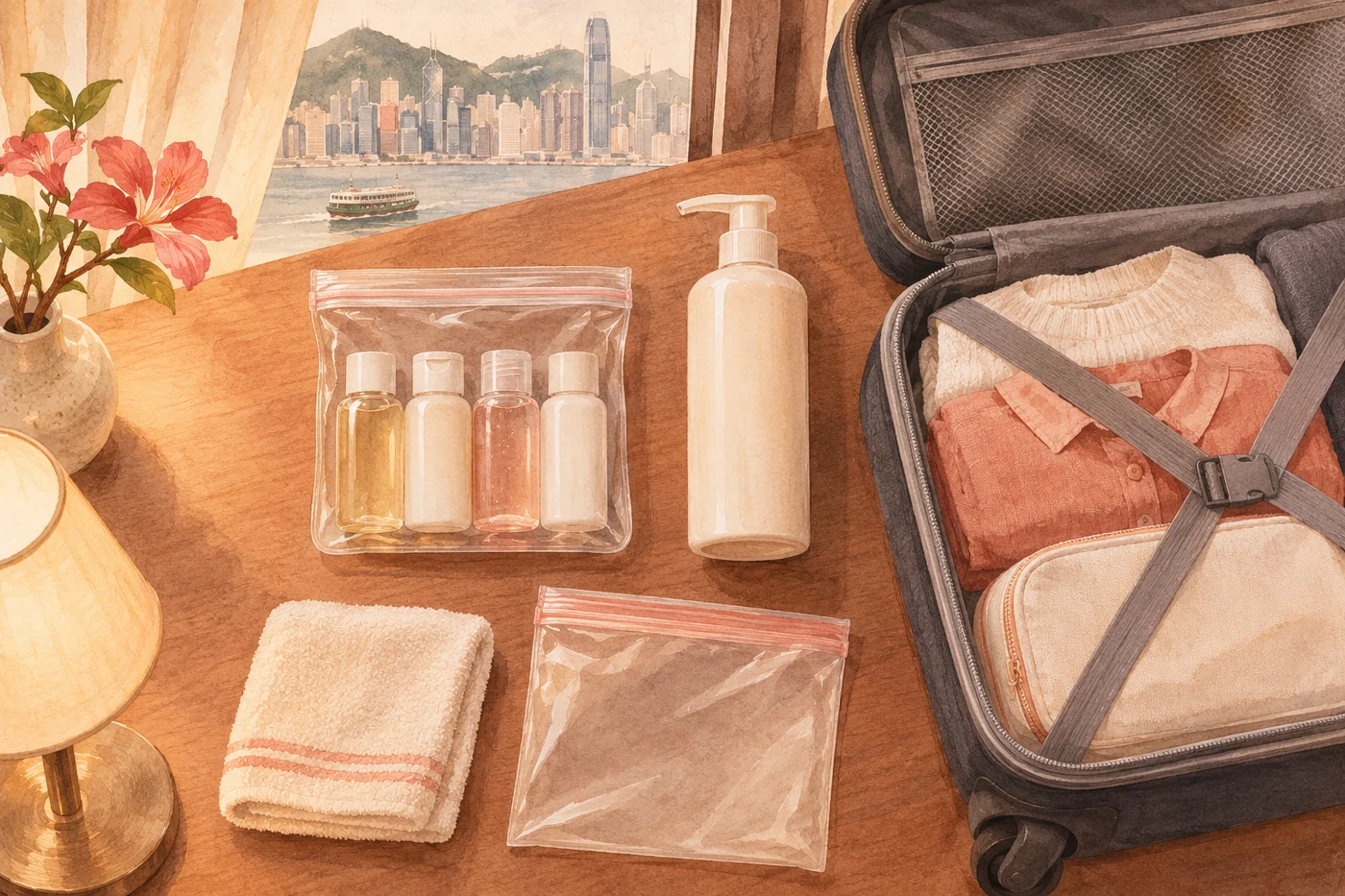
The individual containers do not have to be transparent or the original packaging. The outer bag must be transparent, resealable and no larger than one litre. Everything must fit comfortably and the bag must close completely. CAD does not set five bottles as a fixed allowance or require one universal shape; 20cm by 20cm is a common example. One litre is not a promise that ten bulky 100ml containers will fit acceptably. CAD FAQs 77–82
| Before packing | Ordinary cabin-liquids assessment |
|---|---|
| A 200ml bottle with a little shampoo left | The container is still over the limit; repack it. |
| Several containers of 100ml or less | They must also fit comfortably in the single compliant bag, fully closed. |
| Two bags, each no larger than one litre | The ordinary allowance is one bag per passenger, not two. |
| A completely empty water bottle | CAD permits empty containers irrespective of capacity; empty it before screening. |
| A clear bag that will not zip shut | It does not meet the comfortable-fit and complete-closure requirements. |
You can plan to refill an empty bottle after screening where suitable facilities are available. Our Hong Kong drinking-water and refill guide explains how to identify water sources. Arriving at the tray with a full large bottle and only then asking about the restriction is avoidable.
Checked baggage is an option, not a blanket exemption
The 100ml-container and one-litre-bag rules described here apply to cabin-baggage security, not directly to checked bags. However, larger items must still satisfy dangerous-goods, airline and destination requirements. Flammable liquids and some aerosols have separate restrictions; “liquids can be checked” is not permission to pack every chemical. CAD FAQs 75, 76 and 83 and the airport security guide distinguish these controls.
With a cabin-baggage-only ticket, decide before departure whether to buy suitable small packs, reduce liquid souvenirs or purchase a checked-baggage allowance from the airline. Once the suitcase has been handed over, you may not be able to retrieve it immediately to add something. The airport says non-compliant liquids must be disposed of before screening; do not make a last-minute exception your plan.
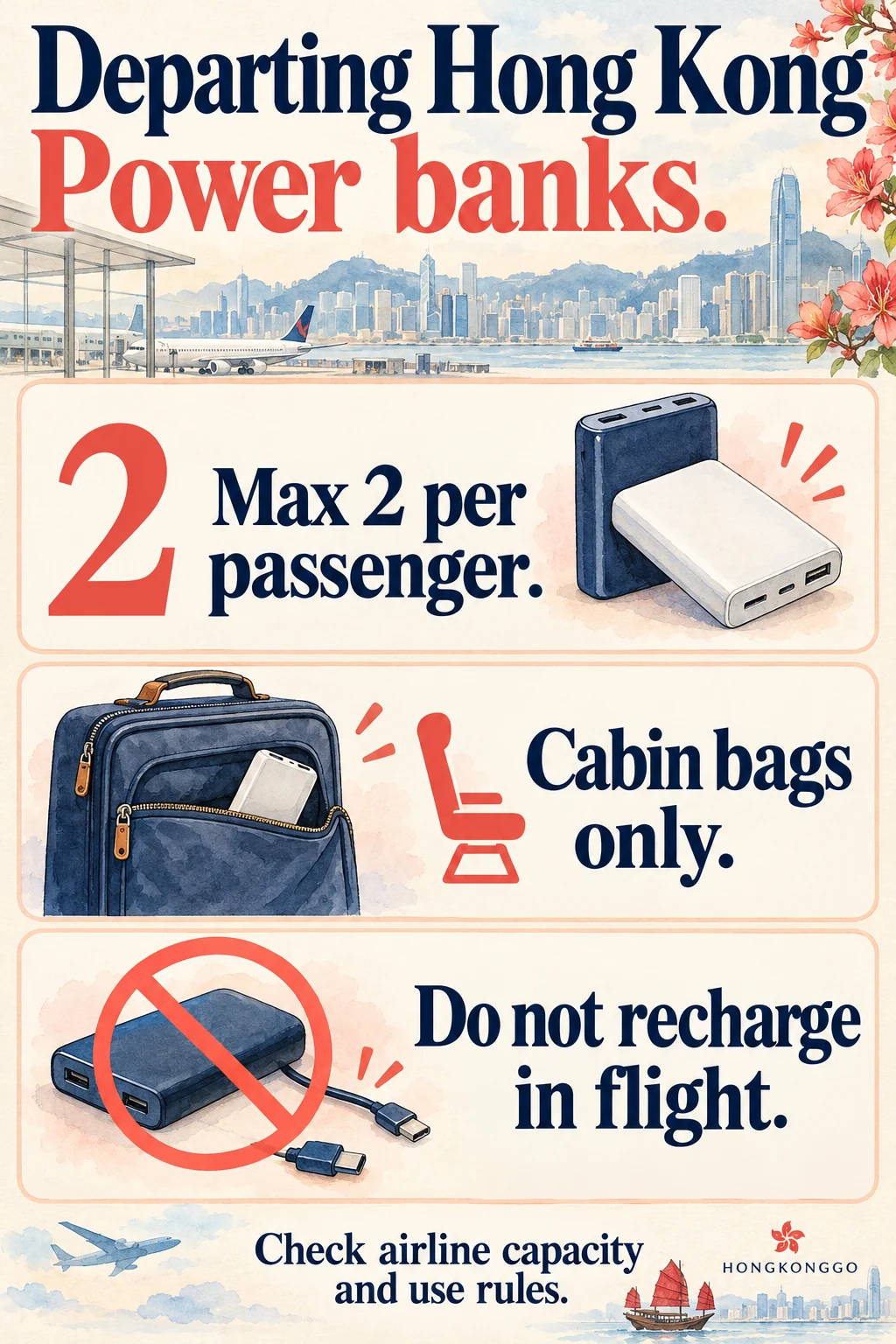
Batteries follow different rules. Moving a large toiletry bottle into checked baggage is not a reason to put a power bank beside it. See the separate flight power-bank packing guide.
Baby supplies, expressed breast milk and liquid medicines
CAD provides exceptions subject to verification, with different conditions for different items. Separate supplies needed during the flight from your holiday stock and allow time for checks. The existence of an exception does not make every liquid needed throughout a long holiday automatically acceptable in cabin baggage.
| Situation | CAD's stated handling |
|---|---|
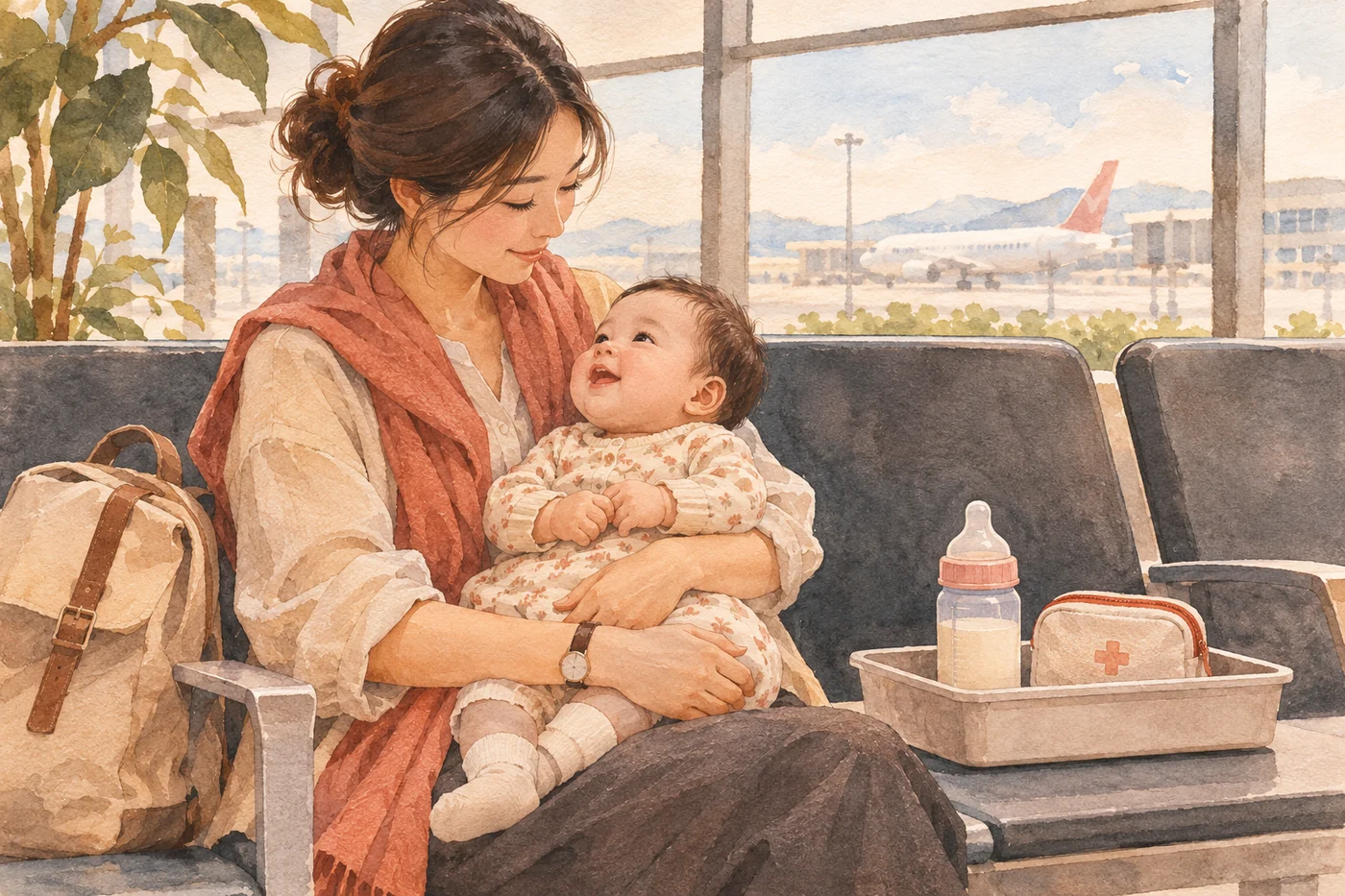
| Baby milk, juice, sterilised water and baby food in liquid or gel form | Take enough for the flight. Present containers over 100ml separately for inspection; the accompanying baby should be present at screening. |
| Expressed breast milk carried by a breastfeeding mother traveling without her baby | It remains exempt from the 100ml requirement and must be presented separately. Do not apply the accompanying-baby condition from the previous row. |
| Liquid medicines, including relevant over-the-counter medicines or contact-lens solution | A medication exception can apply. Present containers over 100ml separately. Staff may ask for verification such as a doctor's letter, prescription or the passenger's name on the medicine label. |
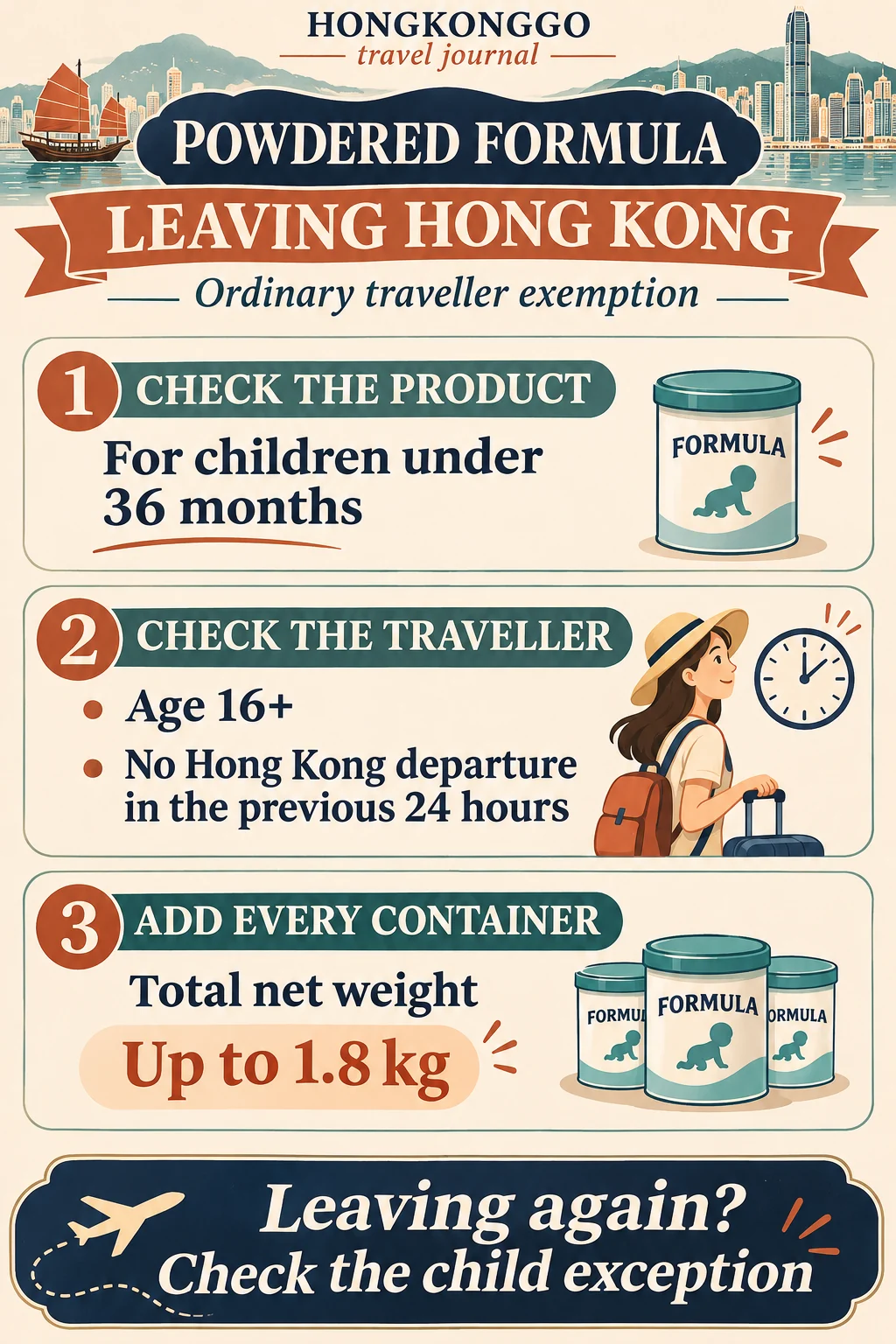
| Powdered infant formula itself | It is not classified as a LAG. Powder, quantity, export and destination-import rules still need separate checks. |
These distinctions come from CAD FAQs 85–88. This guidance does not make a doctor's letter universally compulsory for every medicine and passenger. Prepare evidence that may be requested rather than decanting everything into unidentifiable containers. Special dietary requirements are also subject to verification; confirm arrangements for your particular needs with the airline.
A security exception is not a customs permission. For formula leaving Hong Kong, check the separate powdered-formula departure rules.
For personal-use conditions when bringing medicine into Hong Kong, read the visitor's medicine-entry guide. An exception to the security volume limit does not authorise unrestricted import of controlled medicines.
CT lanes may let liquids stay in the bag; the limits remain
At the verification date, HKIA's current page says its upgraded CT smart screening channels allow liquids and electronic devices to remain in hand baggage. The same page retains the 100ml-container, one-litre-bag and one-bag-per-passenger requirements. Keeping items inside is a screening procedure, not cancellation of the volume limit. Current HKIA security guidance
You may also encounter general CAD or airline packing instructions telling you to present the clear bag separately. Follow the instructions for your actual lane and any request for additional inspection. Keep the liquid bag easy to reach so either process is straightforward. Another passenger leaving items inside their bag does not mean staff cannot ask to inspect yours separately.
Duty-free liquids and connections: a sealed bag is not a universal pass
Liquids bought beyond Hong Kong airport's security checkpoint can be taken on the departing flight under the applicable rules. If you connect again, check the next airport and airline before buying. Do not apply another airport's relaxed standards automatically to Hong Kong. Cathay's current liquid guidance, for example, distinguishes certain Italian-airport departures directly to Hong Kong from connections through Hong Kong, where the 100ml standard still applies.
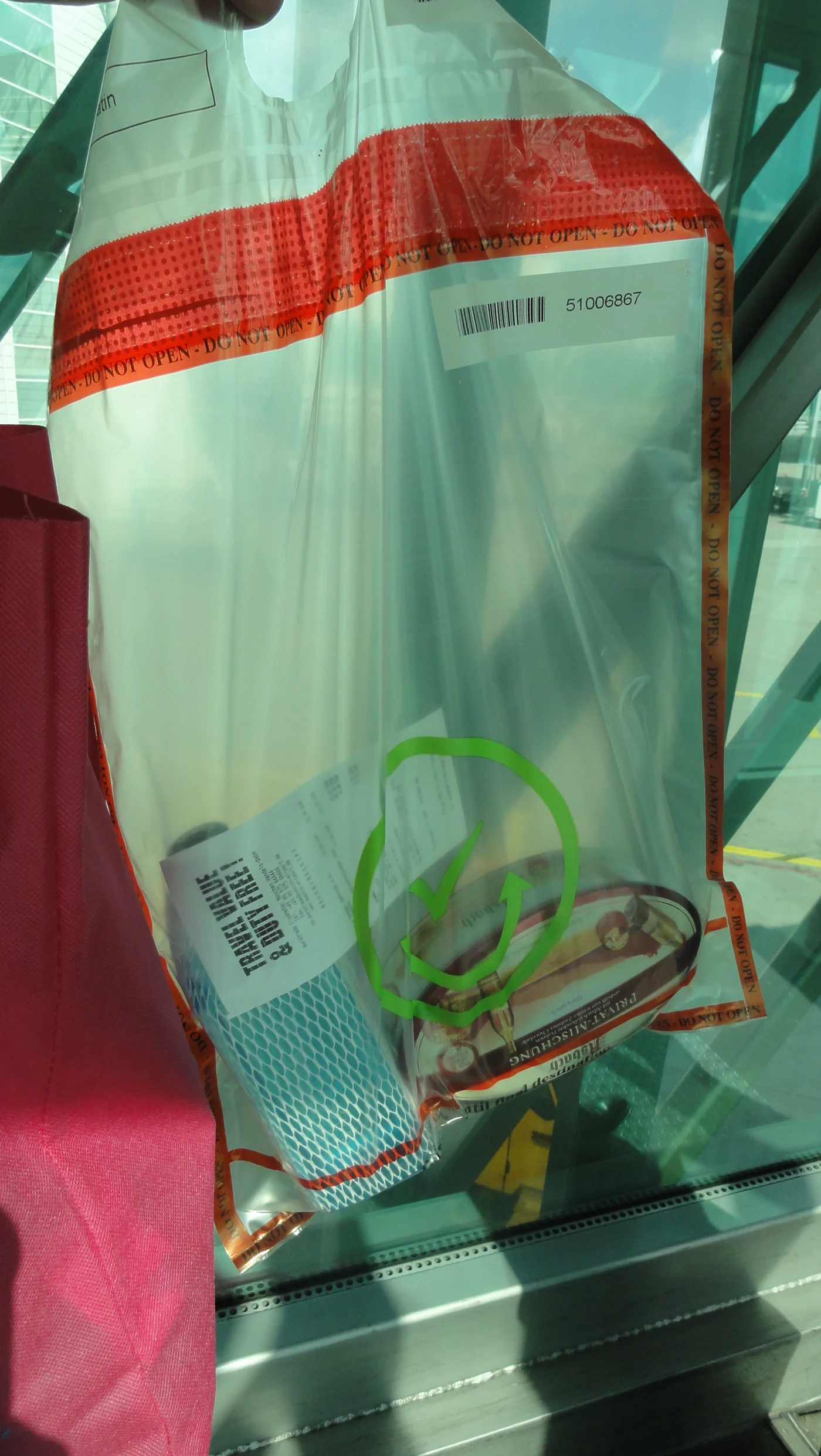
For purchases over 100ml made at another airport or on an aircraft, CAD sets conditions concerning the purchase location or aircraft, a sealed tamper-evident bag and satisfactory proof of purchase on the journey day or days. Acceptance at Hong Kong transfer security depends on satisfactory checks. An ordinary shopping bag, a resealable toiletries bag or a receipt on its own is not an equivalent arrangement. CAD FAQs 89–90
HKIA also says transfer passengers carrying liquids in tamper-evident bags undergo enhanced screening. Staff may need to open a bag; cleared items are then repacked in a new tamper-evident bag supplied by the airport. Keep the original seal and receipt, allow extra time and follow staff directions rather than opening it yourself to “help”. Your next connection may still have different restrictions, so confirm the whole route before buying a large perfume bottle. HKIA transfer-security arrangements
Your pre-journey checklist
- Include toothpaste, creams and foods with liquid, not just drinks.
- Check container capacity and whether one clear bag of no more than one litre closes fully.
- Sort large bottles before handing over checked baggage; check dangerous goods and customs separately.
- Prepare baby food, expressed breast milk when the baby is not travelling and medicines under their specific verification conditions.
- Follow your CT lane's instructions and confirm duty-free and onward-airport restrictions before connecting.
Sources & further reading
This article draws on the media coverage and public information below. Event and transport arrangements can change; check the latest details before travelling.
- Hong Kong CAD: packing liquids, gels and aerosolscad.gov.hk (Opens in a new tab)
- Hong Kong CAD: liquids screening FAQs 73–90cad.gov.hk (Opens in a new tab)
- Hong Kong International Airport: security and transfer-liquid screeninghongkongairport.com (Opens in a new tab)
- Cathay Pacific: liquids, aerosols and gelscathaypacific.com (Opens in a new tab)
- HK01: a 104ml dessert screening news reporthk01.com (Opens in a new tab)
Make it your journey
For a departure transfer, provide your flight, pickup location and luggage count on the HONGKONGGO quotation page. Allow separately for packing, bag drop and security; reaching the terminal is not the same as completing the pre-flight formalities.