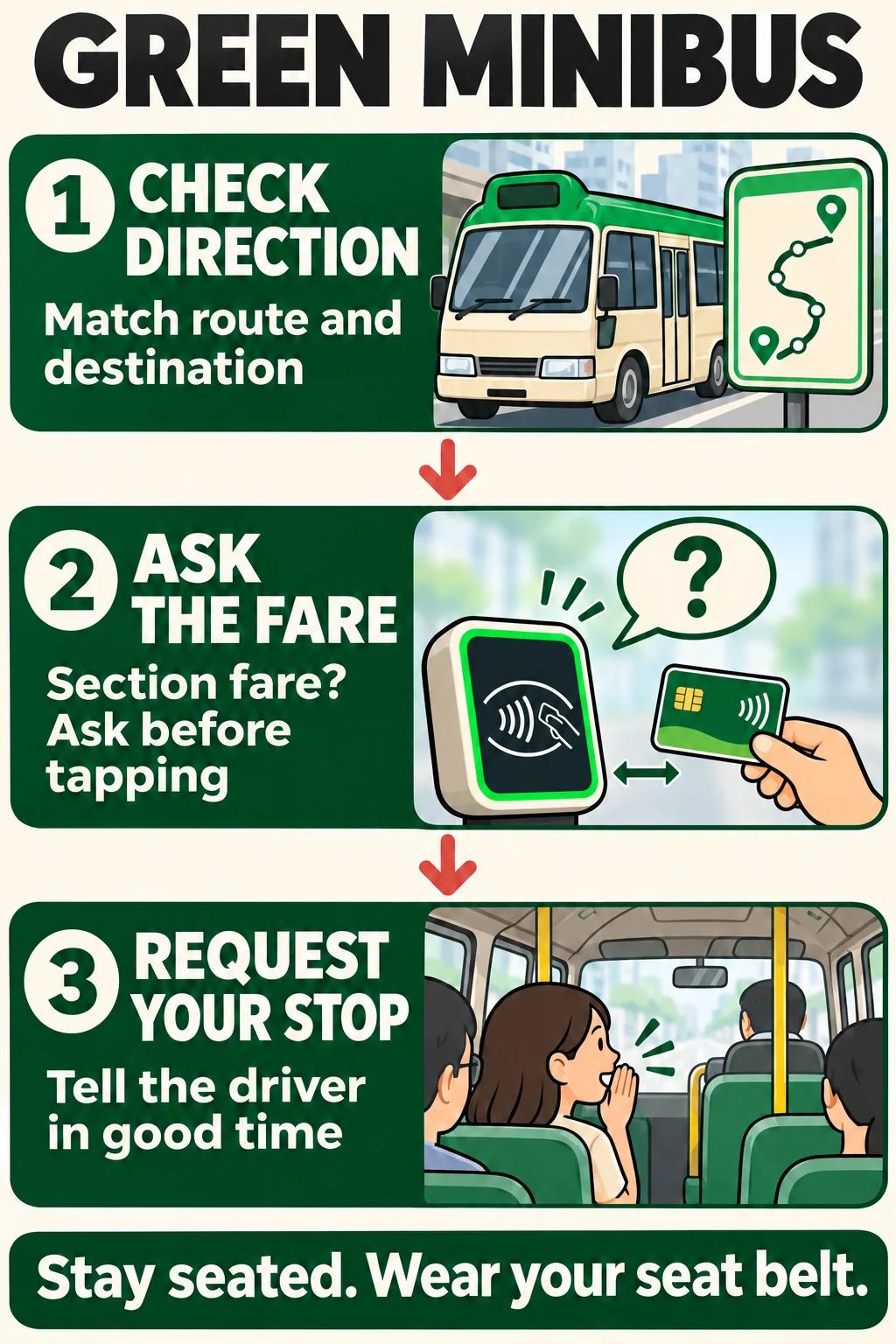
For a first minibus ride in Hong Kong, choose a green route only after checking its direction and your stop. Ask about any applicable section fare before tapping Octopus, then request your stop in good time. Red minibuses use different service and payment arrangements. This guide was checked against Transport Department and tourism-board information on 3 November 2026.
Start with the roof colour, then check the destination
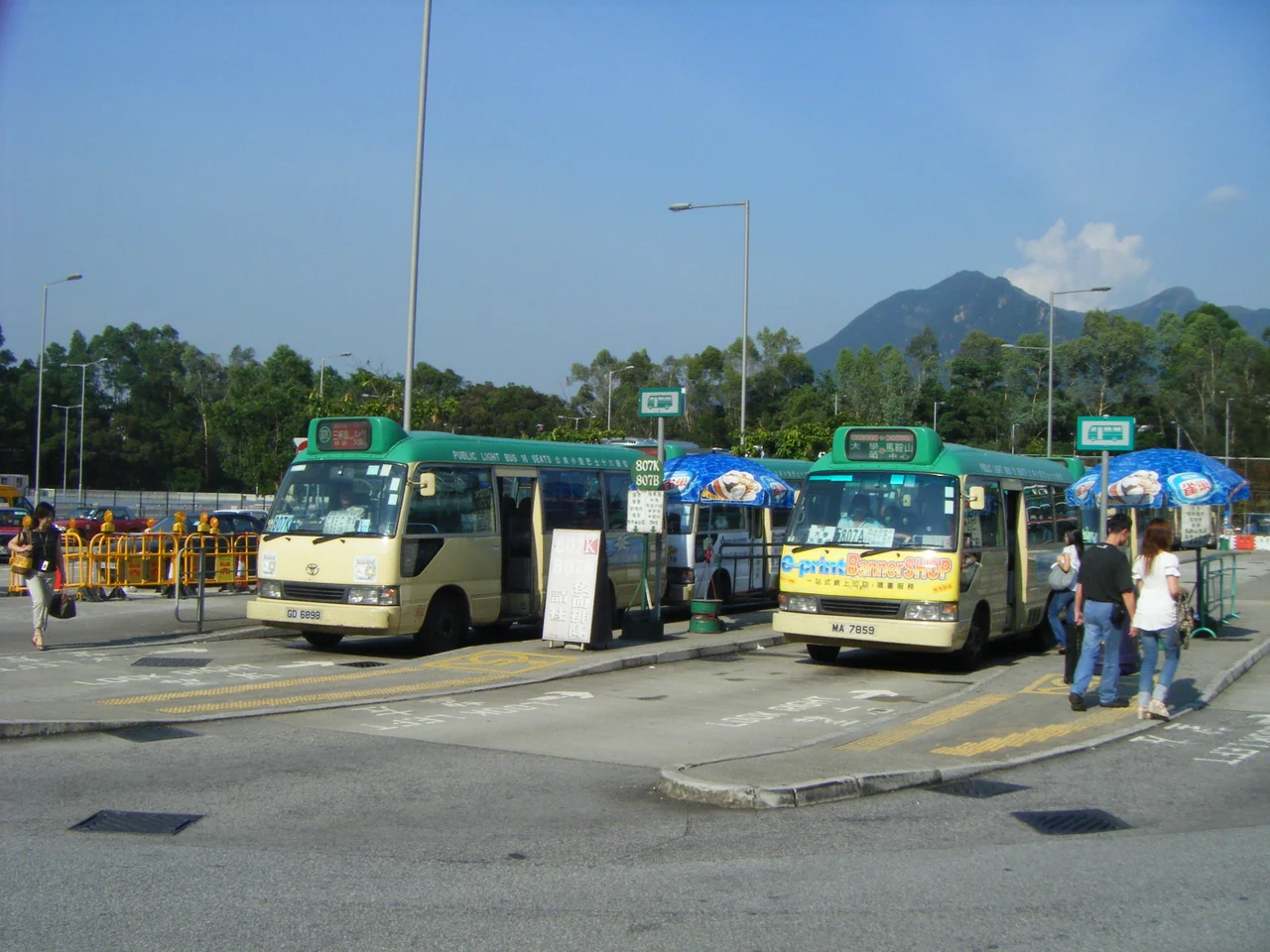
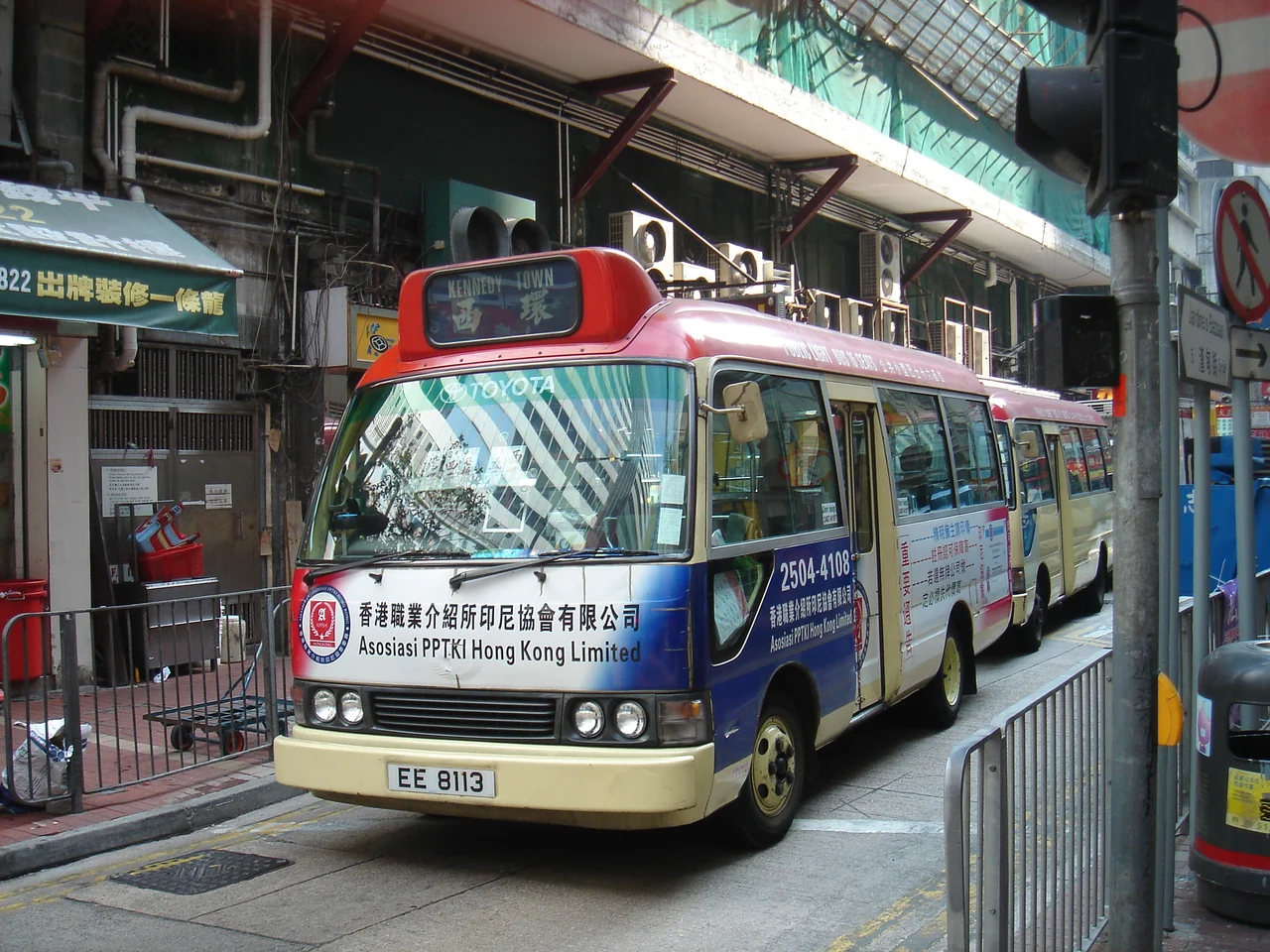
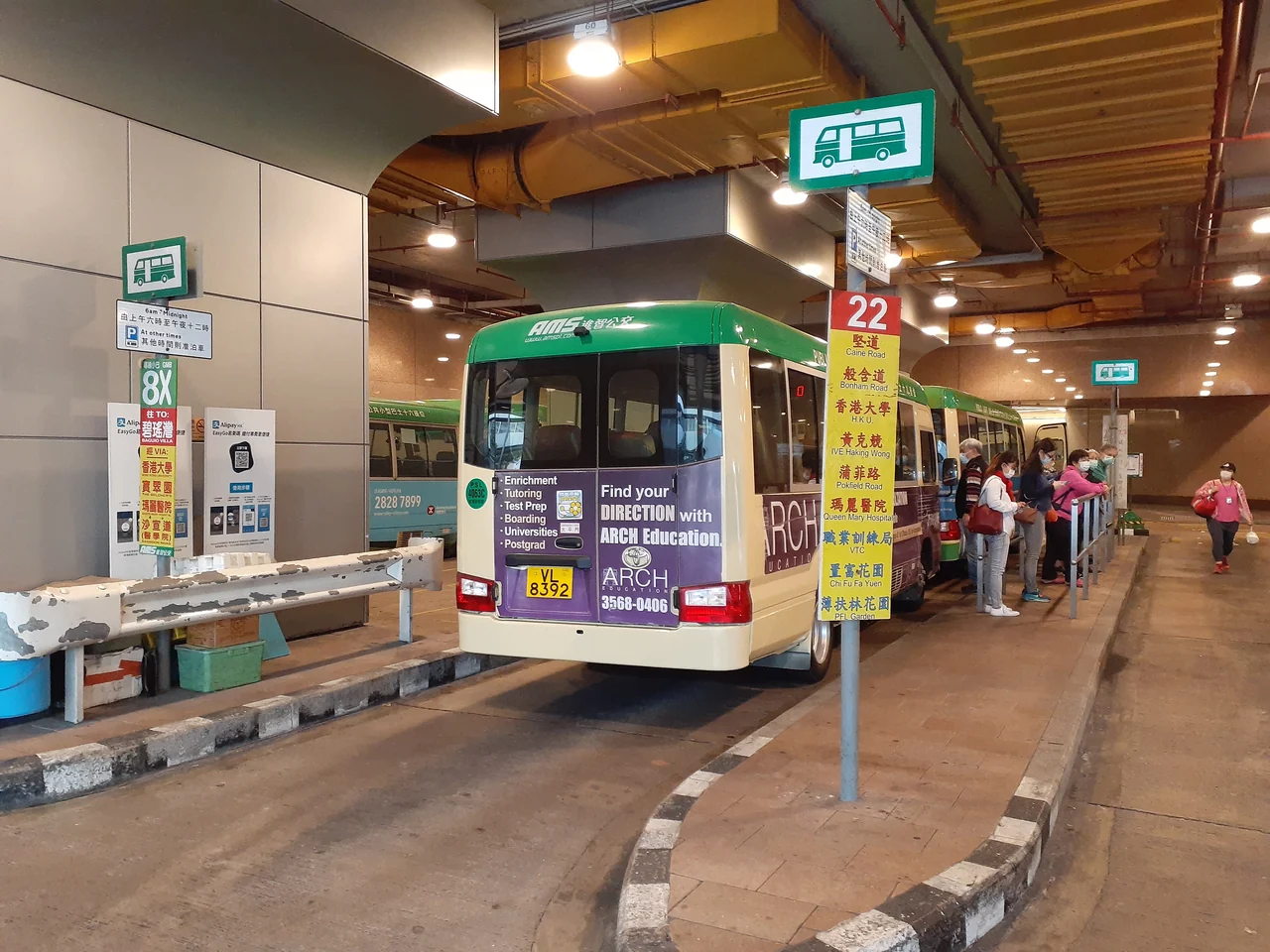
Minibuses can bridge the gap between a railway station and a neighbourhood. Their small size does not make them taxis that stop wherever a passenger wishes. The Transport Department distinguishes two types : green minibuses operate specified routes, schedules and fares; red minibus routes, frequencies and fares generally do not require the department's approval, but operating-area and road restrictions still apply.
| What to check | Green minibus | Red minibus |
|---|---|---|
| Identification | Green roof, then route number and direction | Red roof, then destination sign |
| Fare | Current fare and applicable sections for that route | Ask the price and payment method for your journey |
| Usual payment point | When boarding | Usually when alighting; confirm the vehicle's arrangement |
| First-ride priority | The route number alone does not establish direction | A destination name does not prove it passes your intended stop |
Advertising can obscure the original body colour, so the roof is only the first clue. Destination, direction and the precise point where you need to get off decide whether a vehicle is useful. Red minibuses are not outside the transport system's rules, and they cannot stop at every location.
Save your stop before leaving
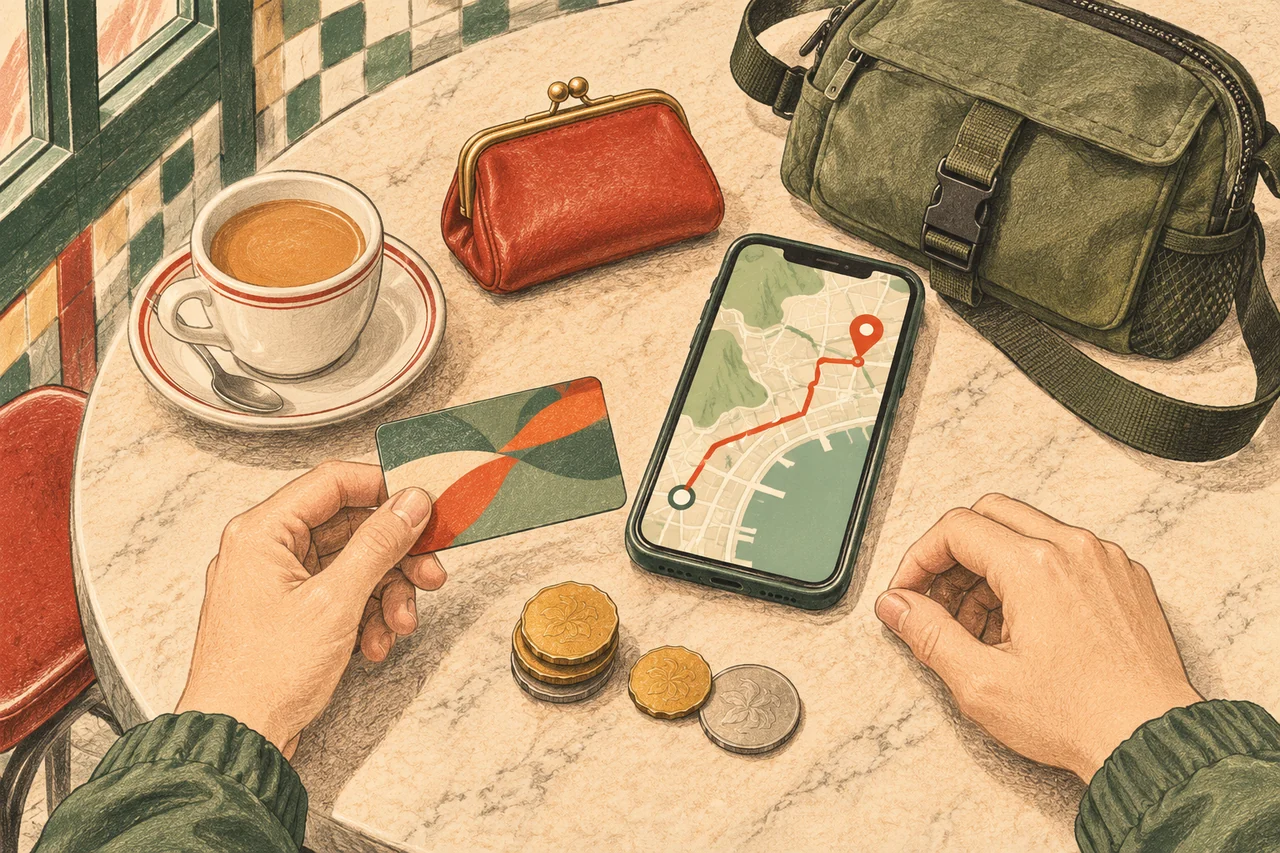
Match your hotel or attraction address to a suitable minibus stop, then work out how to reach the boarding point. Green-minibus arrival information now covers all routes and can be accessed through HKeMobility, according to the department's arrival-information update . An estimated arrival is not a guarantee of a seat on that vehicle.
Save three things on your phone: the route number and direction, your stop's Chinese name, and the walk from that stop to your destination. A Chinese address can be easier to confirm with a driver than an unfamiliar English abbreviation. Check the destination pin too: a front entrance, rear entrance and car park can face different streets.
Where a stop for your route is nearby, use it. Wait on the pavement and signal clearly to an approaching vehicle. Do not step into the road to hail it or request a pickup where boarding and alighting are prohibited. These small preparations avoid making a hurried decision when the door opens.
Ask about a section fare before tapping
The Hong Kong Tourism Board's transport guide states that green minibuses accept Octopus and normally take payment on boarding. Prepare the exact amount if using cash; change is generally not given. There is no single fare for every minibus in Hong Kong: routes, sections and concession conditions differ.
Resolve a fare question before tapping. If travelling only a shorter section, name your intended stop and ask whether a section fare applies. The government's formal explanation of green-minibus section fares says passengers can request the appropriate fare from the driver on boarding, or use an applicable section-fare button, before paying electronically. Do not tap the full fare and assume that an automatic railway-style adjustment will happen when you get off.
Red-minibus passengers usually pay when alighting, with different small-cash change arrangements from green services. Even if you see a card reader, confirm the method, amount and timing for that ride. A payment app accepted on the previous vehicle is not proof that another operator accepts it.
Request the stop early and make it specific
You may hear passengers say “yau lok” — Cantonese for a request to get off. HK01's report on minibus stop calls describes local expressions that can refer to old landmarks. Visitors do not need to learn that whole vocabulary. A precise stop or street name, prepared beforehand and communicated early, is more useful than copying an expression you do not understand.
When boarding, you can show the stop name and ask the driver to alert you. As the stop approaches, make a brief request again. Use a stop bell if one is fitted; otherwise tell the driver in advance. If you are not heard, repeat clearly. Avoid an abrupt request after the vehicle has passed a junction, and do not move beside the driver for a prolonged conversation.
The Transport Department's passenger-safety guidance says an intermediate stop should be requested early enough for the driver to stop safely. Road restrictions still decide where stopping is permitted. If you miss the intended point, get off at the next safe permitted location, then reassess the walking route.
Sit down, fasten the belt, then settle your bag
Public light buses have at most 19 seats; a particular vehicle may have fewer. Empty floor space should not be treated as somewhere to stand for the journey. If travelling together, establish whether your group can board the same vehicle instead of gathering in the doorway or aisle. Where a seat belt is fitted, passengers must wear it. Stay seated while the minibus is moving and leave the seat only once it has stopped.
Keep a small bag secure and the aisle clear. Large suitcases, a stroller or access requirements need a more careful check of the actual vehicle. Passenger count alone cannot answer whether it is suitable. If you need to attend to a child, cannot readily request a stop, or have several large bags, a mode with easier-to-check stops and luggage arrangements may be a calmer choice than deciding at the door.

When a minibus is worth using
Once you know the boarding direction and alighting point, a minibus can make a useful neighbourhood connection. For a first taste of local transport with less stop-calling to manage, read the Hong Kong tram first-ride guide . In Tuen Mun, Yuen Long or Tin Shui Wai, compare the Light Rail tapping and transfer rules . Payment sequences differ between these systems; do not transfer one set of rules to another.
Plan the return too. Being guided onto the outward vehicle by a friend does not mean the return stop is directly across the road. Check direction and the last-service arrangements again before leaving. In rain, with luggage or before a time-sensitive appointment, leave room for another transport option rather than depending on a route you have not checked.
Your pre-journey checklist
- Save the route, direction, Chinese stop name and final walking route.
- Request an applicable green-minibus section fare before tapping; bring exact cash if needed.
- Confirm a red minibus's price, payment method and payment point separately.
- Request your stop early, remain seated and wear the belt provided.
- Wait for the vehicle to stop before leaving your seat; check the map after alighting.
Sources & further reading
This article draws on the media coverage and public information below. Event and transport arrangements can change; check the latest details before travelling.
- Transport Department: minibus service typestd.gov.hk (Opens in a new tab)
- Hong Kong Tourism Board: getting arounddiscoverhongkong.com (Opens in a new tab)
- Transport Department: arrival informationtd.gov.hk (Opens in a new tab)
- Hong Kong Government: section fares on green minibusesinfo.gov.hk (Opens in a new tab)
- Transport Department: minibus passenger safetytd.gov.hk (Opens in a new tab)
- HK01: local minibus stop-call expressionshk01.com (Opens in a new tab)
Make it your journey
If this local connection is part of a cross-border journey, send us the hotel address, passenger count, luggage and next destination. We can help identify which legs suit public transport and where an arranged transfer would be useful.