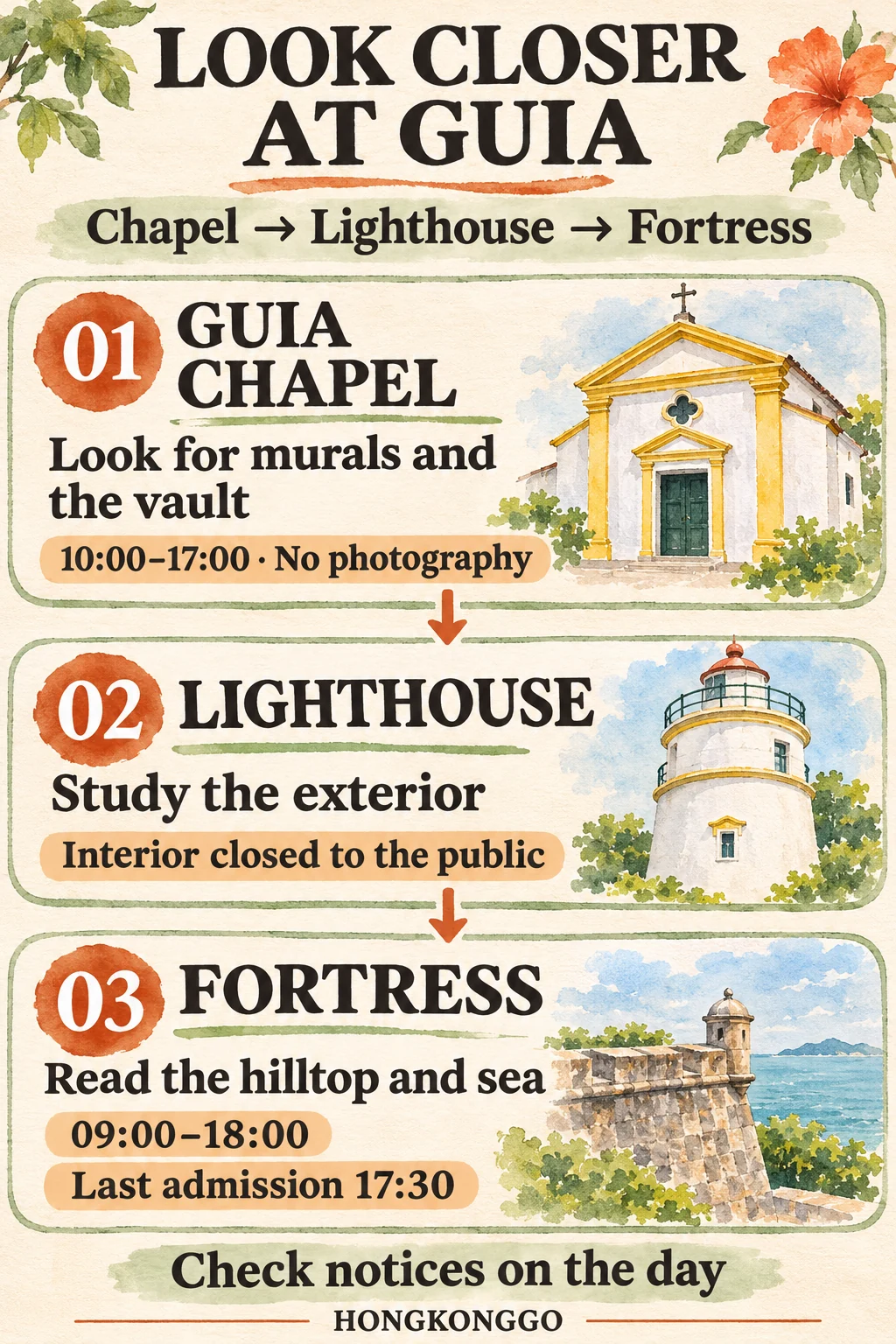
At Guia, give the small chapel beside the lighthouse a proper share of your attention. Its whitewashed walls concealed paintings combining Chinese and Western imagery; outside, a lighthouse and defensive walls show how navigation, religion and a hilltop position came together. Arrive during the chapel's 10:00–17:00 opening hours and look at the paintings and building before studying the lighthouse exterior and fortress setting. The lighthouse interior is closed to the public, and photography is prohibited inside the chapel.
One hilltop with three purposes
Enter through the open visitor entrance, locate the small chapel and cylindrical lighthouse, then look back at the walls enclosing them. They stand close together but were not all built at once. Work on the fortress began in 1622, with later enlargement; the chapel belongs to a similar period, while the lighthouse entered service in 1865. The heritage authority presents them as one ensemble connecting military, missionary and maritime history. Official heritage account of Guia
If you already know Macau's old centre, make the ascent and these buildings the main outing. There is no need to add another long list of squares, churches and museums. Allow a suggested 60–90 minutes for looking around at the top, with the climb, rests and descent additional. This is an editorial allowance. Anyone interested in the paintings can give the chapel more time; companions with different interests can agree to meet in an outdoor area where stopping is permitted.
Begin with the plain facade, then find the colour within
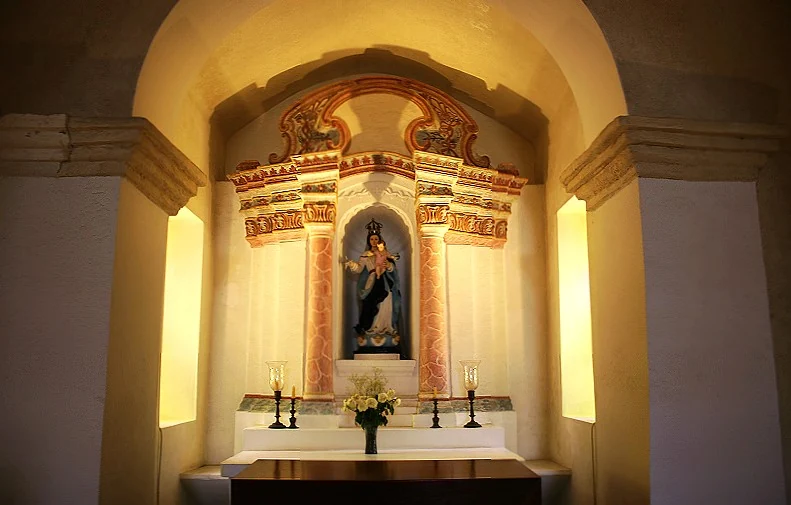
The Chapel of Our Lady of the Snows has a restrained front. White walls, yellow pilasters and triangular pediment, and a small upper window make the entrance easy to read. Study those elements outside before looking up at the vault indoors. The contrast between the quiet facade and painted surfaces becomes more apparent. There is no need to name every figure immediately. Choose one part you can see clearly and notice its colours, outlines and position on the wall.
The paintings visible today owe their recovery to conservation. The heritage authority records their discovery beneath old whitewash during works in 1996. The Chinese World Heritage account adds that specialist restoration began in 1998 and was completed in 2001, when the chapel reopened. These are not decorations created for present-day visitors. Nor can you date a patch of painting simply by how bright or faded it appears. Building and conservation history
Look for Chinese lions and plants alongside biblical imagery
The official account describes biblical stories and figures rendered with Chinese painting techniques, alongside Chinese-style lions, potted flowers, ornamental rocks and clouds. Set yourself a small task: find a plant or rock motif, then see how it relates to the edge of an arch, a figure or another painted area. The interest lies in how these images share a space. A rapid photographic inventory would tell you rather less.
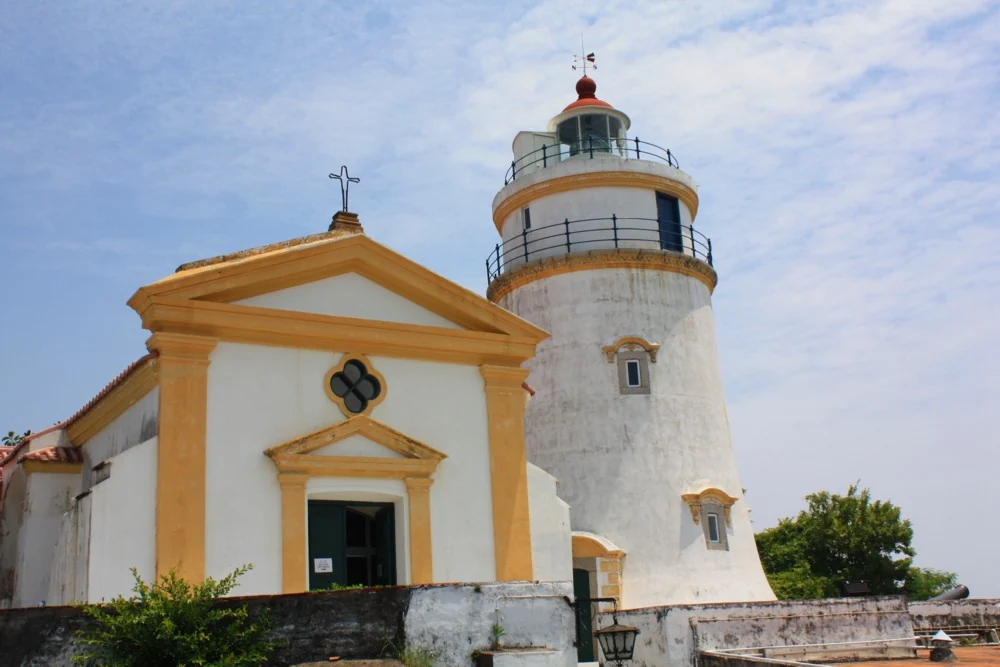
With a school-age child, start by asking what shapes they can recognise, then read the interpretation together. Lions and rocks are useful clues to look for, not a promise that every corner is accessible for close inspection. Conservation boundaries, light and other visitors affect the view. Avoid assigning one religious meaning to every flower. Our conceptual illustration explains a way of looking; the actual brushwork, composition and placement belong to the original paintings and their on-site interpretation.
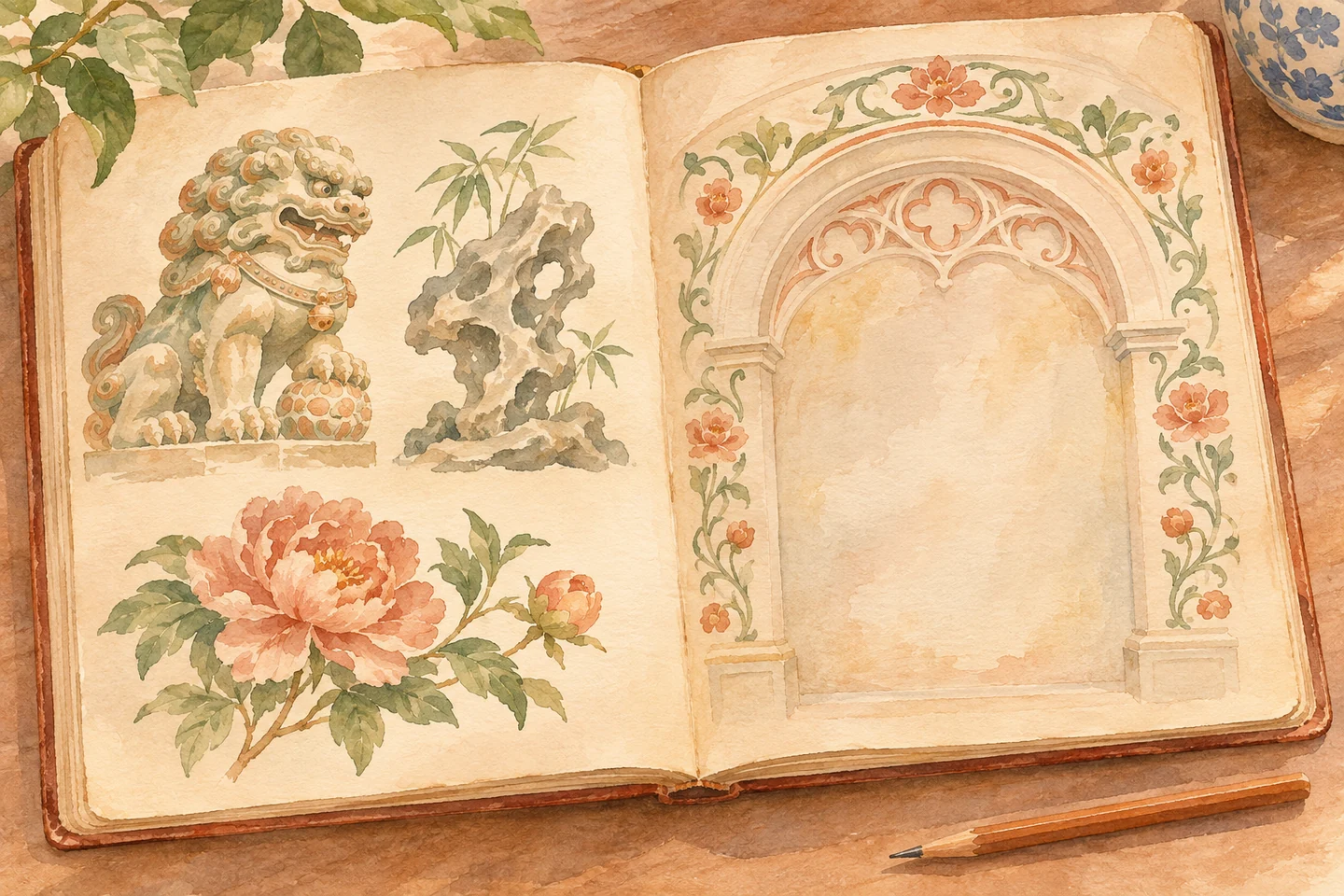
The tourism office explicitly prohibits photography inside the chapel. Turning off the flash does not create permission to photograph the murals. Instead, write down a motif you remember after leaving or return to the official material later. For exterior photographs, find a permitted outdoor position and keep the entrance and walking route clear. Tourism office hours and photography rule
Connect the vault to its walls and supports
After looking at the paintings, study the building carrying them. The World Heritage description gives the nave as approximately 16 metres long and 4.7 metres wide. Thick side walls and buttresses support its barrel vault, while from outside the roof is pitched and covered with red tiles. Follow the curve of the vault from a permitted position, then look outside for the substantial walls and projecting supports. The two roof shapes describe different layers of the same building.
You do not need to enter rooms behind the altar, climb to the choir or touch the wall to make this comparison. If only part of the interior is accessible on the day, the facade and visible vault can still reward a visit. Let people through a narrow entrance and wait for a clear position. A small white building in an exterior photograph becomes more interesting when you can understand how its parts fit together.
Read the lighthouse from the ground
Outside the chapel, turn to the white cylindrical tower narrowing towards its top. The lantern and upper platform look quite different from the heavier body beneath them. The lighthouse opened in 1865 and served navigation as well as becoming an important geographical reference for Macau. The heritage account links its position to the city's geographical coordinates. Ask what a ship approaching from the water needed to see, rather than beginning with the question of climbing the tower.
Both the cultural authority and tourism office currently state that the interior is not open to the public. An internal staircase and upper platform are architectural features, not visitor facilities you may assume you can use. Old festival reports, photographs taken on a special opening or a commercial listing cannot establish ordinary access. Any future special visit needs its own official notice checked separately. This plan includes the exterior only.
Finish with the walls and the shape of the hill
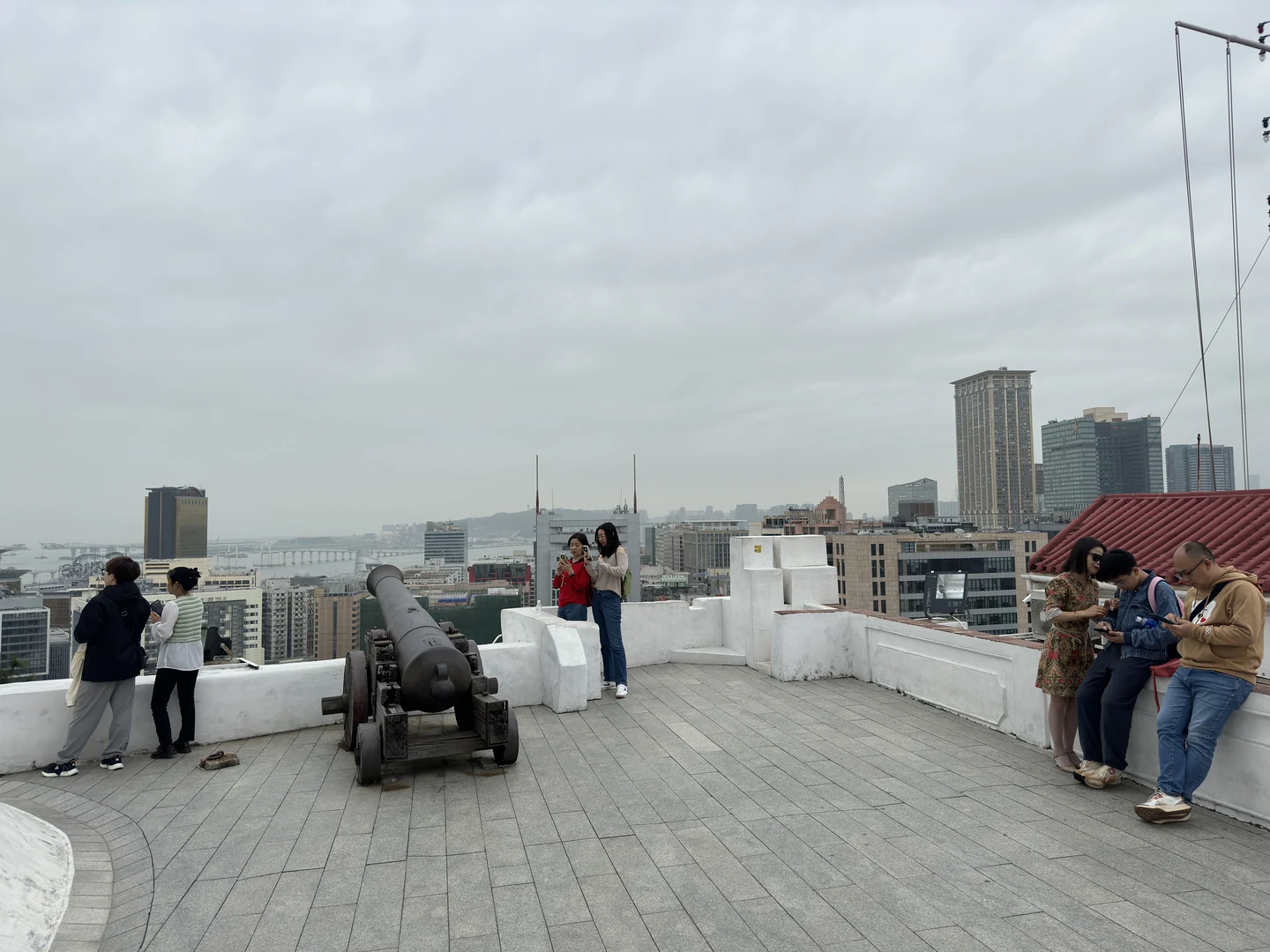
The fortress follows the ground in an irregular plan, with defensive walls built largely from carefully shaped granite blocks. The authority also describes monitoring shipping and sending weather warnings to the town below among its roles. Walk a short distance within the permitted area, observe how the wall turns with the terrain, then look towards the city and sea. The lighthouse makes more sense when seen as part of this hilltop setting.
Remain on the open ground for photographs, without climbing walls or crossing barriers. Buildings, trees and weather affect today's views; an old coastline photograph is not a promise of an uninterrupted panorama now. To compare another maritime perspective, save the Macao Maritime Museum for a separate visit, moving from signals on the hill to displays about vessels, fishing and port life.
Plan around the chapel and leave energy for the descent
At this check, the fortress opens 09:00–18:00, with last admission at 17:30; the chapel opens 10:00–17:00. If the paintings are your main reason for coming, do not begin the climb shortly before 17:00. Allow separately for reaching the site and walking to the entrance, and check temporary notices before setting out. Heavy rain, slippery surfaces or a tired companion are good reasons to choose another day for a visit that needs concentration.
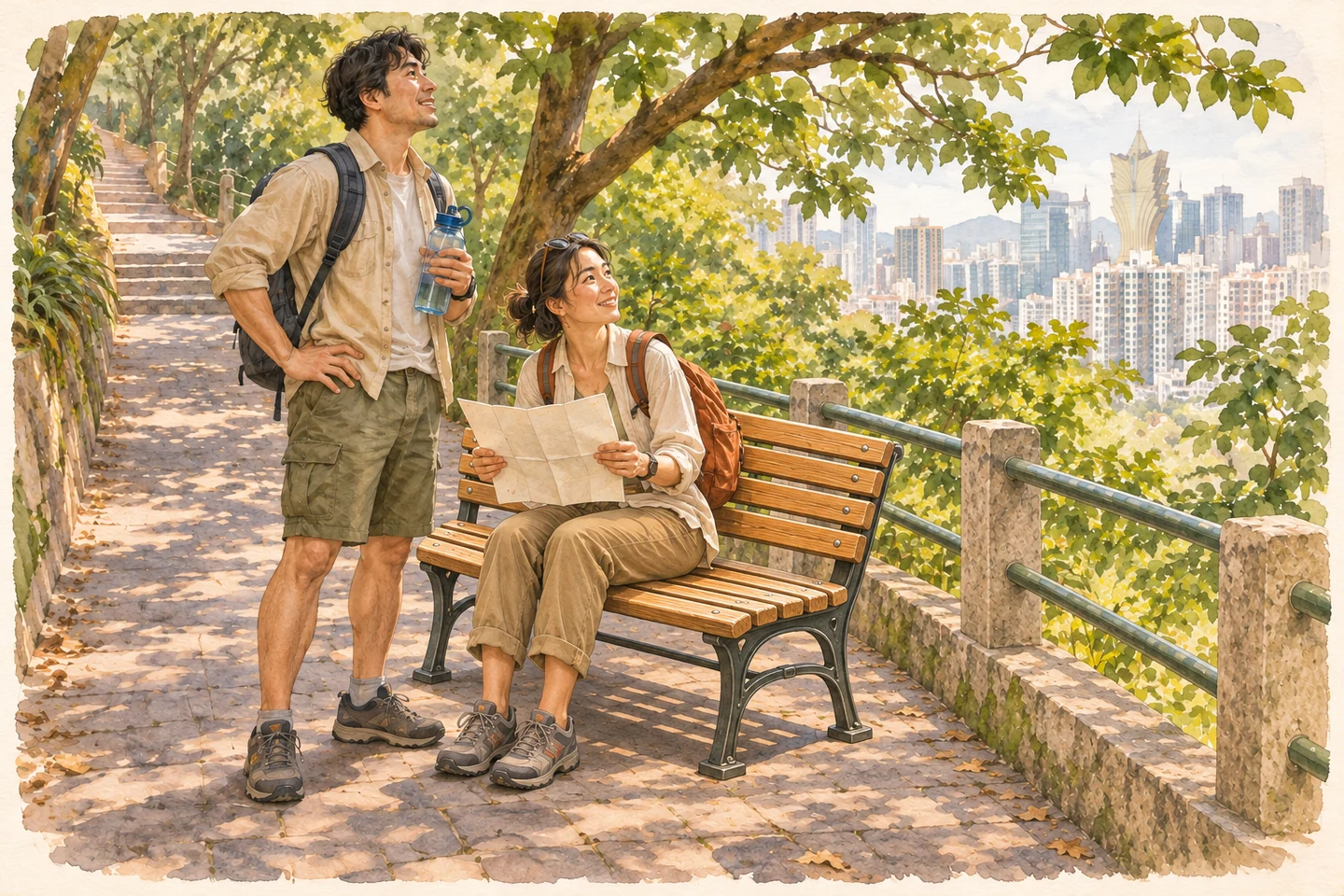
Light luggage, water and comfortable footwear are more useful here than an extra set of camera equipment. A hilltop destination does not mean a vehicle can reach every building's door. Anyone needing step-free access, wheelchair assistance or a pickup should check the complete approach and entrances beforehand. If using the cable car, confirm its operation and the remaining walking after alighting; the ride does not automatically remove all climbing.
For a first old-town day with an optional hilltop exterior, use the Macau historic-centre walking itinerary and decide according to afternoon energy. If the murals are the purpose, put Guia in the part of the day when you are alert and have no imminent departure, then return to town for a meal. A remembered motif and a clear sense of how chapel, tower and wall relate may be the most useful things to take away.
Your pre-journey checklist
- Arrange arrival around the chapel's 10:00–17:00 hours, with separate time for ascent and descent.
- Remember the fortress's 17:30 last admission and the closed lighthouse interior.
- Take no photographs inside the chapel and do not touch the paintings.
- Look at imagery, then the vault and walls, before studying the tower and terrain outside.
- Check temporary arrangements and adapt for rain, fatigue or access needs.
Sources & further reading
This article draws on the media coverage and public information below. Event and transport arrangements can change; check the latest details before travelling.
Make it your journey
Make this a visit in which you look slowly: remember one motif in the chapel, understand one function of the tower and trace the hill through its walls. For an onward hotel or border transfer, give HONGKONGGO the actual date, passengers, luggage and comfortable walking range to check arrangements. Allow for the visit and return transport separately.