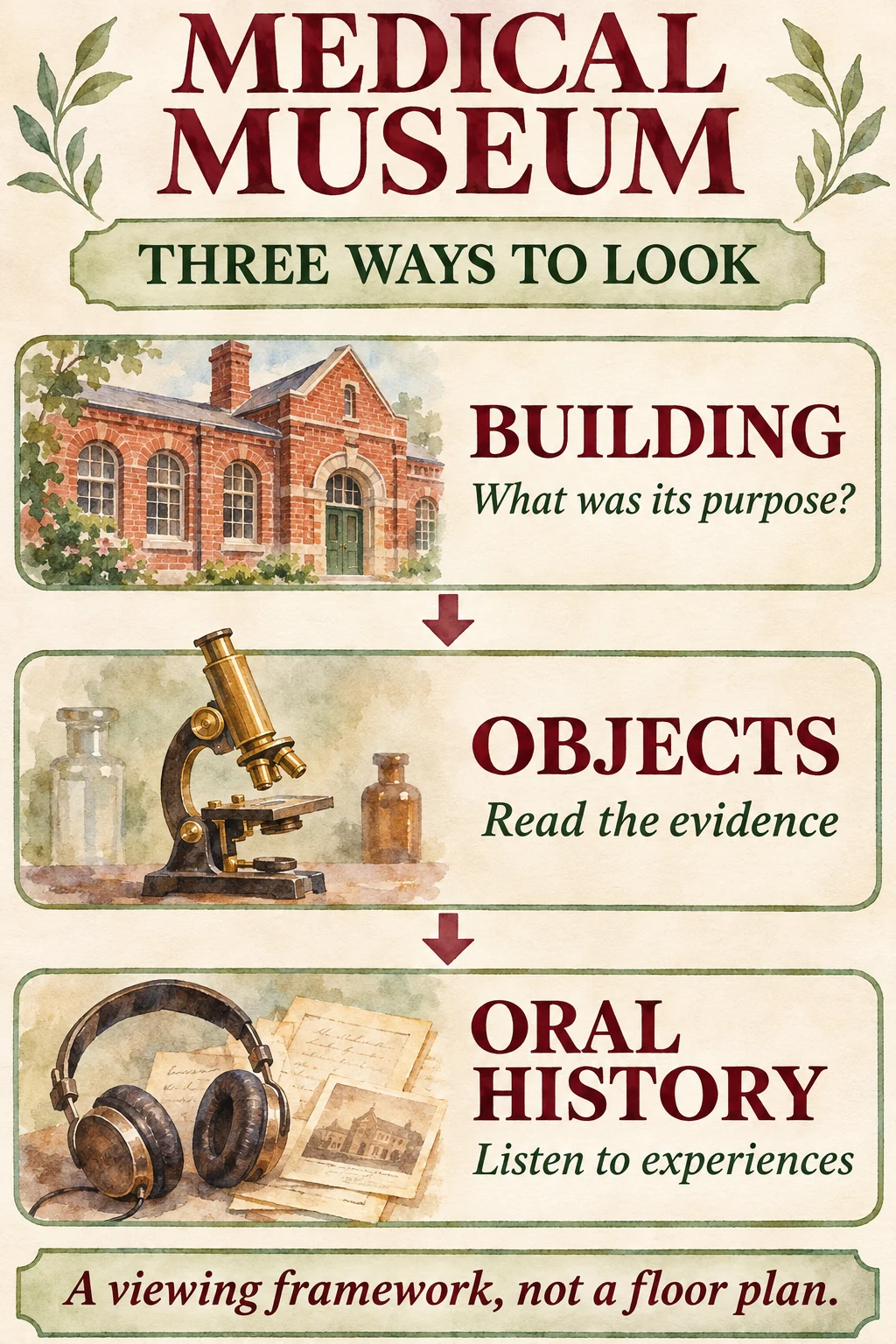
Allow about 90 minutes for the Hong Kong Museum of Medical Sciences, looking beyond its red-brick exterior. Start with why the laboratory was built, read the labels around a small group of medical objects, then use the SARS oral-history archive for further exploration. You need curiosity about cities and science rather than medical knowledge. On Sundays it opens at 13:00; on Mondays it is closed, so a standard morning museum plan will not work.
Begin with the former laboratory, not a list of diseases
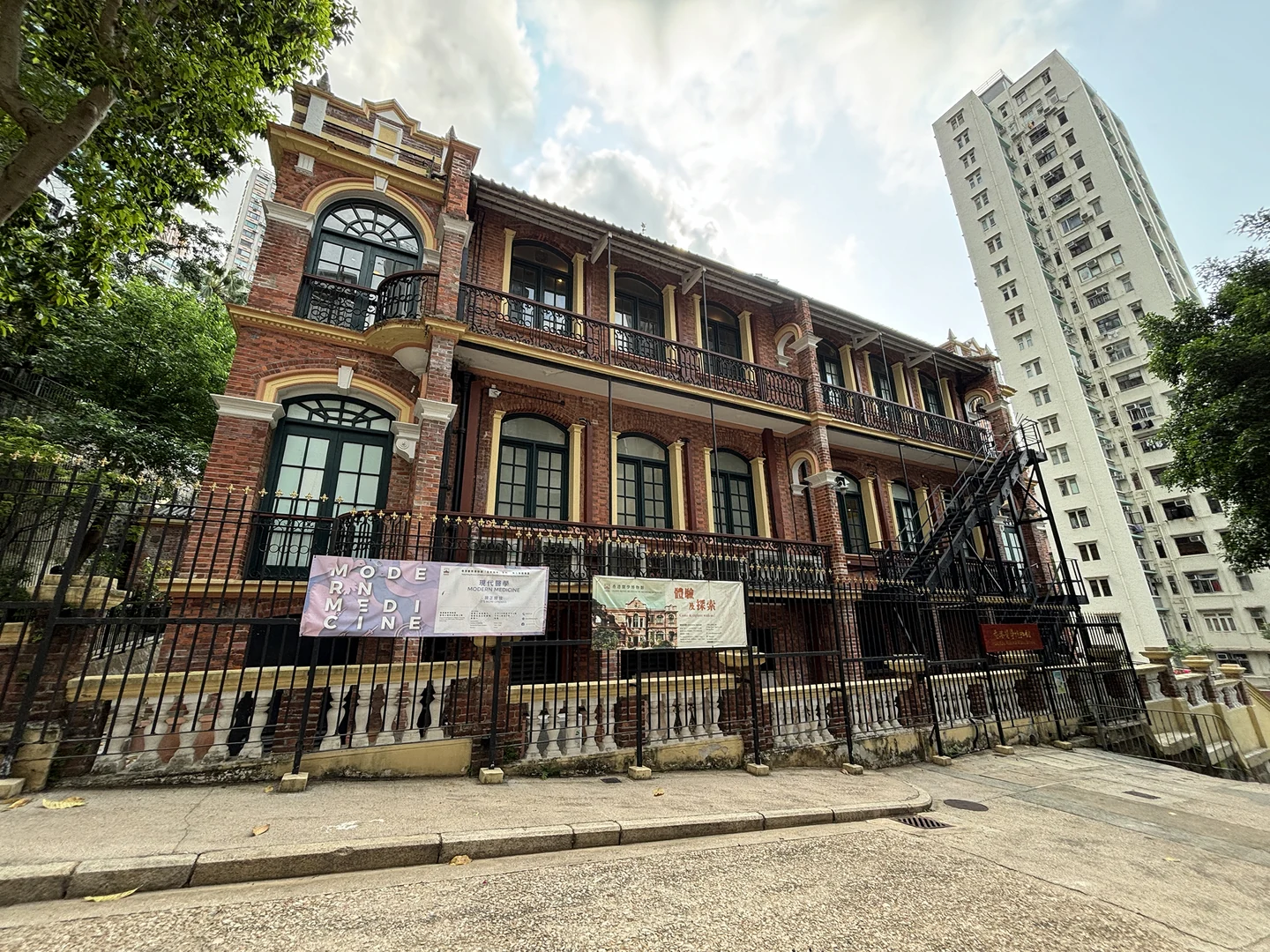
The museum is at 2 Caine Lane in the Mid-Levels above Sheung Wan. Looking at the brickwork, windows and verandas, first ask whom this building originally served. The museum’s monument history explains that it opened in 1906 as the Bacteriological Institute, purpose-built for public-health work responding to plague and other infectious diseases. It was later renamed the Pathological Institute, ceased its laboratory role in the 1970s and became the medical museum in 1996.
Those dates make the place easier to understand. This was not already an operating laboratory when Hong Kong’s plague outbreak began in 1894. Nor was it simply a former home into which medical objects were later placed. Public-health work shaped its original purpose; the museum now gives visitors a way into that history. Understanding the sequence is more useful than trying to memorise a long list of diseases before entering.
As an editorial allowance, spend roughly 15 minutes on the building and its history, an hour on two groups of exhibits, then 15 minutes revisiting details. That is a suggested pace, not an official tour length. The uphill approach, finding the entrance and lunch need additional time. Allow longer if you enjoy reading every panel or are visiting with children.
Look at the working building and the neighbourhood around it
Notice repeated windows and verandas along the same elevation, then compare the roof, walls and entrance. These are things you can actually see. A window alone cannot tell you which laboratory once stood behind it: original room functions, later alterations and present displays need the on-site interpretation.
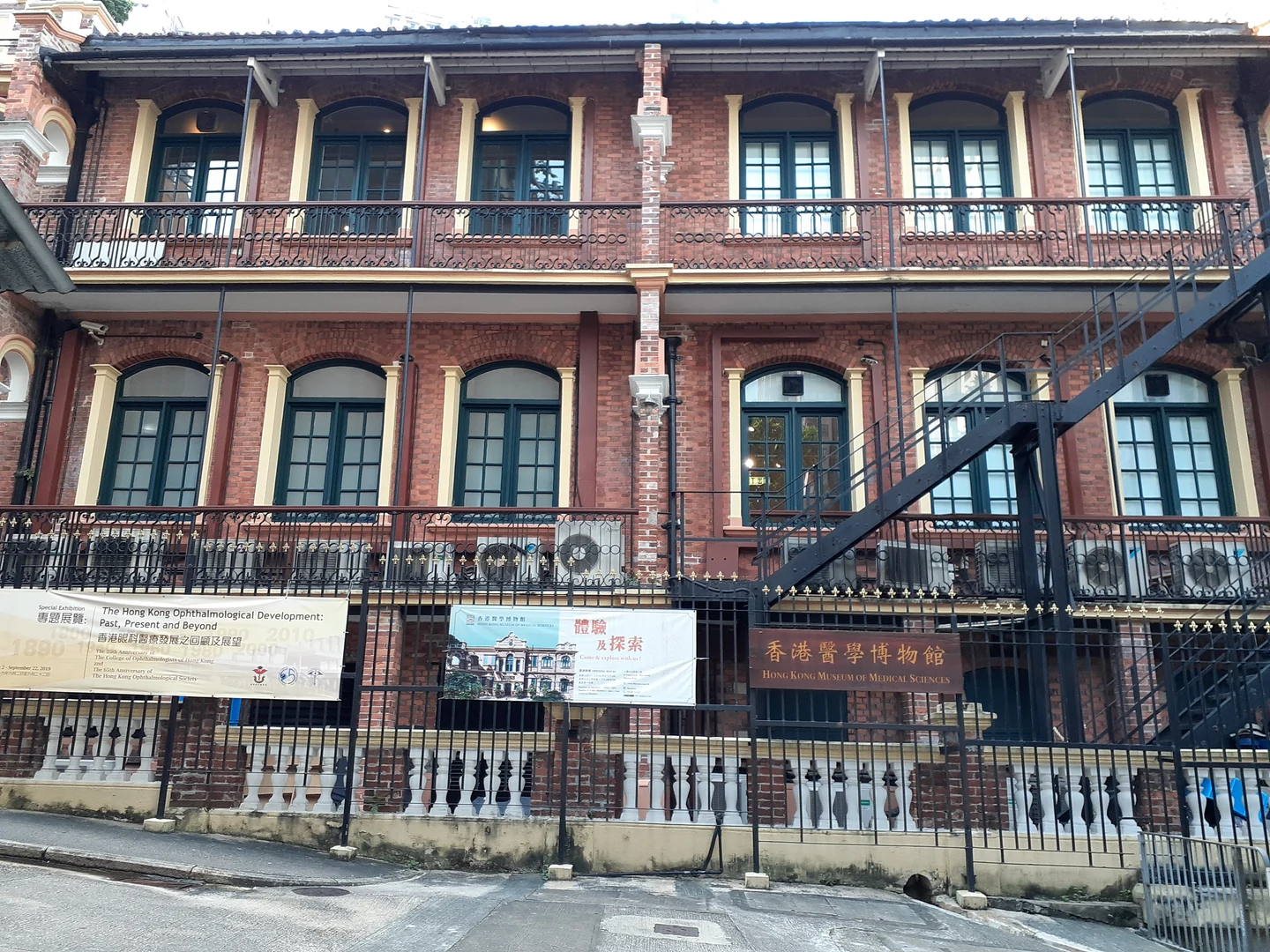
The 2019 veranda photograph makes it easier to compare repeated windows, brick columns and railings. It does not establish today’s entrance or exhibition arrangements. Stay on open public paths when looking at the building; do not enter a closed stairway or cross a barrier to recreate a viewpoint.
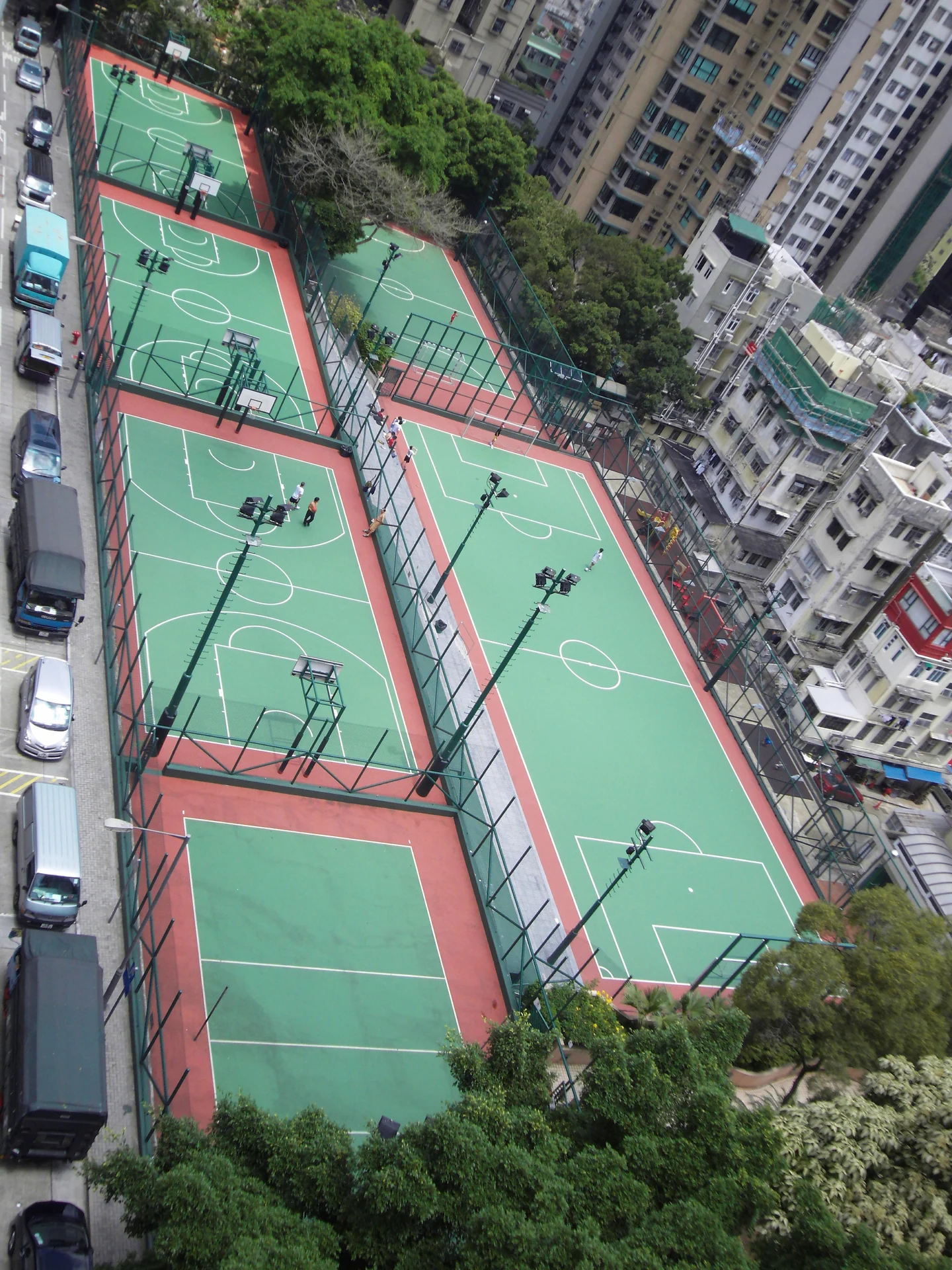
This remains a lived-in neighbourhood. The nearby Blake Garden photograph helps place the historic building within a densely built city. You do not have to add a complete medical heritage trail after the museum. Simply take one question back into the streets: how do older public-health facilities remain part of present-day urban life? If you want an organised museum walk, check its current dates and booking conditions separately; a self-guided stroll does not include a reserved guide.
What question did a medical object help answer?
An unfamiliar instrument can easily become just an unusual shape in a photograph. Start instead with its label: name, date and purpose. Then consider its form. Did it help someone see more clearly, record a change, or perform another task in diagnosis or treatment? Read before guessing how it was operated, and observe without handling equipment.
As checked on 9 November 2026, the museum’s Modern Medicine II page describes a permanent overview and a rotating specialist section. The subjects currently named on the page are anaesthesiology, pain medicine and intensive care. That structure lets you move from “what is this device?” to “what kind of work did it support?” Rotating content and actual display arrangements must still be checked on the day; a subject heading is not a guarantee that every associated instrument will be present.
For an object with a scale or viewing component, identify where a person might look and where information might be recorded, then check the explanation. Two objects with different shapes are not necessarily earlier and later versions of the same invention. They may have served different jobs. With children, each person can choose one object, describe a visible feature, then add a fact from its label. This keeps observation, speculation and evidence separate without turning the visit into an examination.
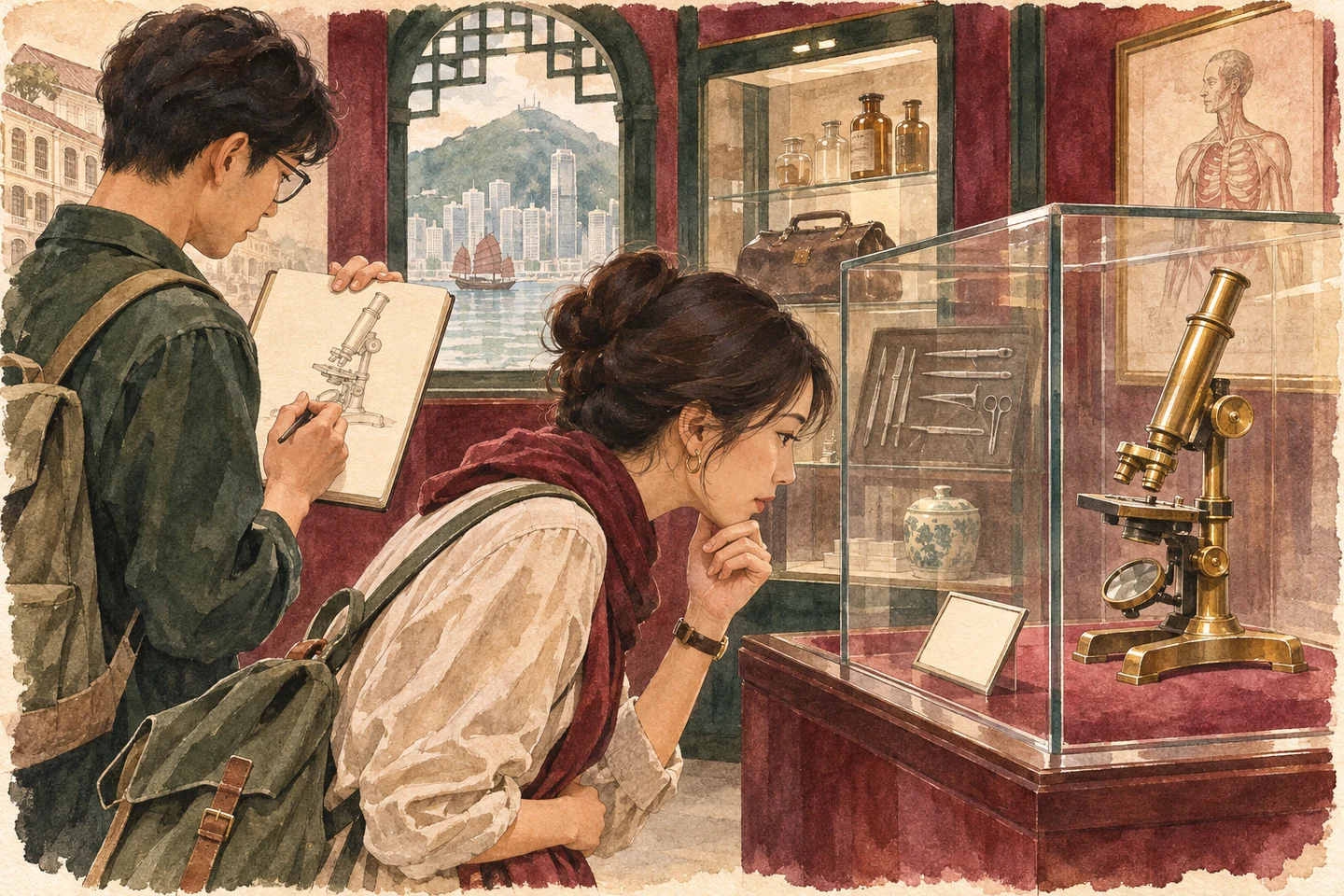
The illustrated microscope and display case demonstrate a way of looking; they do not reproduce a particular gallery. If material involving disease, the body or treatment is uncomfortable for someone in the group, choose architectural or scientific-history displays instead. Historic equipment and museum interpretation are not tools for assessing symptoms or changing medication.
SARS oral history: listening to a person’s experience
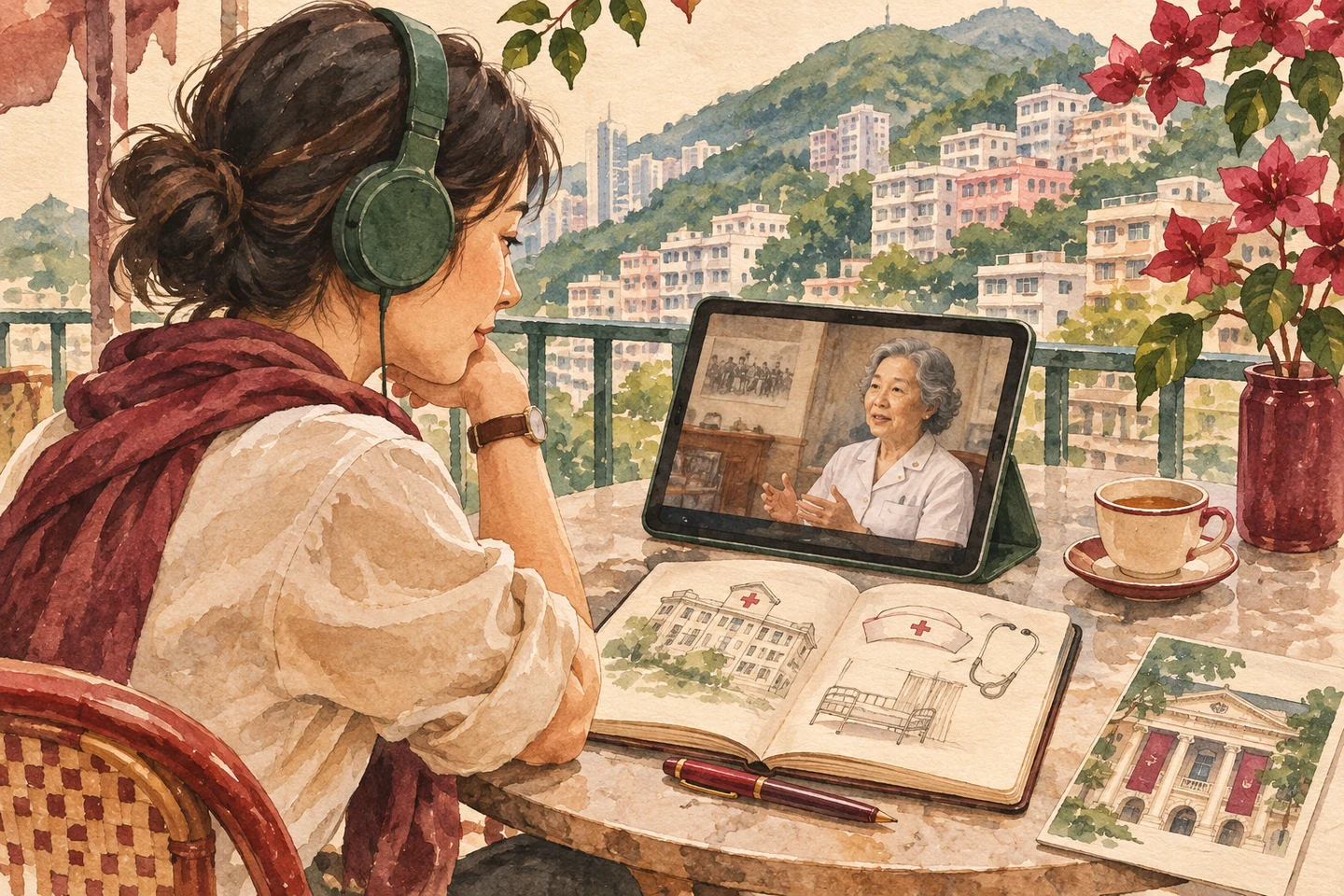
A 2020 HK01 report introduced the museum’s online SARS oral-history material, offering a way to move from buildings and objects to the voices of people involved. Its references to pandemic closure and displays at that time are historical news, not current opening information.
The museum’s Ten Years On archive selection explains that the project interviewed people from inside and outside the medical profession who experienced SARS. The exhibition includes selections from 20 interviews. Notice a speaker’s role at the time, what they personally witnessed, and the limits of their perspective. The museum explicitly reminds users that oral histories are personal memories and need to be understood in that light.
After visiting, choose one interview to explore on the official page rather than trying to absorb every account during your museum time. Note one experience, then compare it with the dates and context presented elsewhere. An individual account adds depth without representing the whole society. The archive restricts downloading, copying and public screening without permission. This article links to the original page and does not reproduce its videos.
Check opening hours, tickets and photography before making plans
The following arrangements were read on the official visiting page on 9 November 2026. Temporary events and weather can change a particular day’s arrangements, so check again before setting out.
| Item | Published arrangement |
|---|---|
| Tuesday to Saturday | 10:00–17:00 |
| Sundays and public holidays | 13:00–17:00 |
| Closed | Mondays, Christmas Day, New Year’s Day and the first three days of Lunar New Year |
| Christmas Eve and Lunar New Year’s Eve | 10:00–15:00 |
| Adult admission | HKD20 |
| Full-time students, people aged 60 or above, people with disabilities and children under six | HKD10 |
| Family ticket | HKD50 for two adults and up to three children |
Do not assume children under six enter free: the museum lists them under concessionary admission. Ask the museum about supporting documents or dates on which holiday provisions overlap. A Sunday visit can follow lunch, leaving a complete museum session after the 13:00 opening rather than waiting outside in the morning.
Handheld photography for private use is generally allowed where there is no special notice, but flash is prohibited. Commercial photography, publication or public presentation, and arrangements involving tripods or additional lighting require advance application and written permission. An admission ticket is not a commercial photography permit. The museum’s online films should not be turned into your own promotional illustrations.
The final approach includes stairs
The museum’s suggested MTR approach starts from Sai Ying Pun Station Exit C: take the lift to Bonham Road, follow Bonham Road and Caine Road east to Ladder Street, then descend to the first landing and turn into Caine Lane. Its approximate 15-minute walking reference includes stairs. It is not a promise of a step-free journey. Visitors using a wheelchair or pushchair, or needing fewer steps, should call +852 2549 5123 in advance to confirm an appropriate entrance and accessible exhibition areas.
The approach from bus stops on Caine Road also involves Ladder Street. There is no museum car park. For an arranged transfer, agree a lawful pick-up or drop-off point rather than expecting a vehicle to wait in the narrow lane. Leave large suitcases at a confirmed storage location. Wet slopes and steps deserve additional care, while severe weather requires checking museum notices and reconsidering the visit.
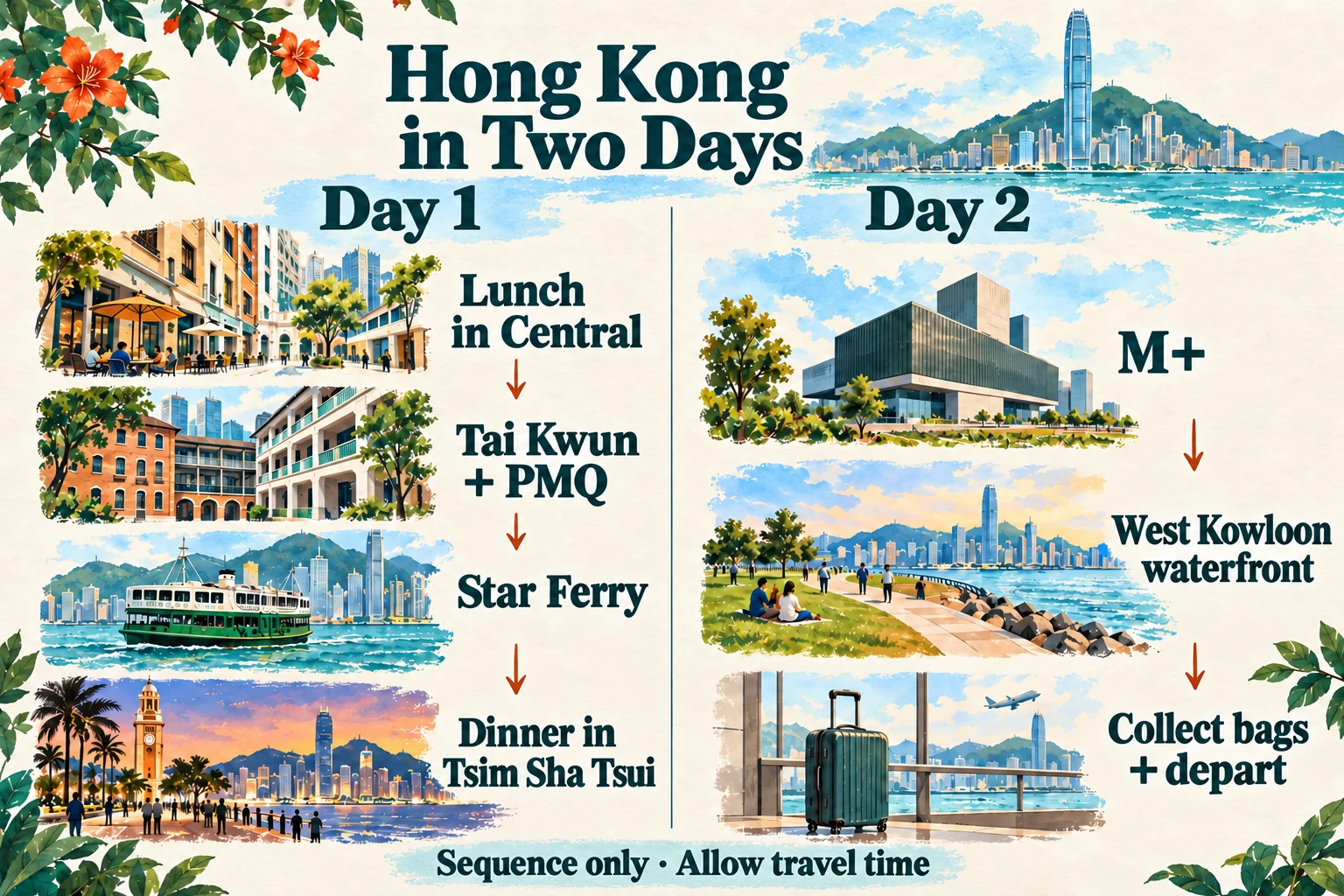
With only 45 minutes, retain the building history and one exhibit group, then continue with oral history online. If you also want a Central walk, use the Central, harbour and West Kowloon two-day itinerary as a starting point and replace one stop with this museum. Adding another 90 minutes without removing anything makes the original schedule less realistic.
Your pre-journey checklist
- Save 2 Caine Lane; Sundays start at 13:00, with Monday and specified holiday closures.
- Separate the 1906 laboratory and 1996 museum from the earlier epidemic history.
- Read an object’s name, date and purpose before guessing its operation or effects.
- Explore oral history on the official page, respecting personal perspectives and its terms of use.
- Confirm tickets, photography purpose, steps and entrances; contact the museum for assistance.
Sources & further reading
This article draws on the media coverage and public information below. Event and transport arrangements can change; check the latest details before travelling.
- Museum: the monument and laboratory historyhkmms.org.hk (Opens in a new tab)
- Museum: Modern Medicine II exhibitionhkmms.org.hk (Opens in a new tab)
- Museum: SARS oral-history archive selectionhkmms.org.hk (Opens in a new tab)
- Museum: hours, tickets, transport and photographyhkmms.org.hk (Opens in a new tab)
- HK01: online SARS oral history (2020 report)hk01.com (Opens in a new tab)
Make it your journey
Give yourself enough time to read the labels before connecting the visit to a meal, hotel or onward transfer. If someone finds stairs difficult, explain the actual requirement first and confirm suitable meeting points for both arrival and departure.