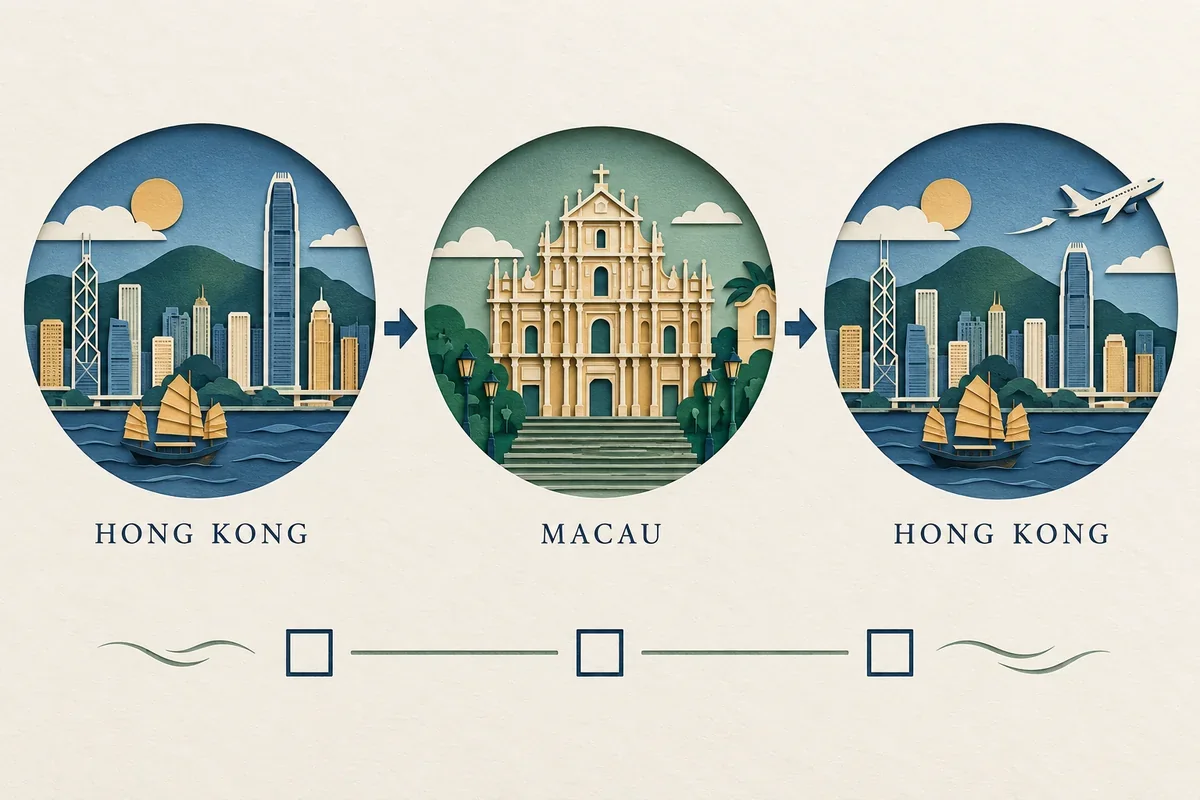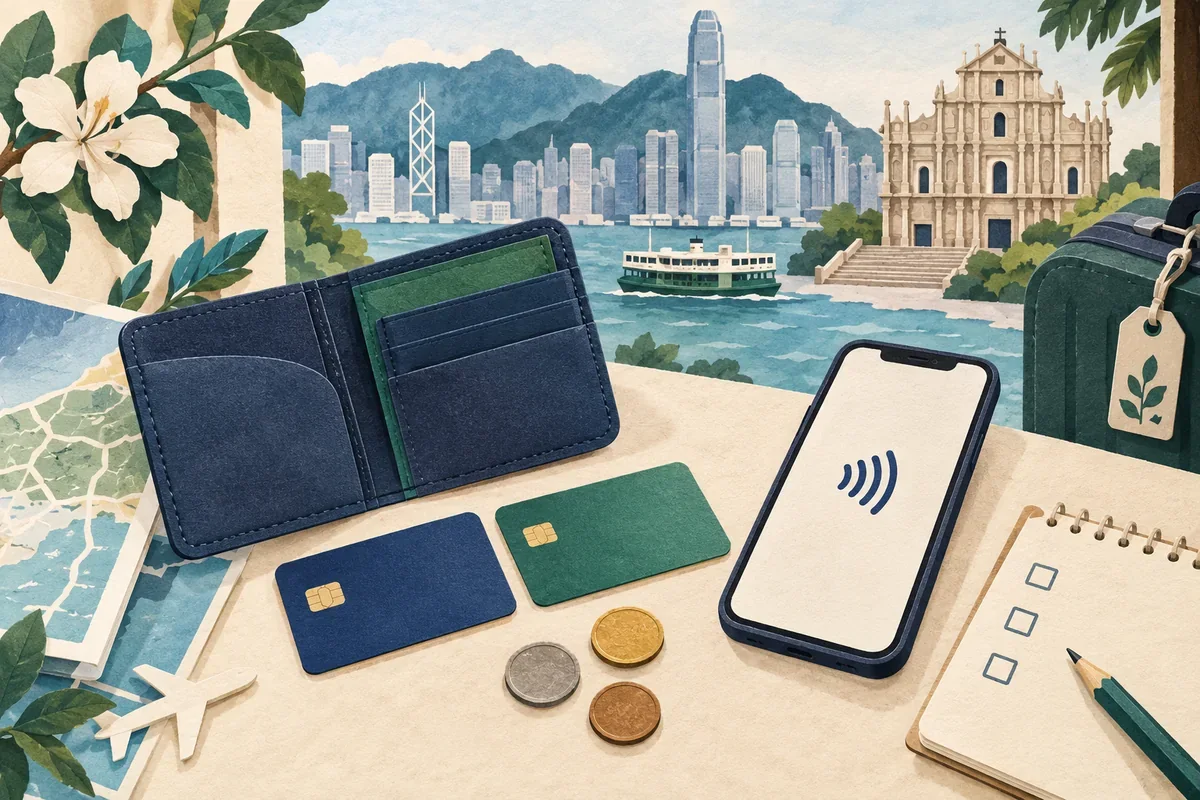
For a first trip covering both Hong Kong and Macau, prepare a bank card that you have confirmed works abroad, a little local cash, a mobile-data plan that explicitly covers both destinations, and a plug adapter suited to your charger. Having a payment app installed, buying a plan labelled “Greater Bay Area”, or finding that a plug fits is only part of the preparation. Check that each option will still work at your next stop.
Keep two ways to pay: a bank card for larger purchases and cash for small expenses
This guide is for independent travellers arriving from overseas for a short visit to Hong Kong and Macau. Information was checked on 15 October 2026.
Hong Kong uses the Hong Kong dollar, usually shown as HK$ or HKD. Macau uses the pataca, commonly marked MOP. Cards and digital wallets are widely accepted in both places, but that does not mean every business accepts your particular payment method. Before paying at a hotel, shop or restaurant, check the logos at the till and confirm that your card network or version of the wallet is supported. Hong Kong Tourism Board payment information; Macao Government Tourism Office currency and payment information.
Before leaving, use your bank's app to check overseas transaction settings, your available limit and how payments are authenticated. In particular, make sure you can still receive banking verification codes after switching to a travel SIM. Discovering that your usual phone number is inactive at hotel check-in is an avoidable complication. If a companion has another card, keep the cards separately so that losing one wallet does not remove every way to pay.
You need not exchange the entire trip's budget at once. Start with enough small-denomination cash for the first day's transport, a simple meal and unexpected expenses. The Hong Kong Tourism Board warns that businesses may refuse HK$500 and HK$1,000 notes. In Macau, if a shop accepts Hong Kong dollars, ask which currency it will charge in and which currency you will receive as change. The pataca is linked to the Hong Kong dollar, but this does not make equal face values an official one-for-one rate. Separate your remaining patacas from your Hong Kong cash before travelling on.
If a payment terminal offers a choice between local currency and your card's home currency, read the exchange rate, fees and final amount before comparing them with your bank's terms. Do not let someone rush you through an unfamiliar conversion option.
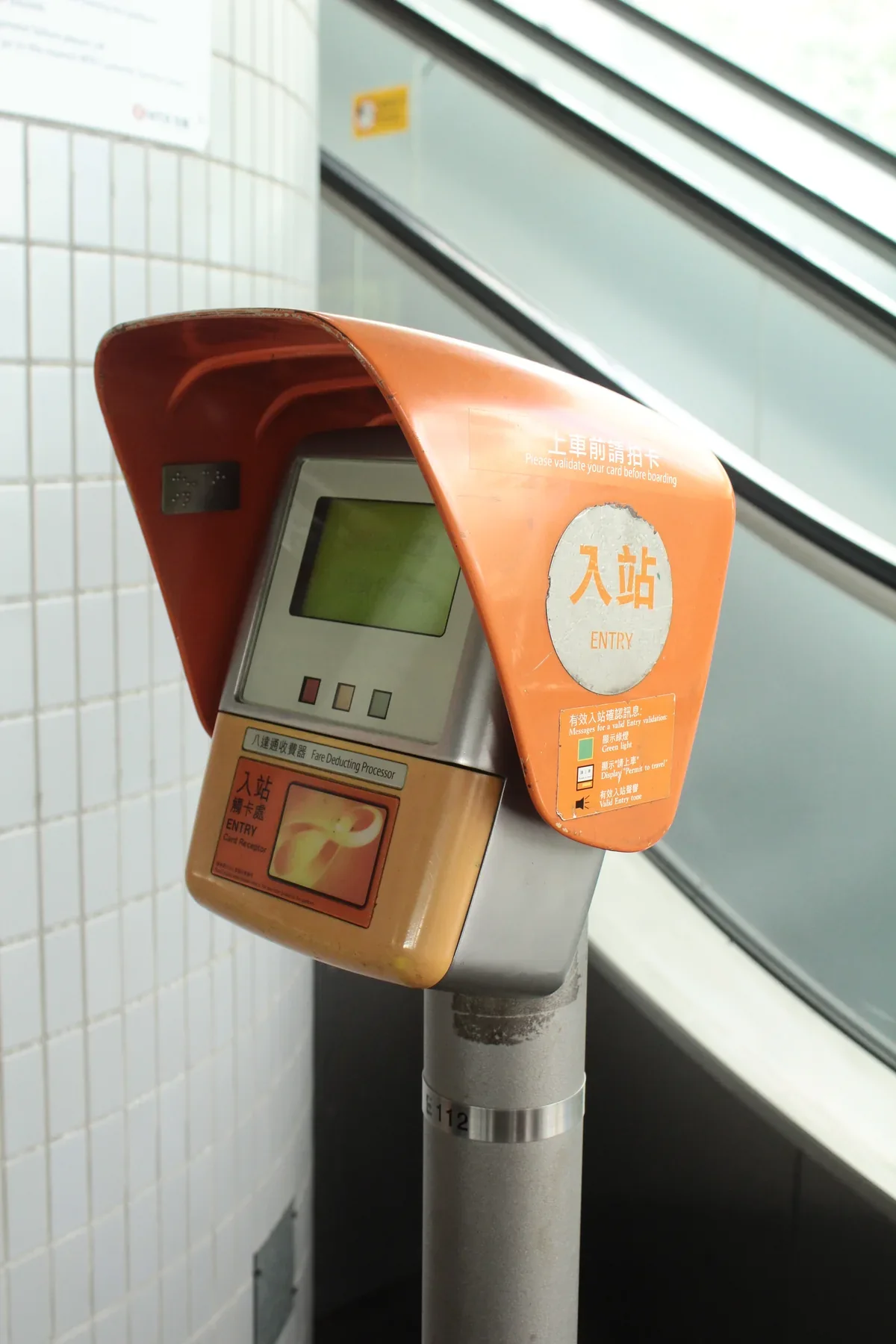
Using Octopus in Hong Kong: buying the card does not necessarily add travel credit
Octopus can simplify frequent journeys on Hong Kong public transport by reducing the need to buy individual tickets. Choose a physical or mobile version according to your device and convenient top-up methods. There is no need to rearrange all your phone accounts just to make this part of the trip digital.
One easily missed detail is that a sold tourist Octopus may have no initial stored value. The purchase price is not necessarily a balance available for fares. Octopus explains that physical cards can be topped up with cash at authorised service points. iPhone and Apple Watch users can use the tourist app with supported bank cards issued outside Hong Kong; the Huawei Wallet version has different arrangements. Instructions for one phone should not be assumed to work on every Android device. Octopus tourist usage guide.
When travelling as a group, each person should have a card appropriate to their age and eligibility, and keep a record of its number. Do not assume that one card can be tapped repeatedly to take the whole family through the gates: the official guidance says not to share an Octopus. Refund arrangements also differ between on-loan cards, sold cards and mobile versions. Check which product you are buying and leave time to deal with any remaining balance before departing Hong Kong.
Make a separate payment plan for Macau. Setting up a wallet successfully in Hong Kong does not establish that every form of transport in Macau will accept the same card or QR code.
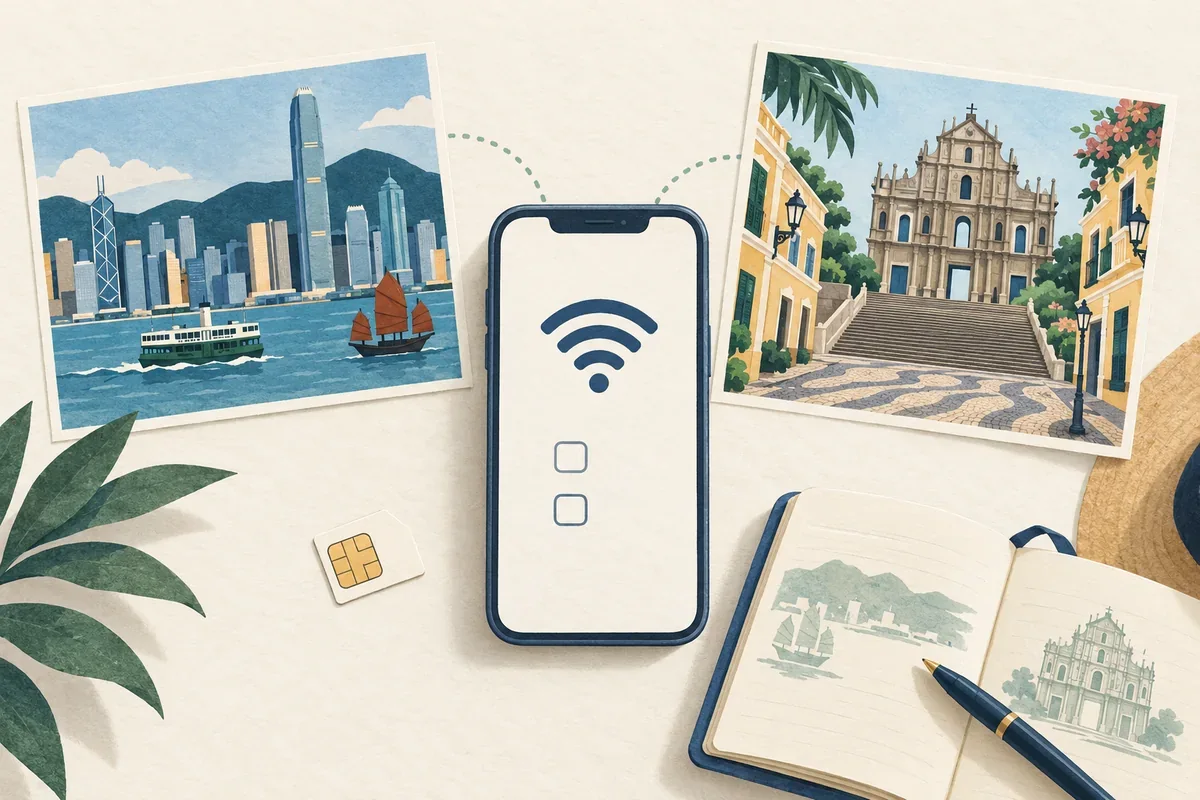
Check that mobile data covers both places before comparing the allowance
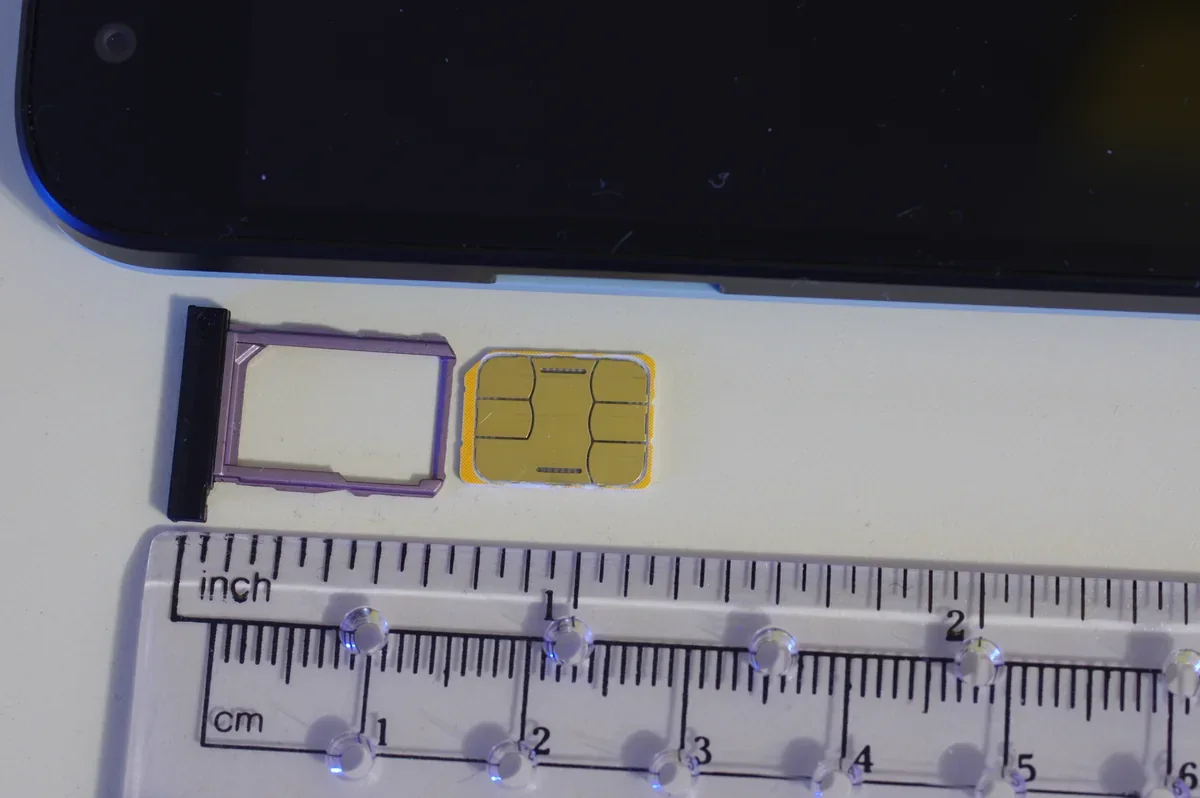
When choosing a travel SIM, eSIM or roaming package from your usual provider, list Hong Kong and Macau as two destinations. A plan that names only Hong Kong is not evidence of Macau coverage. Even with a regional package, open the coverage list and find both names. Then compare four practical details:
- When validity begins: at purchase, installation or the first network connection. Installing early should not unintentionally use up the days you need on the trip.
- How the allowance works: a total amount, a daily allowance, or slower speeds after a threshold. “Unlimited” does not automatically mean full speed throughout.
- Whether tethering is allowed: if one phone will connect the family, hotspot support may matter more than a headline maximum speed.
- Whether a local number and voice calls are included: a data-only product is not the same as a telephone number that can make local calls.
These are comparison points, not restrictions shared by every product. After buying, save screenshots of the coverage and activation instructions. For an eSIM, also check that your phone model and the version sold in your market support that specific product.
A SIM supplied by a Hong Kong local telecom provider must complete the provider's real-name registration process before activation. Visitors without a Hong Kong identity card should register with an accepted, valid identity or travel document and have the original available. Avoid cards advertised as already registered in someone else's name. When buying in person, ask for help if needed, wait for confirmation of successful registration and actually open a map before leaving the counter. OFCA's SIM registration guidance.
If you reach Macau and the phone has a signal but no internet, first check which line is selected for mobile data. Then follow your travel provider's instructions for roaming settings. Do not simply switch on data roaming for your usual number, which could use a service you have not bought. Ask your home provider in advance whether you can keep receiving text messages on that number and what charges may apply.
Hong Kong has public Wi-Fi, and Macau's FreeWiFi.MO hotspots can also supplement your connection. A usable hotspot may not be available outside your hotel, during a journey or while changing transport at a border checkpoint. Save your hotel's English and Chinese address, bookings and onward transport details for offline use. Hong Kong connectivity information; Macau's FreeWiFi.MO information.
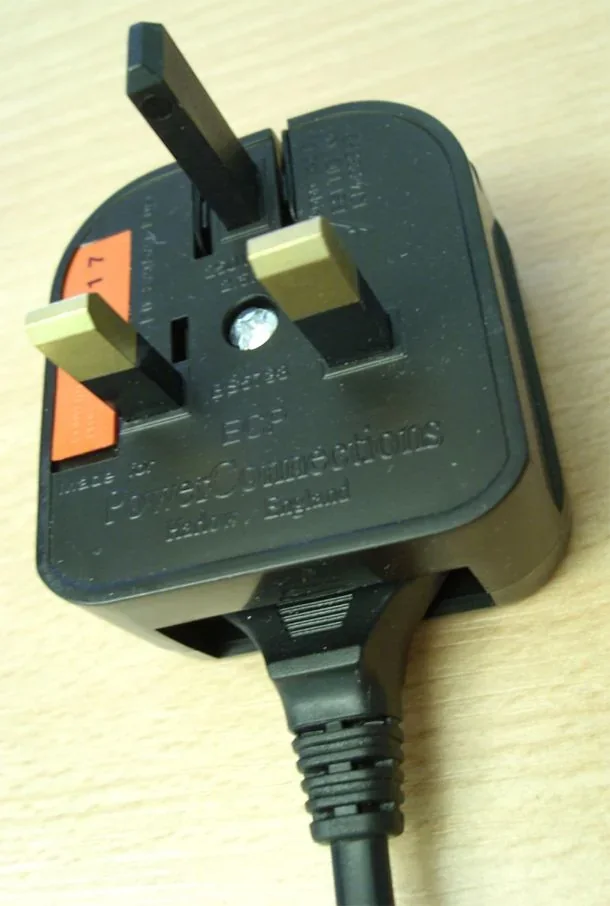
Read the charger's input label before choosing an adapter
Hong Kong's standard supply is 220V, 50Hz, with three rectangular-pin plugs. The Macao Government Tourism Office lists 230V, 50Hz for Macau and notes the use of square-pin or round-pin plug types. An adapter suitable for Hong Kong therefore does not replace checking the sockets at your Macau accommodation. Ask the hotel what sockets are provided and whether adapters can be borrowed. Hong Kong power information; Macau electricity information.
As you pack, read the Input label on phone, camera and laptop chargers. Confirm that the supported voltage and frequency cover the destination, then check the plug and adapter specifications. Changing a plug's shape and converting voltage are different tasks. Hong Kong's Electrical and Mechanical Services Department states that appliances rated below 200V, such as 110V devices, must not be connected directly to a 220V domestic supply. A hairdryer or curling iron that accepts only 110V does not become compatible merely because you attach an ordinary plug adapter. EMSD electrical safety guidance.
Before leaving, make one practical check: can you find your backup card, will the number used for bank verification remain available, does your data plan name both Hong Kong and Macau, and have you checked each charger's input? Taking care of those details lets you start the visit with a meal or a walk rather than a search for exchange counters, SIM shops and electrical accessories.
Your pre-journey checklist
- Check overseas card payments and access to bank verification codes; carry small-denomination cash.
- Confirm your Octopus version, stored balance and the card each traveller needs.
- Check that the data plan names both Hong Kong and Macau, and save activation steps and addresses offline.
- Read every charger’s input voltage and frequency, then check sockets at both stays.
Sources & further reading
This article draws on the media coverage and public information below. Event and transport arrangements can change; check the latest details before travelling.
- Hong Kong Tourism Board: traveller essentialsdiscoverhongkong.com (Opens in a new tab)
- Macao Government Tourism Office: practical informationmacaotourism.gov.mo (Opens in a new tab)
- Octopus: tourist usage guideoctopus.com.hk (Opens in a new tab)
- OFCA: real-name registration of SIM cardsofca.gov.hk (Opens in a new tab)
- Macao Government Tourism Office: communications and FreeWiFi.MOmacaotourism.gov.mo (Opens in a new tab)
- Macao Government Tourism Office: electricity and plugsmacaotourism.gov.mo (Opens in a new tab)
- Hong Kong EMSD: electrical safetyemsd.gov.hk (Opens in a new tab)
Make it your journey
Prepare your payment, data and charging options alongside the first day’s transport. Saving the hotel address and next connection before you arrive leaves more of the visit for the places you came to see.