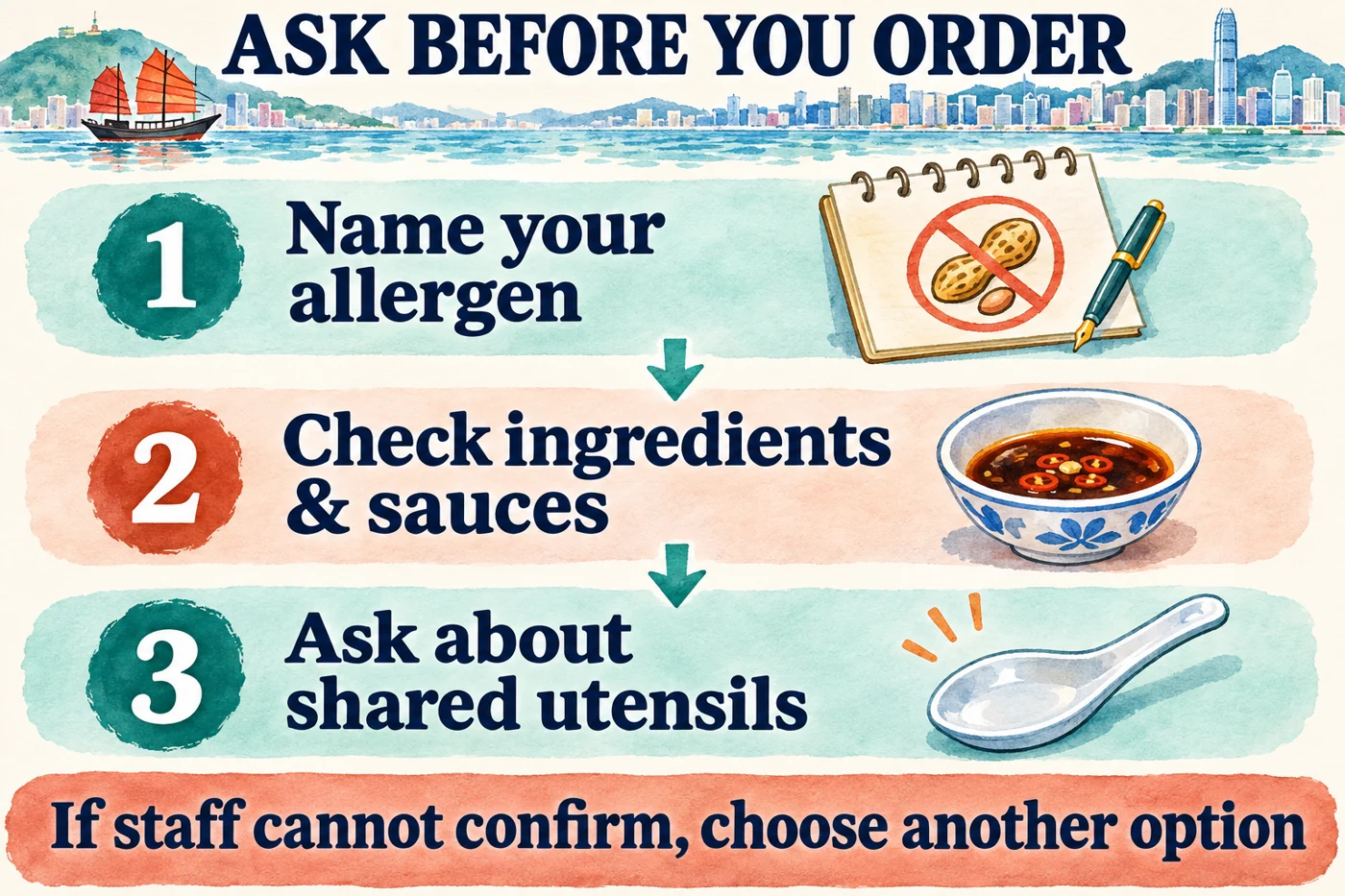
If you have a known food allergy, tell restaurant staff exactly what you must avoid before ordering in Hong Kong. Ask them to check ingredients, sauces and shared preparation tools with the kitchen. An ingredient missing from a dish name is not necessarily absent from the dish. Removing a visible topping does not undo previous contact. If staff cannot confirm the information you need, choose another dish or another place to eat rather than testing it with a bite.
Prepare a precise explanation before travelling
Write down the specific foods you need to avoid, based on your existing advice from healthcare professionals, and prepare Chinese and English versions that restaurant staff can read. Peanuts, tree nuts, fish and crustaceans are different terms. Do not shorten everything to “nuts” or “seafood” if doing so changes your actual requirements. Equally, do not expand or reduce your restrictions because of a travel article. Ask your own healthcare professional if you are unsure. This guide covers ordering and communication, not diagnosis or an individual treatment plan.
Keep the explanation on your phone and carry a paper copy for a noisy room or a flat battery. A useful starting sentence is: “I am allergic to [specific food]. Please check with the kitchen whether the ingredients, sauces or preparation equipment for this dish could involve it.” Fill in your own information rather than copying someone else’s allergy list. Translation software can help convey words; it cannot verify a kitchen’s recipe.
HK01’s food-allergy feature highlights advance communication and ingredients hidden in seasonings. Use that as a prompt to prepare, rather than treating examples from a media article as a personal diet. The relevant issue is what has already been established for you.
Ask about the sauce, stock and garnish as well as the main ingredient
The Centre for Food Safety’s allergen guidance gives examples that go beyond whole ingredients: shrimp paste can involve crustaceans, oyster sauce involves molluscs, soybeans may be present in fermented beans or soy sauce, and egg can appear in sauces or a glaze. These examples help identify questions to ask. They do not establish that every brand or restaurant uses an identical recipe.
For a plate described as stir-fried vegetables, checking that no prawns are visible is only part of the conversation: ask about seasoning and preparation too. A dessert photograph without nuts does not reveal everything in the base, filling or final decoration. Menu photographs show appearance, not a complete ingredient record. An English menu may make ordering easier, but language availability is separate from whether a dish meets your requirements.
| What to check | A practical question | What the answer does not automatically establish |
|---|---|---|
| Main and secondary ingredients | Does this dish, stock or filling contain my allergen? | Absence from the dish name does not mean absence from the recipe. |
| Sauces and seasonings | Can you check the actual sauce or its ingredient label? | Replacing one sauce does not settle all other preparation steps. |
| Preparation and serving | Could knives, pans, tongs or utensils contact the relevant food? | A separate serving plate does not prove separate preparation. |
| A requested alteration | Can the kitchen prepare it again, and which steps cannot avoid contact? | Removing a topping does not resolve earlier contact. |
“A little less” and “take it out” are not allergy instructions
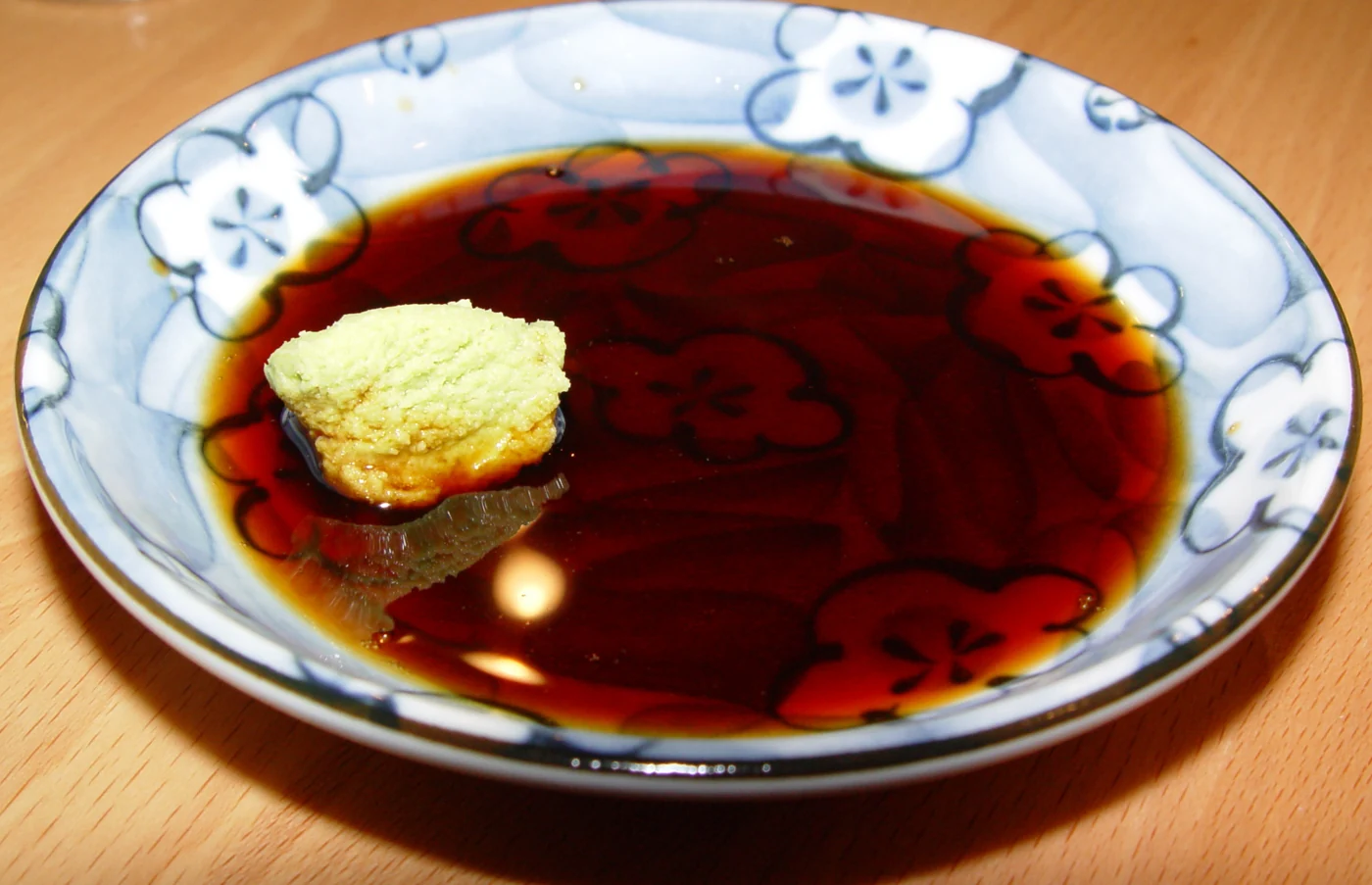
Keep taste preferences separate from allergy information. “I do not really like peanuts” or “less sauce, please” can sound like a flavour request. If the issue is an allergy, use that word directly and ask staff to check that the kitchen understands. A “less sauce” option on a digital ordering screen is not evidence that the relevant ingredients or equipment have been checked. A premixed filling or stock may not be something the kitchen can separate at the moment you order.
The CFS reminder published in October 2025 explains that hands and utensils can carry allergens from previous food preparation and advises diners to tell serving staff before ordering. A useful follow-up is therefore whether the equipment has contacted the food concerned, rather than asking only whether it will be added to the final plate.

Discuss shared dishes with your companions as well. If one person is explaining a child’s requirements, let that person coordinate the conversation instead of having several relatives make conflicting alterations. When food arrives, confirm which plate has been prepared for you. If its identity or preparation is unclear, ask staff again before eating. Avoid swapping spoons or tongs between unidentified dishes or moving decorations from another plate. This is a communication plan, not a guarantee that any restaurant can eliminate contact.
If the kitchen cannot confirm, change the plan
Staff may be unable to establish every ingredient in a processed product, or the kitchen may be unable to offer an arrangement suitable for your situation. Answers such as “probably not” or “nobody usually complains” warrant clarification; they should not be translated into a definite assurance. If the information remains uncertain, you can decline the dish or move to another restaurant. Leaving time for that decision is easier than making it when you are about to miss a ferry or transfer.
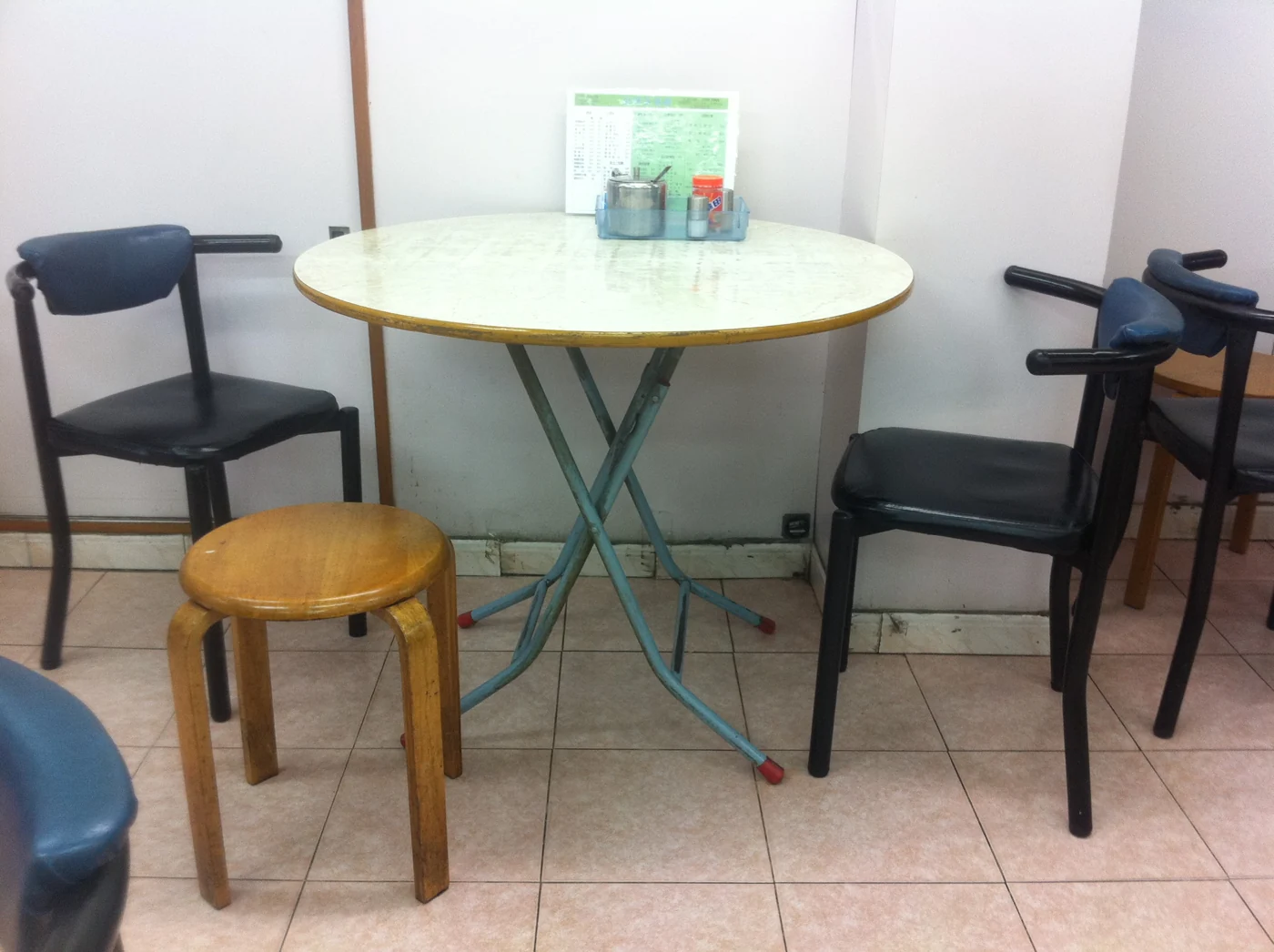
Reputation, price, chain size and an English menu do not independently establish that a restaurant can accommodate an individual allergy. The historical café photograph here illustrates a Hong Kong dining setting. It is neither a recommendation list nor a judgement about that venue’s current ingredients, training or hygiene. Even when you receive a helpful answer at booking, check it against the dishes you actually order on the day.
Read the current label when buying packaged food
If you prepare food to carry with you, read the ingredients and relevant warnings on the particular packet you are buying. Do not rely only on the brand, packaging colour or having eaten a similarly named product before. CFS advises checking ingredient lists and “may contain” statements. A printed label and a restaurant conversation are different sources of information; one does not substitute for the other.
A photograph can help you enlarge small print, but photograph the complete label rather than just the front. If you cannot understand it or a sticker obscures it, ask for assistance. When you still cannot confirm the necessary information, choose another item with clearer information that fits your established restrictions. Carrying food also does not automatically give permission to eat it inside a restaurant; ask the venue in advance. A product labelled as a children’s snack still needs the same individual check by the responsible adult.
Build confirmation time and an alternative into the itinerary
When deciding which district to explore, contact a possible restaurant nearby, explain the allergy and ask whether it can check the specific dishes you are considering. Note the date, branch and food discussed. An old reply from a different branch should not become the basis for a new meal. If the restaurant changes, restart the conversation. A name in your itinerary is useful for navigation, but does not replace the final discussion at the table.
Prepare your established personal emergency plan and any items your healthcare professional has advised you to carry, and make sure companions understand that plan. If swelling of the tongue, lips or face, breathing difficulties, or feeling unwell with a widespread rash occurs after eating, seek medical help immediately rather than waiting until sightseeing is over. The CFS guidance supports that urgent-help principle. Your own healthcare professional should advise on prescribed treatment and whether travel is appropriate for you.

If the journey involves bringing personal medicines into Hong Kong, check the separate medicine-entry requirements. A restaurant communication card does not replace medicine-import paperwork, and a transfer booking does not authorise the import of any food or medication.
Your pre-journey checklist
- Prepare accurate Chinese and English names for your established allergens, on a phone and paper.
- Ask about ingredients, sauces, stocks and shared tools before ordering, with confirmation from the kitchen.
- Do not treat removal of a topping, a menu photograph, reputation or previous experience as a guarantee.
- Change the dish or venue when the necessary information cannot be confirmed; companions should know your existing emergency plan.
- Read packaged-food labels each time and seek medical help promptly for significant symptoms.
Sources & further reading
This article draws on the media coverage and public information below. Event and transport arrangements can change; check the latest details before travelling.
Make it your journey
For Hong Kong and cross-border travel, use the quote form to provide your confirmed restaurant address and the meal time you want to allow. Discuss food suitability with the restaurant and medical questions with healthcare professionals; the transfer service coordinates the journey.