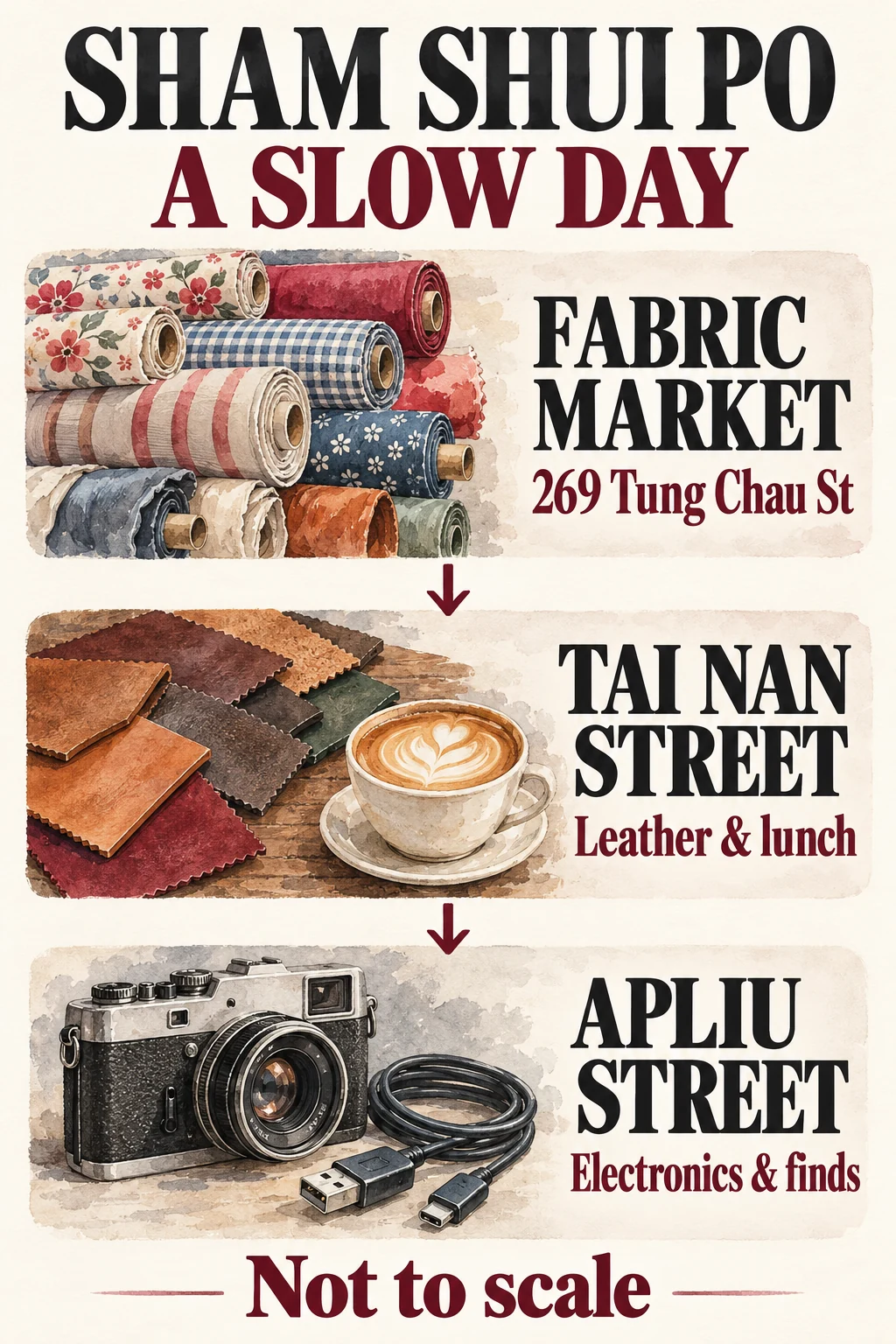
Sham Shui Po rewards a day built around one interest: fabric, leather goods or electronics. One useful sequence is the new fabric market on Tung Chau Street, lunch around Tai Nan Street, then Apliu Street. The fabric market moved in 2023: save 269 Tung Chau Street, rather than following an old guide to the Yen Chow Street bazaar. Three areas are enough; this need not become a checklist of every shopping street.
Choose an interest before choosing your first stop
This route suits independent visitors already in urban Hong Kong who enjoy walking and small shops. It is not an entirely air-conditioned mall itinerary, and the district has no single opening time. Budget roughly five to six hours including lunch for the fabric market, Tai Nan Street and Apliu Street. That is our suggested day, not a promise about trading hours. With only two or three hours, choose the two areas that interest you most.
The Michelin Guide’s neighbourhood feature brings together food, toys, textiles and older commercial streets. Their proximity is part of the attraction. Buying the most things is less interesting than seeing how the same district serves residents, makers and people looking for a particular component. Restaurant awards and business counts in an older feature should not be treated as current guarantees.
Start at the fabric market if materials are your priority. If textiles hold little interest, begin on Tai Nan Street and give the saved time to coffee or lunch. Electronics shoppers may prefer Apliu Street first, leaving enough time to test and compare instead of arriving in the last hour. The sequence below is a suggestion, not a route that must be completed in one direction.
First stop: take a project to the new fabric market
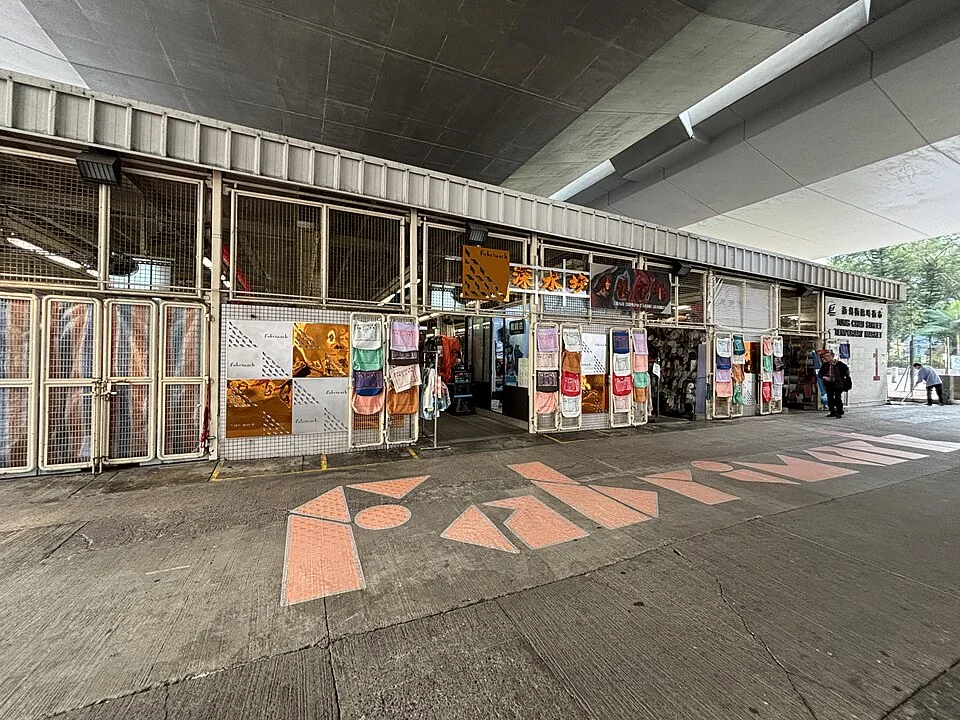
The Hong Kong Tourism Board locates the market at 269 Tung Chau Street, Sham Shui Po, Kowloon. It records the 2023 move from the former Yen Chow Street hawker bazaar, commonly called Pang Jai, to the Tung Chau Street Temporary Market. The old sheds and dense fabric rolls make memorable photographs, but those pictures cannot navigate you to a current shop entrance.
Arrive with realistic expectations. A 2025 on-site report by HK FEATURE describes fewer fabric businesses after the move and some operators developing custom orders and cultural activities. The old bazaar’s peak scale is not a reliable picture of today’s experience. Contact a particular shop about opening and stock if you are making a special journey for it. A neighbourhood visit does not need to end with a successful purchase to be worthwhile.
Before entering, decide whether you want material for a small bag, tablecloth or garment. Save dimensions or a pattern, and ask about fabric width, composition, weight, pricing units and the minimum purchase. A price by the yard, metre or piece has different implications; have the seller make the final quantity and unit clear. An attractive print is not necessarily right for your project. Confirm before cutting, and do not assume cut fabric has the same return arrangements as a sealed packaged item.
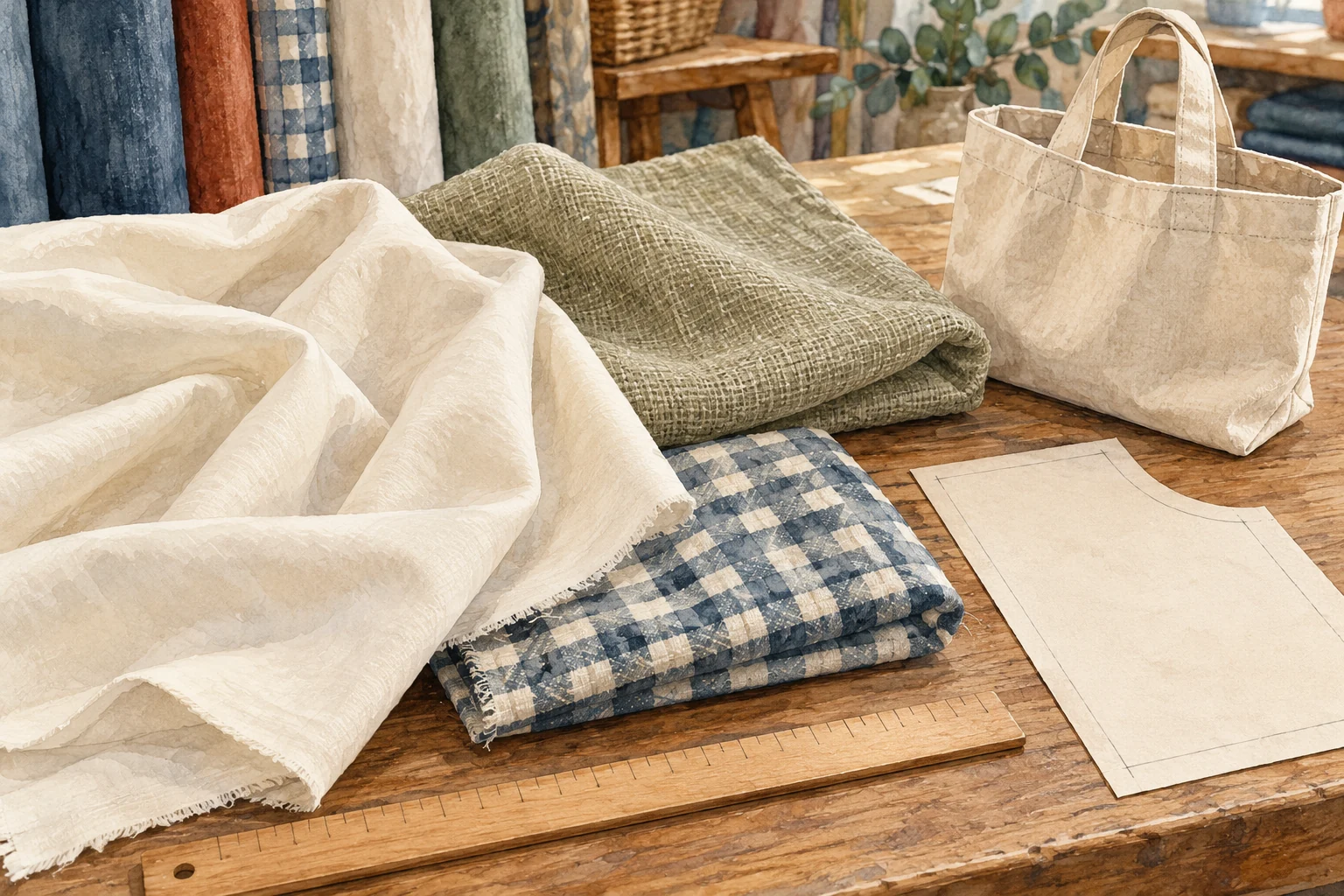
You can also browse without buying, noticing how rolls are arranged and how colour and texture affect a choice. Ask before photographing inside or handling fabric. Request help when a whole roll needs moving rather than turning a narrow aisle into a photo studio. A covered market does not make the later shop-to-shop walking weatherproof, so this is not a complete indoor fallback for a rainy day.
Tai Nan Street: follow materials into finished objects
From Tung Chau Street, use the actual address of your chosen Tai Nan Street shop to plan the next walk. It is a long street, so a street name alone is not a single destination. The tourism board’s Tai Nan Street guide describes its leather-trade background and the coexistence of materials businesses, design, craft and coffee spaces.
Here the question can change from “Which material do I want?” to “What can it become?” Look at thickness, edge finishing, stitching and fastenings, comparing a raw piece with a finished item. If staff are willing to explain, asking about intended use can be more informative than asking only for the lowest price. Do not assume every leather sample uses the same tanning process; confirm the material with its seller.
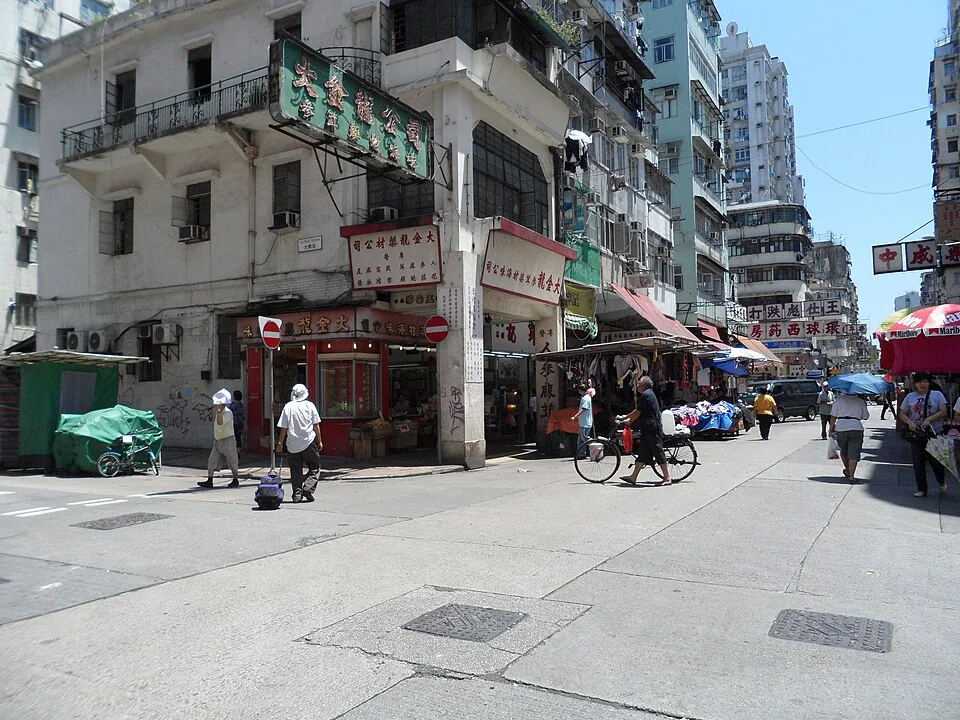
Some craft spaces require reservations, with different materials, teaching languages and session lengths. A visible workbench does not mean you can join immediately. If making an object matters, obtain a confirmed booking and let that class occupy the main part of a half-day, reducing other shopping. Ask the specific upstairs venue about stairs, lifts and toilets; a street photograph cannot establish access.
Make lunch a rest, not a series of queues
Choose an open place on or near Tai Nan Street and give everyone time to sit, drink water and organise bags. Noodles, congee, tofu desserts and coffee offer different kinds of stops around Sham Shui Po. There is no need to queue at every established name in one day. Anyone with allergies or dietary needs should ask staff about ingredients and possible changes rather than relying on a dish’s name.
A practical order is one proper meal first, then an optional snack. If a queue is long, agree how much time everyone is willing to spend before joining. Moving to somewhere with seats is often preferable to carrying on hungry. Older media lists offer leads; addresses, opening and the current menu need separate checks, and a photograph of a past award does not tell you when to arrive.
| Your main interest | Keep these parts | How to shorten the day |
|---|---|---|
| Textiles and design materials | New fabric market and Tai Nan Street | Browse Apliu Street briefly or leave it for another day |
| Coffee and neighbourhood shops | Tai Nan Street and lunch | Skip the fabric-market detour |
| Electronics and used cameras | Apliu Street with time to test | Shop there first rather than leaving purchases until the end |
| Limited walking stamina | One area and a seated meal | Omit upstairs spaces and extra shopping streets |
Apliu Street: check compatibility and condition before price
The tourism board’s Apliu Street page highlights electronics and unusual finds, from accessories and audio equipment to older cameras and objects. It is a place to browse and compare. Buying something here does not establish that it is the cheapest, new, original or suitable for use back home. Judge each item against your actual needs.
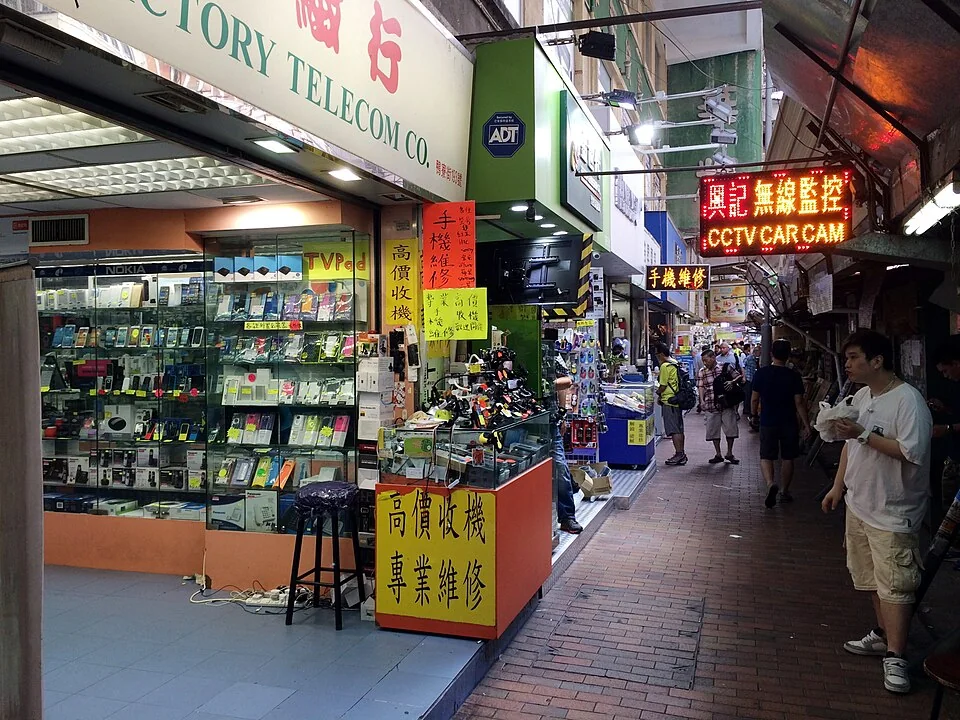
For a cable, identify both connectors, your device model and the intended job. For a used camera, establish what body and lens are included, whether you can test it, any known faults, the battery and charger, and who handles a warranty or return. If testing is impossible and you cannot assess the condition, walking away is an option. Ask for a receipt identifying the model, condition, accessories, price and agreed after-sales terms, and keep the shop’s contact details.

The illustration separates the body, lens, accessories and receipt to prompt questions. It is not a professional inspection procedure or a quality guarantee for used equipment. Electrical goods, batteries and chargers also need their rated specifications, destination compatibility and your next transport provider’s carriage rules checked. A low price is not a reason to ignore unreadable markings or visible damage.
If you only want to browse, notice the arrangement of older objects and the way shops and stalls share the street. Ask before close photographs of goods or people, and avoid obstructing a transaction or a narrow stall. Pedestrians, deliveries and junctions shape the pace. Put the phone away while crossing instead of trying to follow a navigation line without looking up.
Arrival, return and a shorter wet-weather plan
From urban Hong Kong, plan a journey to Sham Shui Po Station, then use the day’s map for the particular first shop. Starting at the new fabric market means entering the full address and allowing for the walk beyond the station. Ending around Apliu Street lets you check a nearby station entrance for the return. No single exit suits everyone: wheelchair and pushchair users, or anyone carrying purchases, should consult MTR’s accessible route information and actual streets rather than equating the shortest line with the easiest approach.
The three areas are principally a local walking visit, but these are working streets, not an enclosed pedestrian park. Bring a light bag, water and suitable shoes. Avoid bringing large checkout-day suitcases into narrow shops. If you buy a substantial amount of material, consider returning to the hotel before extending the day; carrying it changes every subsequent walk.
In heavy rain, retain a confirmed open venue where you can spend time, or a booked class, and remove the cross-neighbourhood sections. Market roofs alone are not a reason to insist on the original route. Check transport and business notices during severe weather, with our typhoon and rainstorm travel guide for wider adjustments.
If you would prefer a coastal day, choose the Stanley and Repulse Bay itinerary separately instead of squeezing both districts into one day.
Your pre-journey checklist
- Save 269 Tung Chau Street for the fabric market, not the former Yen Chow Street address.
- Choose one main interest and confirm important shops, reservations and exact addresses.
- For materials, specify the project, dimensions and units; for electronics, check compatibility, condition and written terms.
- Leave time for a seated lunch, and reduce the route for stamina, purchases or weather.
Sources & further reading
This article draws on the media coverage and public information below. Event and transport arrangements can change; check the latest details before travelling.
- Michelin Guide: Sham Shui Po neighbourhood ideasguide.michelin.com (Opens in a new tab)
- Hong Kong Tourism Board: fabric-market address and relocationdiscoverhongkong.com (Opens in a new tab)
- Hong Kong Tourism Board: Tai Nan Street leather and designdiscoverhongkong.com (Opens in a new tab)
- Hong Kong Tourism Board: Apliu Street electronics and findsdiscoverhongkong.com (Opens in a new tab)
- HK FEATURE: 2025 reporting on the relocated fabric markethkfeature.com (Opens in a new tab)
Make it your journey
Sham Shui Po is most rewarding when you look closely and ask useful questions. One or two things that fit your needs, or a neighbourhood you want to revisit, can make a complete day out.