Nan Lian Garden and Chi Lin Nunnery make a rewarding pair if you want a quiet cultural walk in Hong Kong. Allow 2.5–3 hours, plus transport and lunch: look at the garden's trees, rocks and water, then shift your attention to the nunnery's timber buildings and courtyards. This suits visitors happy to slow down. If children need active play, or you mainly want quick landmark photographs, shorten the visit to one place.
Two neighbouring places, two different schedules
Nan Lian Garden is at 60 Fung Tak Road in Diamond Hill, Kowloon. It is a roughly 3.5-hectare garden designed in the Tang style. Chi Lin Nunnery, at 5 Chi Lin Drive, is an active Buddhist religious site. They sit beside each other, but should not be treated as a single park with one closing time. The LCSD introduction highlights timber structures, unusual rocks and mature trees—three useful themes for the visit.
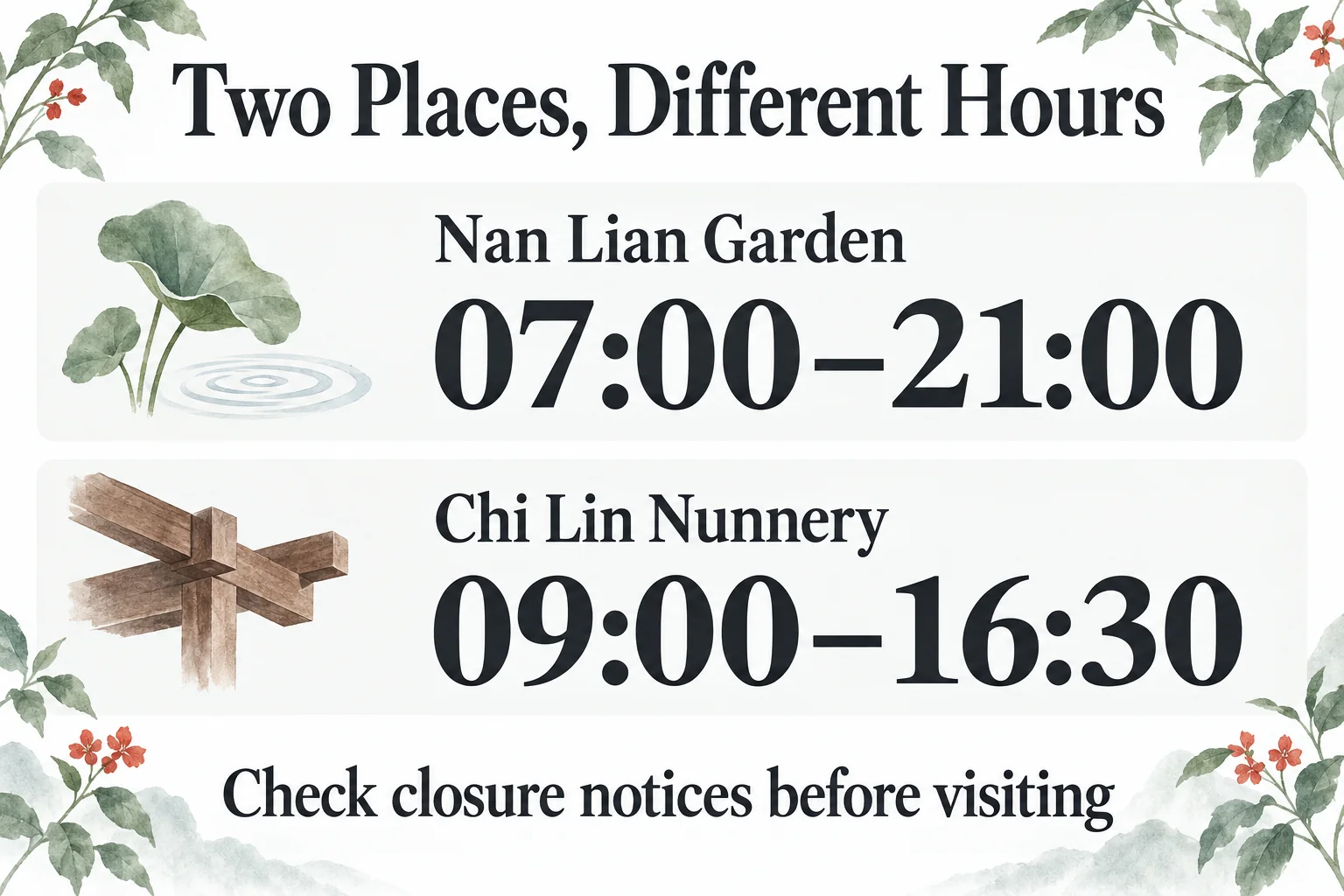
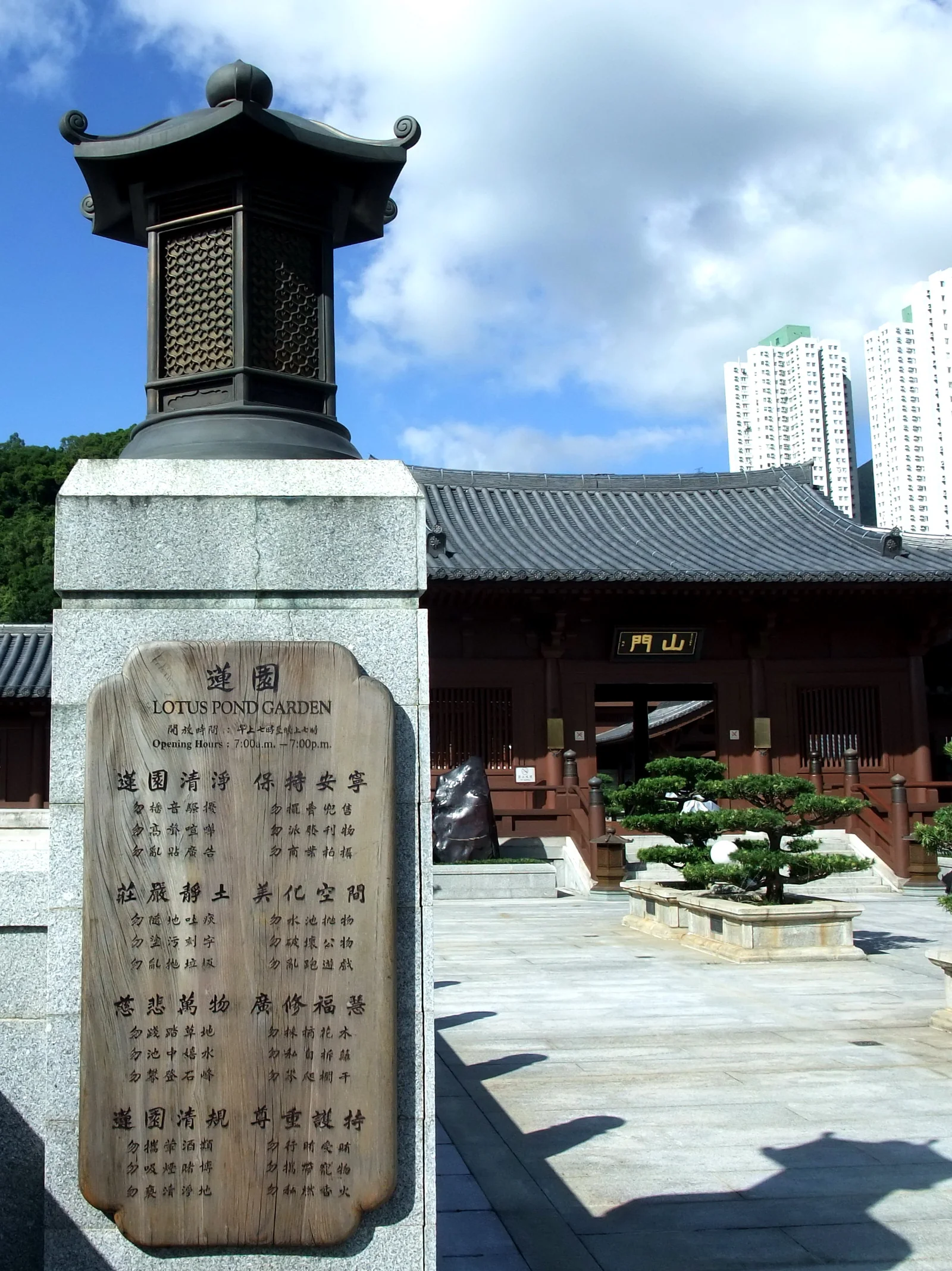
Checked on 15 October 2026, Nan Lian Garden opens daily 07:00–21:00, while Chi Lin Nunnery opens 09:00–16:30. The nunnery's Lotus Garden has separate hours of 07:00–19:00. Being able to enter a garden in the evening does not mean you can still visit the nunnery halls. Arrive in the morning if you want an unhurried look at both. Official visiting hours
Start at Diamond Hill and keep the journey simple
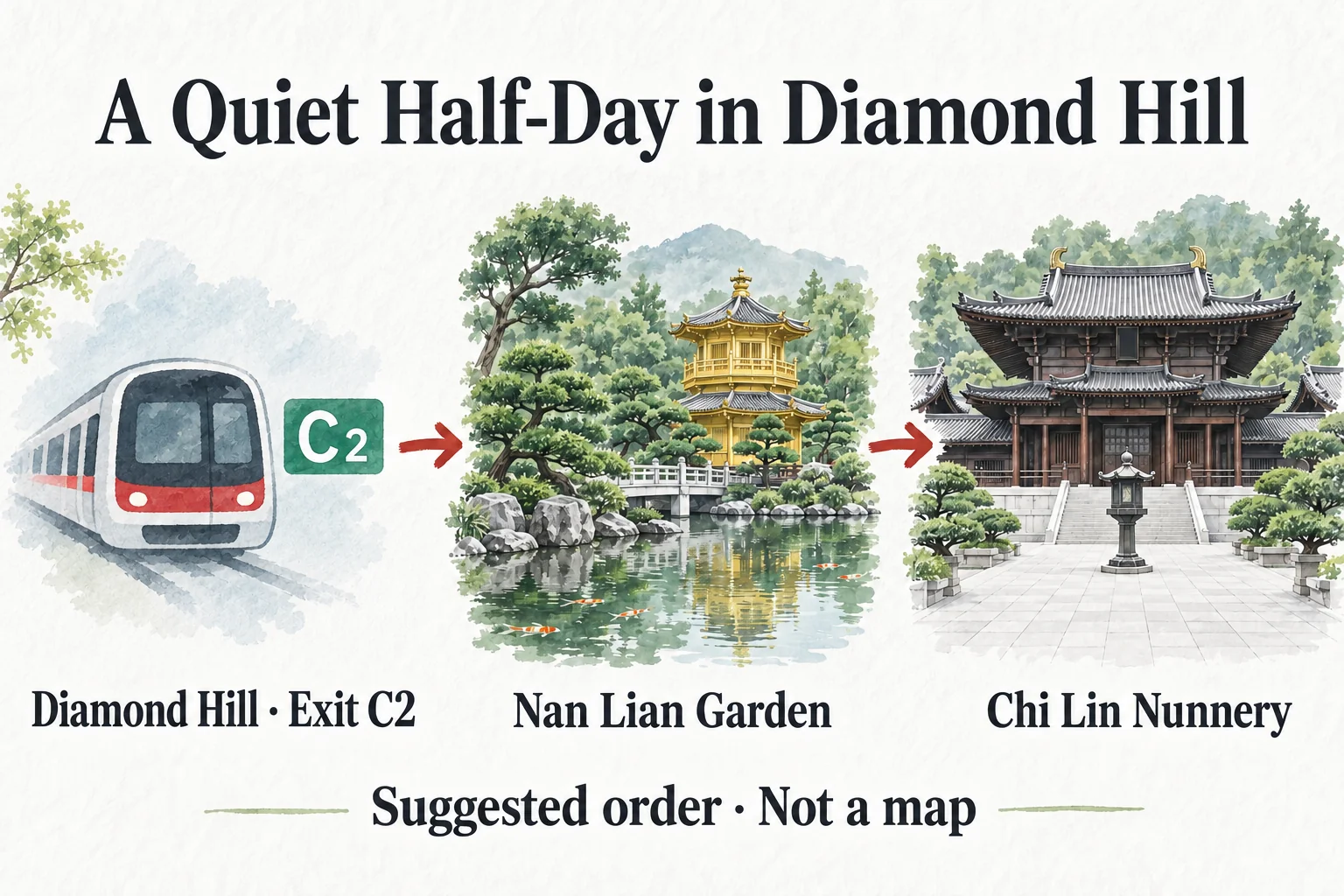
Take the MTR to Diamond Hill; the LCSD lists Exit C2 for the garden. Follow garden signs towards its Fung Tak Road entrance. C2 is a general walking reference, not a guarantee of a step-free route. Visitors using wheelchairs or avoiding stairs should separately check the MTR's accessible route and lift status for the day.
A useful suggested start is around 10:00. Allow roughly 60–75 minutes in the garden, 15–20 minutes for the connection and a short rest, and 45–60 minutes at the nunnery, with the remaining time left flexible. These are editorial allowances, not official visiting limits. Seeing the garden first and the earlier-closing nunnery second leaves lunch as a natural finish.
Look beyond the golden pavilion
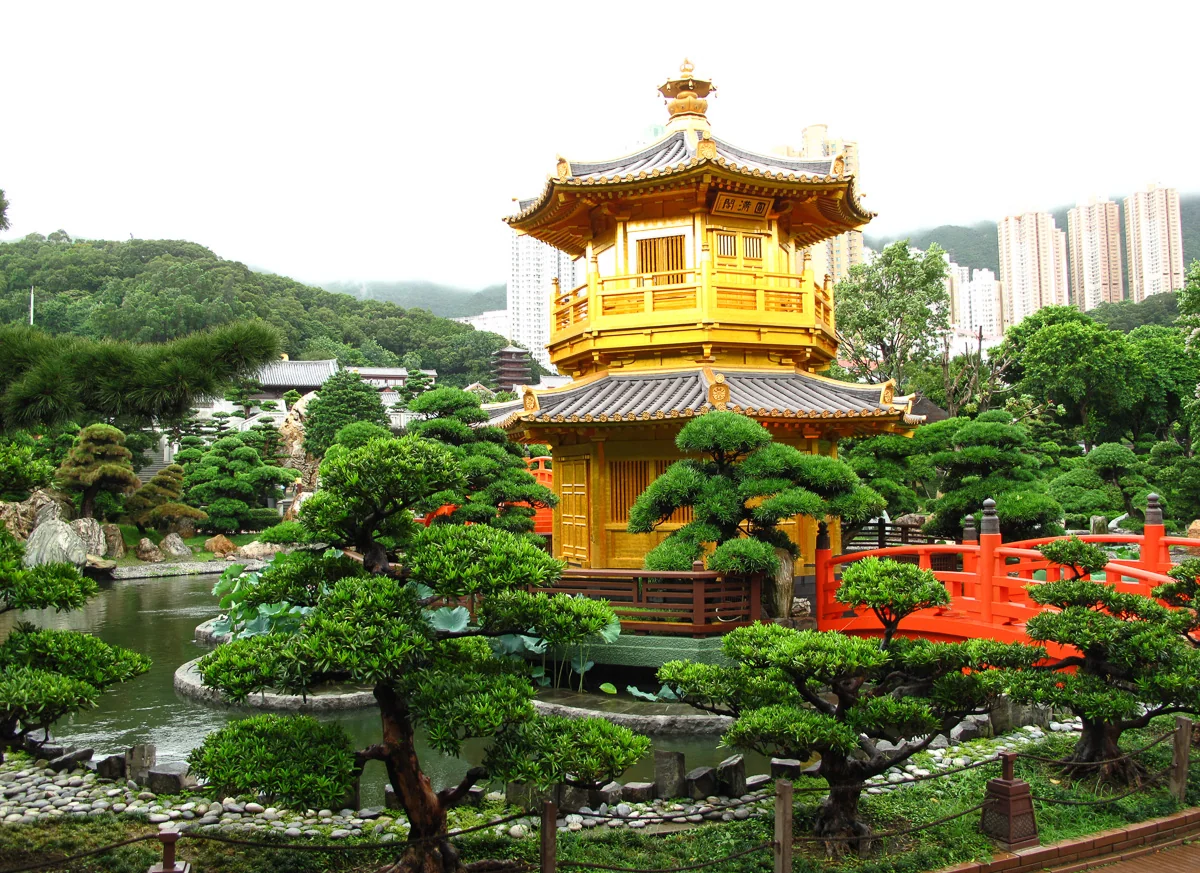
The golden pavilion and red bridges naturally draw the camera. Before taking your photograph, stop somewhere you will not block the path. Notice how a nearby branch partly conceals the view, how rocks divide the water, and how a roof emerges behind the trees. A few steps change those layers. That is a more engaging way to read a garden than hunting for one supposedly perfect photo position.
Give yourself three small tasks: follow the outline of one tree's trunk and branches, compare the heights and gaps within a group of rocks, and watch the water connect buildings with sky. You do not need to identify every species or invent a symbolic meaning for each stone. Follow the direction indicated on site and make room after photographing a busy viewpoint. Stay out of planted areas and do not lean on the trees.

This is a garden for appreciation rather than a picnic lawn. The LCSD's visitor FAQ confirms free admission, encourages a one-way viewing route and restricts eating to the designated food areas. The garden is smoke-free; wedding dresses, graduation gowns and similar costumes that disturb its atmosphere are also discouraged. With children, quietly searching for three different tree shapes can be more enjoyable than repeatedly asking them to pose.
Cross to the nunnery and change how you look
Follow the on-site signs over the pedestrian bridge linking the two areas. Read the notices at the bridge and entrance: signs visible in historical photographs do not replace today's instructions. Walking between these neighbouring places is more natural than arranging separate car journeys. If you need accessible entry, ask the venue about the appropriate entrance and route before setting out.
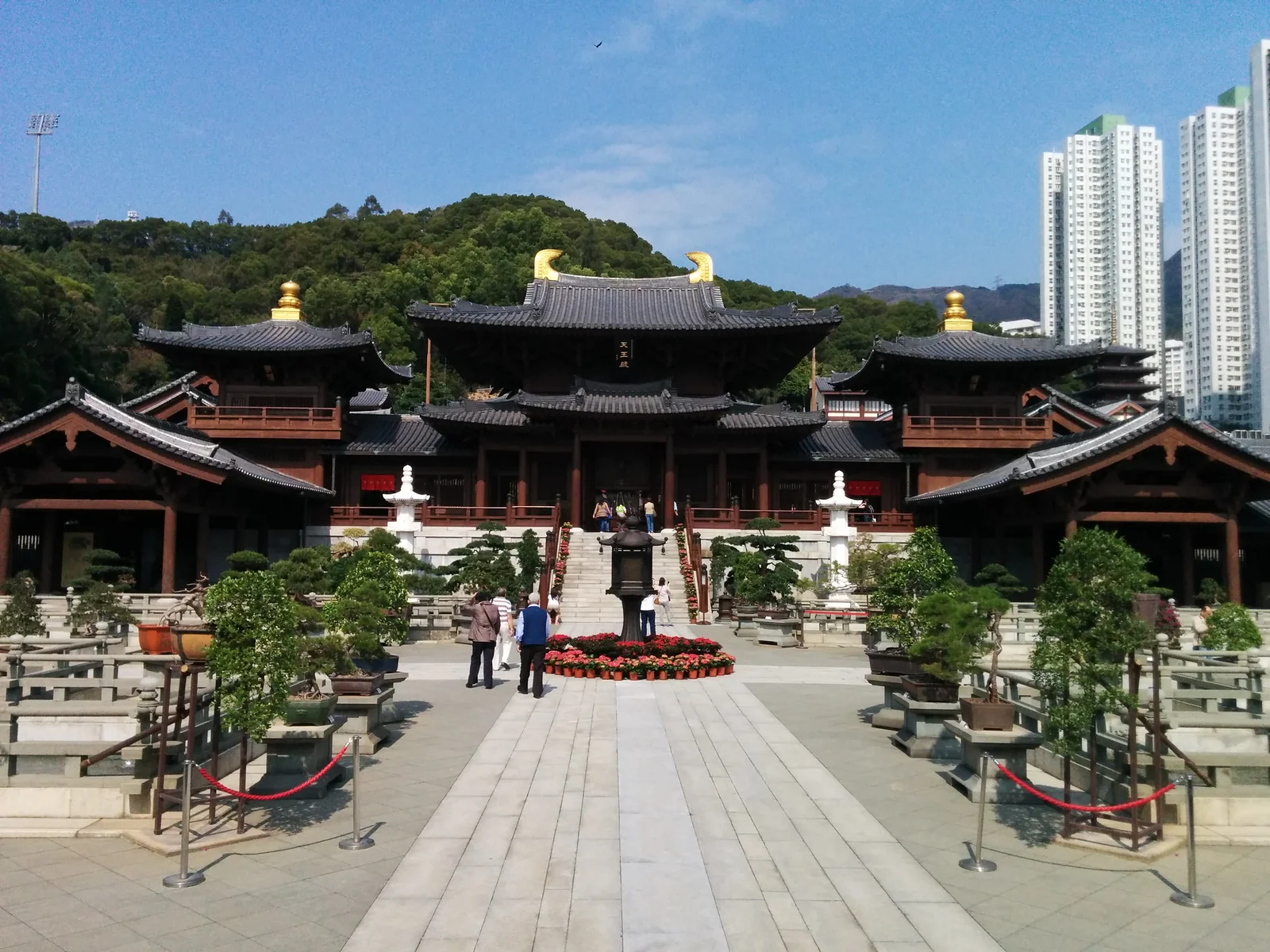
In the courtyard, start with the whole composition: the halls, covered corridors and open space, and the way repeating columns lead the eye towards the principal hall. Then look up at the shadows beneath the eaves, the layers of timber and the relationship between neighbouring roofs. No architectural vocabulary is required. Pick one detail you can recognise, then look back at the complete building.
Chi Lin's account of its development records its establishment in 1934 and the inauguration of the present Tang-style complex in 1998. “Tang-style” describes a design tradition; these are not surviving Hong Kong buildings from the Tang dynasty. Time Out's introduction likewise draws attention to the timber architecture and lotus ponds. On your visit, compare the garden's changing, partly concealed views with the nunnery's more ordered courtyards.
Treat it as a religious place
Lower your voice and make space when people are praying, chanting or attending a service. Follow the photography notices in each area: permission to photograph a courtyard does not imply permission inside a hall. Ask before photographing people, ceremonies or private spaces. Do not cross barriers, touch devotional objects or block an entrance for a picture.
Visitors with little interest in religious interiors can simply enjoy the courtyards and exterior architecture. With older companions, drop a stop before sacrificing every rest. With young children, you might visit the nunnery while they still have patience and shorten the garden afterwards. The sequence is flexible; considerate behaviour and comfort matter more than completing a timetable.
Lunch, rain and a sensible finish
The garden has vegetarian dining, a teahouse and snack facilities, but their hours differ from the garden's. The official information lists vegetarian lunch 12:00–15:00 on weekdays and 12:00–15:30 on weekends and public holidays; the teahouse runs 12:00–19:00. Confirm reservations and daily operation with the business if lunch is central to your plans. A restaurant's presence does not guarantee a table, and free garden admission does not include food or shopping. Dining hours and enquiries
In light rain, shorten the exposed water-garden section, use covered spaces only where open, and move lunch earlier. Prolonged heavy rain is a good reason to postpone an outing centred on outdoor viewing. Weather closures also differ: the official information says the nunnery closes at tropical cyclone warning Signal 3 or above, or during a Black Rainstorm Warning, while Nan Lian Garden closes at Signal 8 or above. Always check current notices; Signal 3 does not mean both sites will be open.
Afterwards, eat in the Diamond Hill area or return to your hotel. There is no need to add a chain of other temples just to fill the afternoon. Budget chiefly for local transport, meals and optional purchases. Central or West Kowloon can occupy a separate day; this visit works precisely because it offers a quieter pace.
Your pre-journey checklist
- Save Diamond Hill Exit C2 and both venue names; check accessible routes separately if needed.
- Plan around the nunnery's 16:30 closing time, not the garden's 21:00.
- Bring water, sun protection and rain cover; eat only in designated areas.
- Read photography and religious-site notices, and keep entrances clear.
- Check weather and temporary closure notices on the day.
Sources & further reading
This article draws on the media coverage and public information below. Event and transport arrangements can change; check the latest details before travelling.
- LCSD: Nan Lian Garden introduction and accesslcsd.gov.hk (Opens in a new tab)
- LCSD: Nan Lian Garden visitor FAQlcsd.gov.hk (Opens in a new tab)
- Chi Lin: visiting hours, dining and weather closuresen.chilin.org (Opens in a new tab)
- Chi Lin: foundation and development of the Tang-style complexen.chilin.org (Opens in a new tab)
- Time Out: Chi Lin Nunnery’s timber architecture and lotus pondstimeout.com (Opens in a new tab)
Make it your journey
Choose one thing to notice in the garden and one at the nunnery before deciding where to have lunch. Remembering a tree's shape or a line of eaves can be more rewarding than collecting ten similar photographs.