For a wheelchair journey on Hong Kong's MTR, the useful question is not simply whether a station has a lift. Check the entire route from street to concourse, through the gates and any interchange, onto the train and out at your destination. Facility listings show where equipment is located; MTR Care provides lift-maintenance information and portable-ramp booking; station staff coordinate the actual assistance. This guide uses official information checked on 25 November 2026.
Write down the whole journey, including the street outside
List the starting street, station entrance, line, interchange, destination exit and final street connection separately. One fewer interchange may be more manageable than travelling one fewer stop. That is a planning suggestion: compare the facilities you need and the destination's location before choosing.
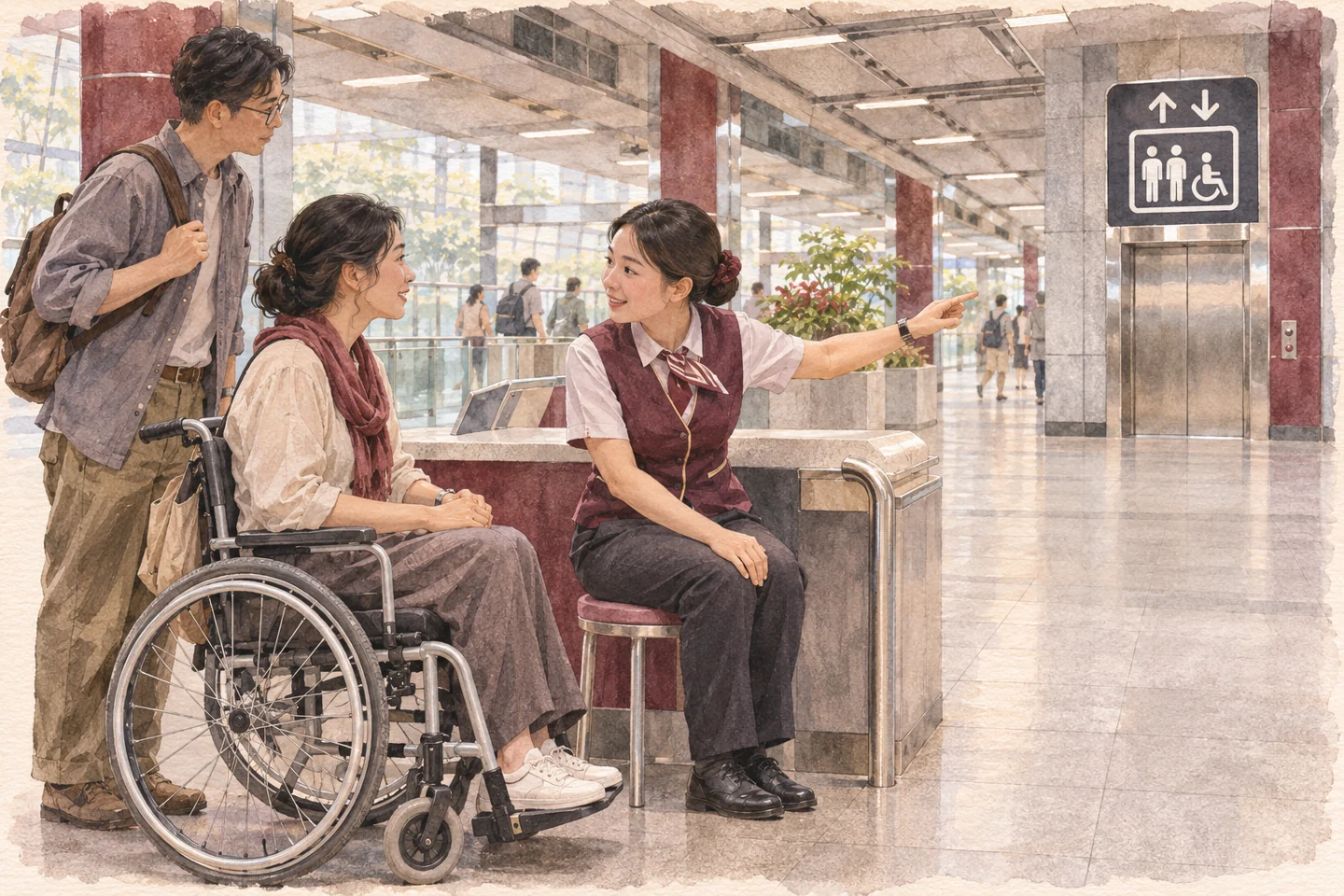
Saving the nearest exit alone is insufficient. One exit may have stairs while the lift is around another corner. Reaching the concourse also does not establish that you have found the lift to the correct platform. When requesting assistance, give the entry, interchange and destination stations together so staff can consider the complete journey.
If your hotel is beyond a footbridge, shopping centre or slope, ask it to confirm the step-free approach from your proposed station exit. Railway facilities cannot establish the suitability of streets, private mall connections or the hotel's doorway for your wheelchair. Allow for detours, waiting for lifts and meeting staff instead of using the shortest ordinary walking estimate.

Check both the facility listing and today's lift status
The MTR accessible-facilities search lists facilities by station, including lifts, stair lifts, wide gates, portable ramps and toilets. Use it to identify equipment and locations, then consult the real-time lift-maintenance information described on the official MTR Care page before travelling.
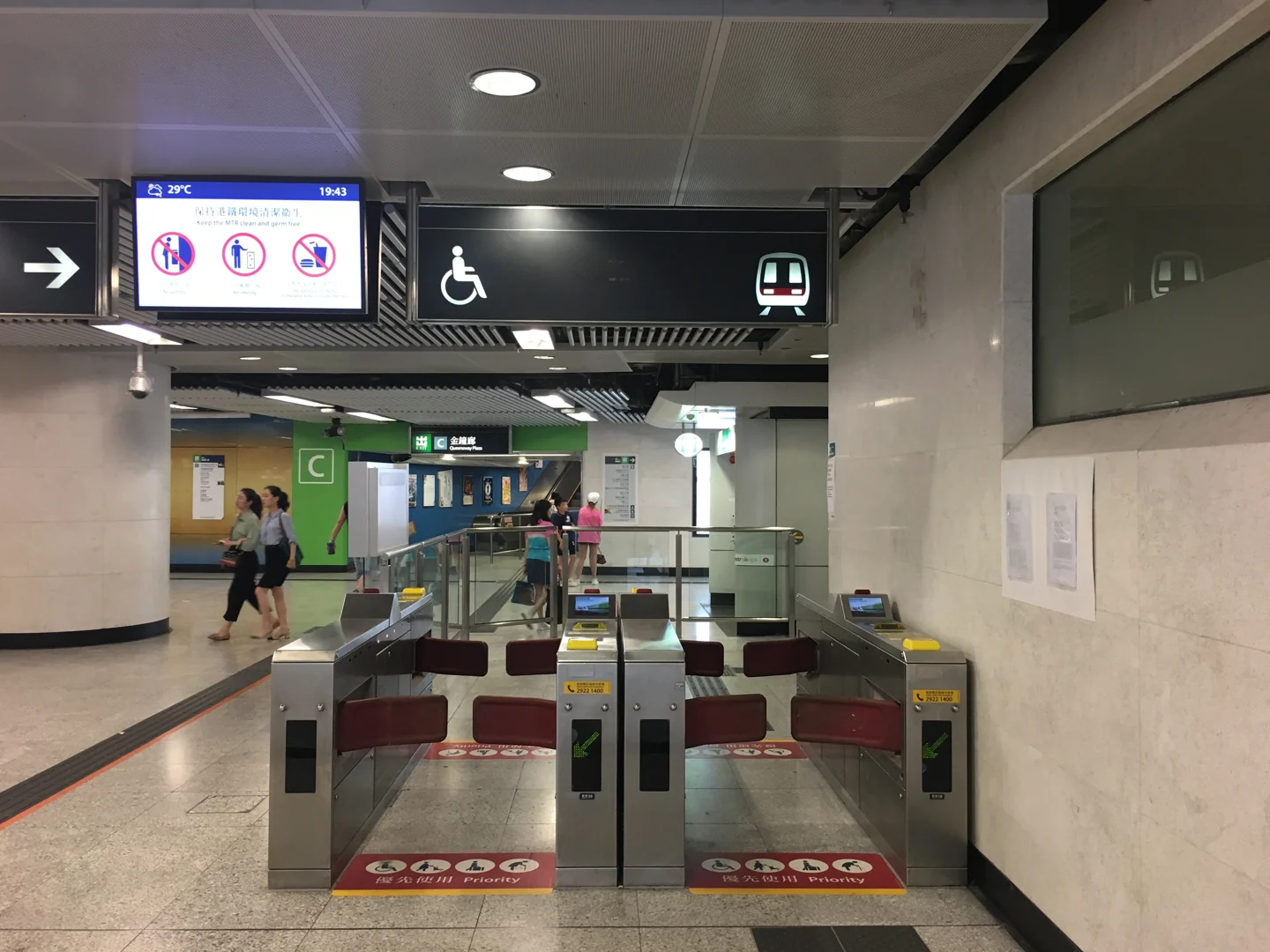
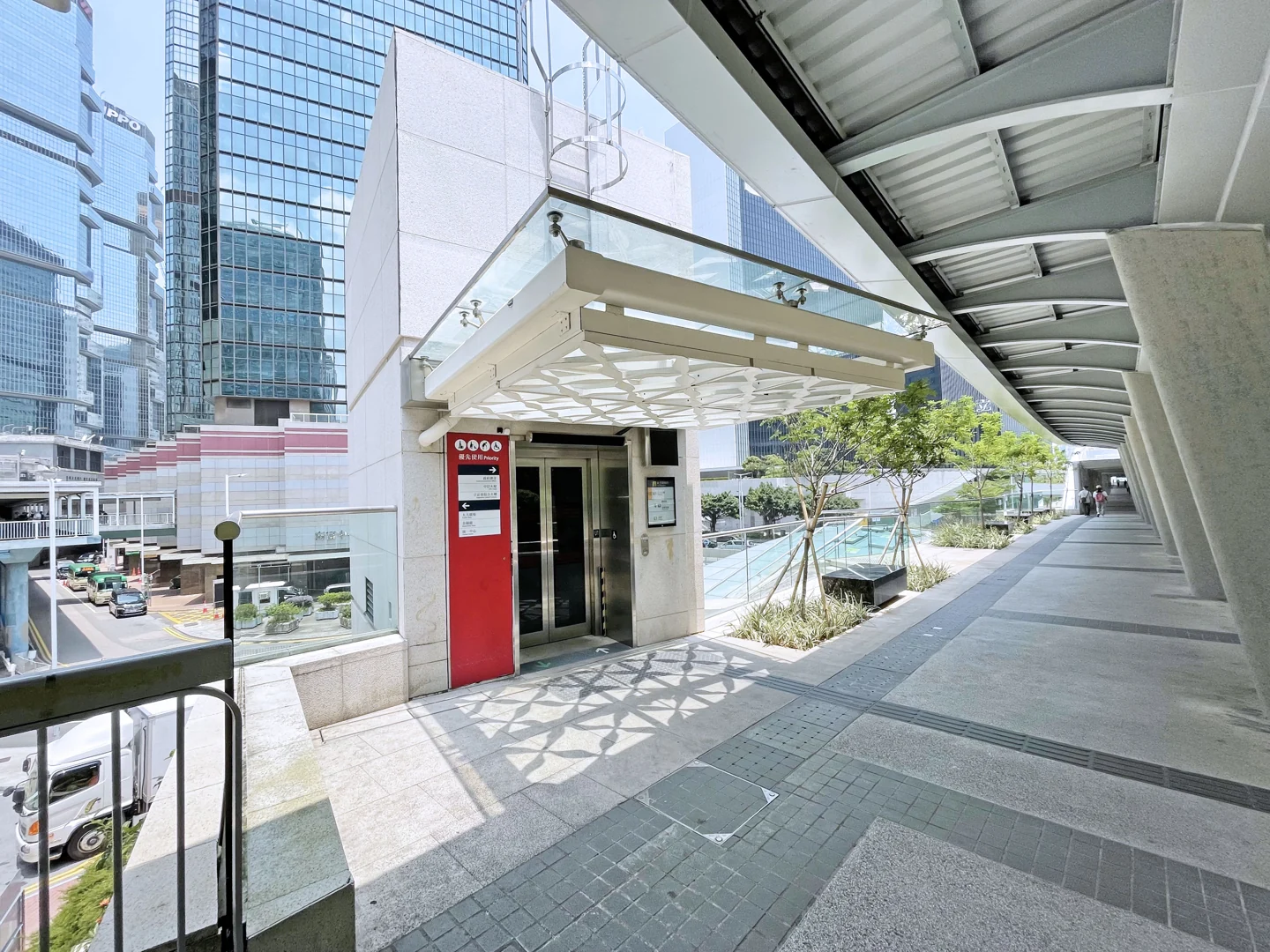
For example, the official listing checked for this guide places Central station's lift between street level and the unpaid concourse at Exit A. Admiralty's equivalent is at Exit E, with stair lifts separately listed at Exits A and D. Both stations also list paid-area lifts, wide gates and portable ramps. These examples describe installed facilities, not a guarantee that every device is available at every moment. A staff-operated stair lift should not be treated as an ordinary passenger lift that can be used without assistance.
| Part of the journey | What to establish |
|---|---|
| Street to concourse | Which exit to use and whether staff must operate equipment |
| Concourse to platform | Paid-area lifts, interchange passages and any further change of level |
| Equipment on the travel day | Whether the required lift is under maintenance and what alternative is usable |
| Final connection outside the station | Mall passages, road crossings and the destination entrance |
If a necessary lift is unavailable, ask staff about an alternative entrance or nearby station before moving the meeting point. A closer exit is not necessarily a usable alternative. Do not attempt to bridge a missing step-free connection by carrying a wheelchair onto an escalator.
A portable-ramp booking needs confirmation
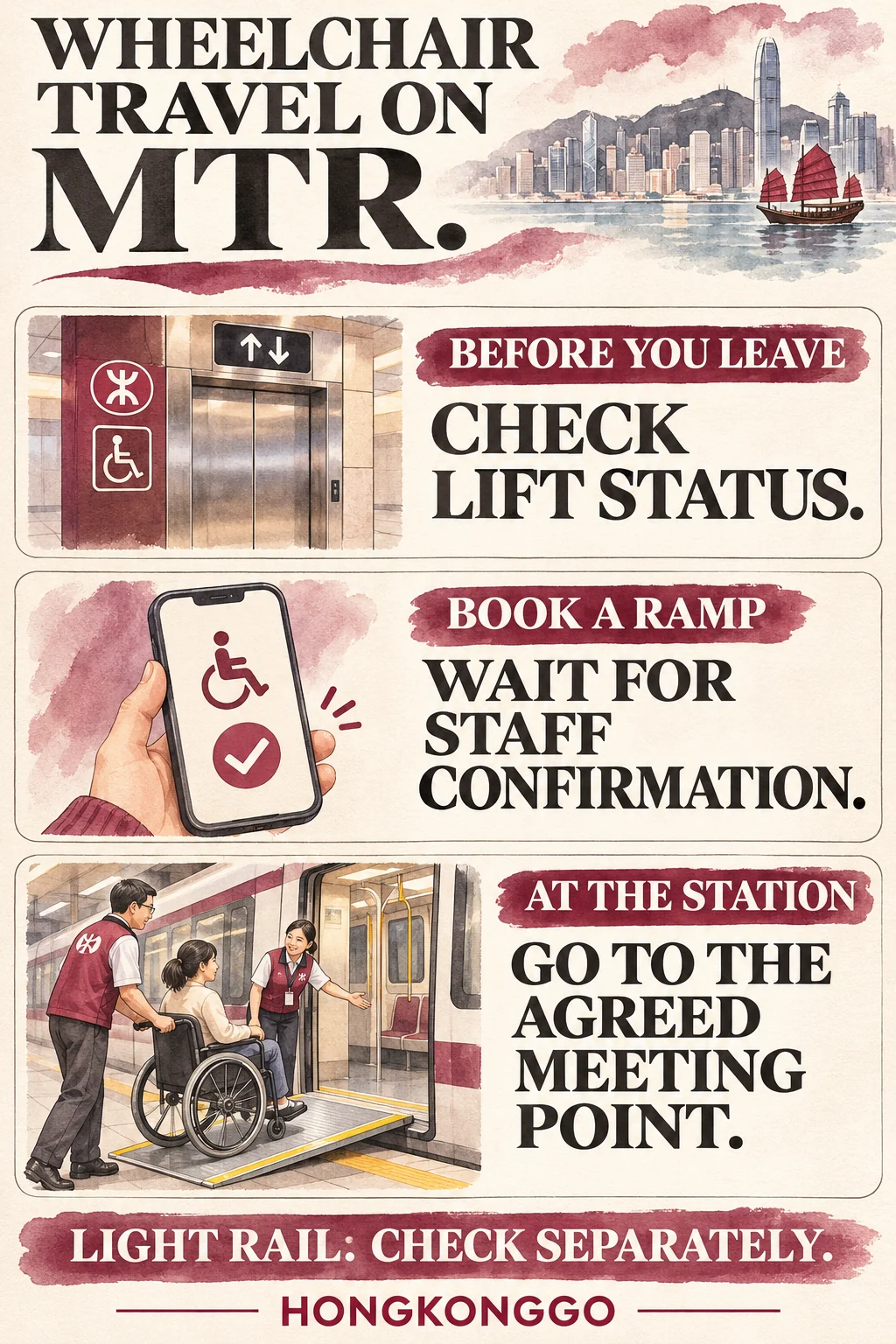
The current MTR Care page describes advance portable-ramp booking for wheelchair users or their carers. This feature requires registration. The process includes submitting journey details, receiving confirmation from station staff, arriving at the designated place at the booked time and notifying staff of arrival through the app so assistance can be arranged.
Distinguish submitting a request from receiving confirmation. Save the confirmed time, station and meeting location, and follow the app's or station's instructions if your journey changes. A screenshot of an unconfirmed request is not a boarding guarantee. The published information used here does not establish a universal 24-hour advance-booking rule, immediate availability at every time or a guaranteed waiting period.
HK01's 2024 report on extending the feature to all wheelchair users helps explain its development. Pilot participation figures and the number of stations trialling hearing-assistance features at that time do not define the wheelchair service's 2026 scope. Follow the current app and the arrangements confirmed by the station.
Without a confirmed booking, contact staff before boarding
The MTR service booklet currently linked from its accessibility page explains that staff can place a portable ramp between the platform and train for wheelchair boarding. They can also contact interchange or destination stations to arrange assistance on arrival. The booklet recommends calling the entry station before the journey when this help is needed; its portable-ramp provision covers MTR stations but excludes Light Rail stops.
If you have not used the app, cannot complete registration or discover that you need assistance after arriving, explain the situation to station staff and ask what can be arranged. An unbooked journey is not automatically prohibited, but the available assistance and waiting time need confirmation. MTR's public enquiry number is +852 2881 8888; settle the actual meeting and onward assistance with the relevant station.
Wait in a safe place on the platform and follow staff directions. Do not improvise a bridge, rush across the gap or try to board after the door-closing warning sounds. If you need to wait for the next train, companions should adjust their plans together rather than leaving the wheelchair user behind.
Space and positioning inside the train matter too
The booklet linked by MTR is its 2022 edition. Its assistance and safety guidance is useful, while historical station totals and train-formation figures should not be taken as a current network inventory. It advises wheelchair users to move at walking speed, use passenger lifts or stair lifts to change levels and never use escalators.
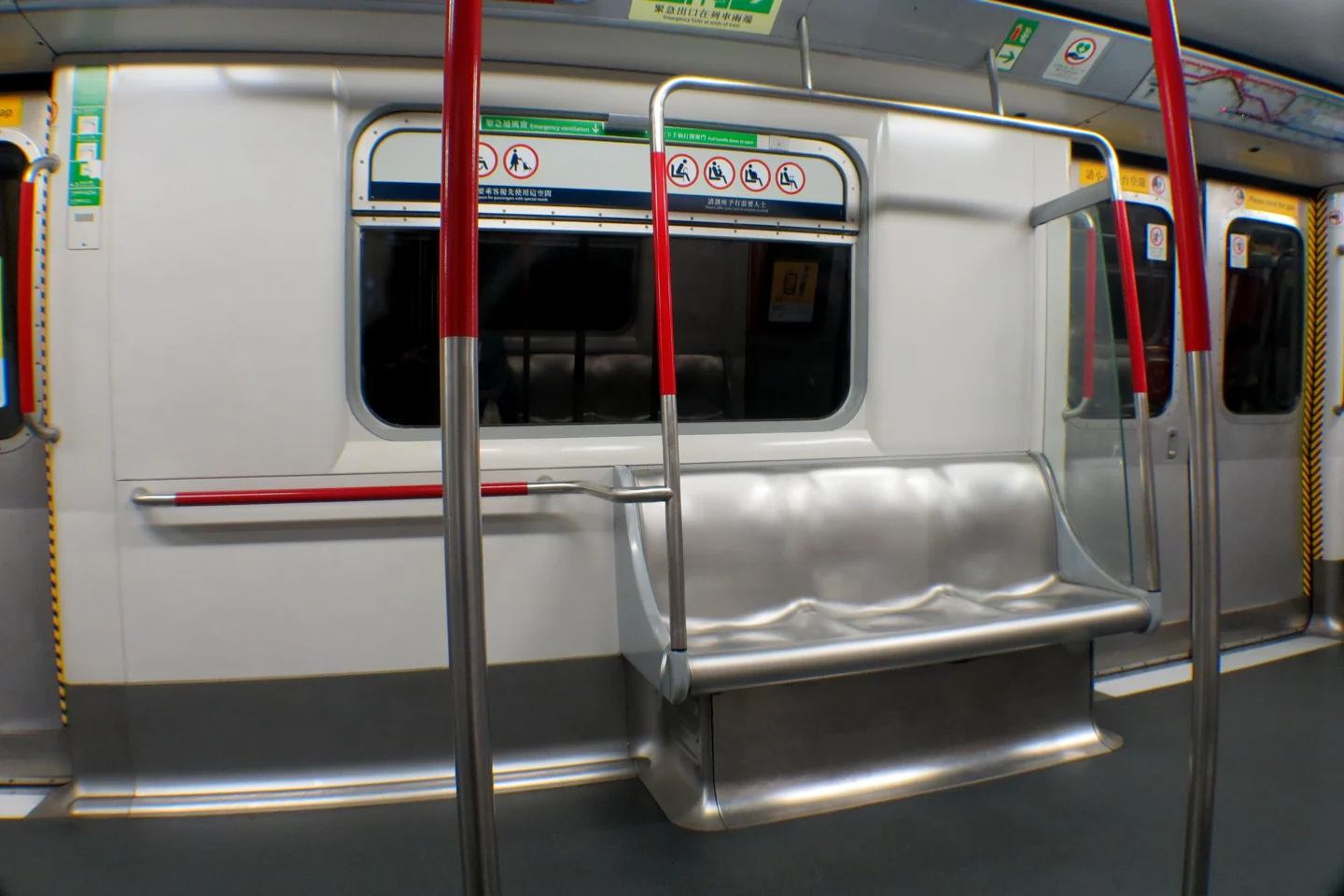
Follow staff directions to the multi-purpose area, apply the wheelchair's brakes and keep doorways clear. The booklet says to face the direction of travel inside MTR trains and hold the grab pole. For Light Rail, it specifies facing away from the direction of travel, staying close to the wheelchair crash pad and fastening the safety belt where one is provided. Follow the instructions and equipment for the actual vehicle; do not copy the arrangement for a different train type.
Wide gates and multi-purpose areas also help passengers with baby prams, but this does not establish identical eligibility or assistance arrangements for prams and wheelchair-ramp bookings. Families should first check the lift and wide-gate route. Ask staff about any additional help needed rather than assuming a wheelchair-ramp reservation applies to a pram.
Treat Light Rail, emergencies and uncertain routes separately
Check Light Rail independently. A portable ramp in an MTR station listing does not mean the same service operates at a Light Rail platform. Consult the facilities for the actual stop and staff instructions. The first-time Light Rail guide explains ordinary ticketing, boarding and validation; those procedures are separate from wheelchair assistance.
MTR Care also describes features for other passenger needs, including navigation support for visually impaired passengers and communication for hearing impaired passengers. Each has its own scope and registration conditions. A list of lines covered by one feature cannot establish the coverage of another. The hearing-assistance communication feature is described as non-emergency support. In an emergency, alert staff or use the station's or train's emergency communication equipment as instructed rather than waiting for an ordinary app enquiry.
If you cannot confirm a usable route throughout, consider fewer interchanges, another entrance or a later departure, and tell anyone meeting you about the change. For a road-vehicle alternative, establish wheelchair dimensions, whether the passenger must remain in the chair, whether a ramp or lift is required and what assistance the driver can provide. A seven-seat or luxury-vehicle description does not prove that a wheelchair can board directly.
For breaks and toilets along the way, consult the Hong Kong public-toilet and station-facility guide. Do not remove necessary rest time or squeeze every interchange to the shortest possible connection merely to reach another attraction.
Your pre-journey checklist
- Save the entry, interchange, exit and final street route, not just the nearest exit.
- Check installed facilities and current lift-maintenance information; confirm an alternative before changing route.
- Contact the station in advance when a ramp is needed; confirm the time and meeting place for an MTR Care booking.
- Report arrival, wait and board as instructed, and apply the wheelchair's brakes; do not use escalators or rush closing doors.
- Check Light Rail, pram assistance and emergency communication separately instead of transferring one feature's conditions to every situation.
Sources & further reading
This article draws on the media coverage and public information below. Event and transport arrangements can change; check the latest details before travelling.
- MTR: MTR Care facilities and bookingmtr.com.hk (Opens in a new tab)
- MTR: station accessibility searchmtr.com.hk (Opens in a new tab)
- MTR: Admiralty facilitiesmtr.com.hk (Opens in a new tab)
- MTR: services for passengers with special needsmtr.com.hk (Opens in a new tab)
- HK01: 2024 ramp-booking expansion backgroundhk01.com (Opens in a new tab)
Make it your journey
Break the journey into connections that can be confirmed, rather than relying only on distance on a map. Establish the facilities, assistance and time you need first, then arrange the places you want to visit that day.